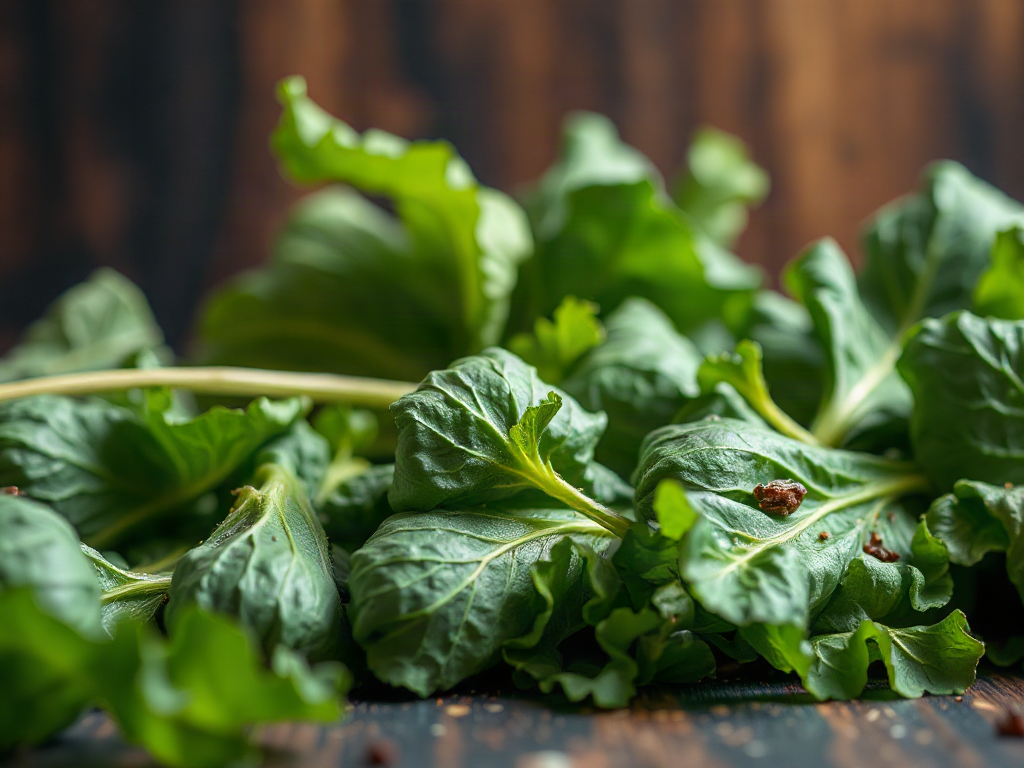
Organic leafy greens with crisp stems are best selected by checking firm ribs, clean cut ends, evenly colored leaves, cool surfaces, and an absence of slime or sour odor. A useful checklist also separates freshness from organic certification: the label describes how the crop was produced, not how recently it was harvested. Bok choy, chard, kale, romaine, and mature spinach should feel hydrated without appearing waterlogged. After purchase, keep them cold, limit trapped surface moisture, and delay washing until use unless the leaves are dried thoroughly before refrigeration.
What Makes Leafy-Green Stems Crisp?
Crisp stems indicate that plant cells are still holding enough water to remain firm under pressure. The ribs and stalks of leafy vegetables contain water-filled cells supported by structural fibers. When water is lost through evaporation, those cells lose internal pressure, and a stem that once snapped cleanly begins to bend or feel rubbery.
Stem texture is especially revealing in vegetables with substantial ribs or stalks. Bok choy has juicy white or pale green petioles, Swiss chard has broad colored stalks, and romaine lettuce has a rigid central rib. Kale stems are naturally tougher and more fibrous, so they should not be judged by the same juicy snap expected from bok choy. Mature spinach has thinner stems, making leaf resilience and clean cut ends more useful signals.
Temperature affects this texture quickly. Greens displayed under refrigeration generally retain moisture better than bunches left in warm, moving air. Fine mist may make a display look fresh, but surface droplets cannot reverse internal deterioration. A wilted bunch covered in water is still wilted, and excess water caught inside a bag may accelerate decay once the produce is taken home.
Organic status answers a different question. A certified organic label concerns production and handling requirements; it does not guarantee that a bunch is fresher, more nutritious, or crisper than a conventionally grown alternative. Harvest timing, transport, display temperature, handling, and storage determine much of the condition visible at purchase. Choose certified organic greens when that production method matches your preference, then assess each bunch on its physical quality.
Some softness is not automatically spoilage. A slightly limp leaf may result from brief moisture loss and can sometimes regain firmness after its cut end takes up cold water. Translucent tissue, spreading dark patches, slippery stems, or a fermented odor point toward breakdown rather than simple dehydration. The practical distinction is whether the vegetable has merely lost pressure or whether its tissue has begun to decay.
How Do You Check Freshness at the Store?
A reliable store check combines appearance, touch, and smell rather than relying on bright color alone. Packaging can hide the base of a bunch, while display lighting can make aging leaves appear more vivid. Examine the areas where deterioration usually appears first: cut ends, inner leaves, folded ribs, and places pressed against plastic.
- Test stem resistance. Gently press a thick rib or stalk. It should feel firm for its variety, not hollow, spongy, or rubbery.
- Inspect the cut ends. Favor ends that look moist and compact. Extensive browning, cracking, or dried fibers suggest prolonged water loss.
- Look between the leaves. Inner folds should be free of slime, collapsed tissue, and pooled liquid.
- Check color in context. Natural red chard stalks, dark lacinato kale, and pale bok choy ribs should look characteristic of the variety rather than uniformly bright.
- Notice the smell. Fresh greens usually smell mild and vegetal. Sour, musty, or fermented odors are reasons to choose another bunch.
- Assess the package. A small amount of humidity is normal, but heavy condensation and leaves stuck to the bag can indicate damaging moisture accumulation.
The order of those checks matters when shopping under time or budget constraints. Start with decay indicators, because trimming cannot reliably rescue a package affected by widespread slime or odor. Next, compare stem firmness and cut ends among similarly priced bunches. Cosmetic leaf tears or a few dry tips are lower-priority defects when the remaining tissue is sound and the greens will be cooked promptly.
A common mistake is squeezing or bending several stalks aggressively. That damages produce and provides little information beyond what light pressure can reveal. Another weak shortcut is selecting the largest bunch without considering usable yield. A smaller head of bok choy with intact stalks may provide more edible food than a larger one with crushed outer ribs and decayed inner leaves.
Match condition to the planned use. Exceptionally crisp romaine is valuable for a raw salad, where texture is central. Slightly wilted but otherwise sound chard may still work well in a soup or sauté if used that day. Do not use cooking as a justification for buying greens with slime, off odors, or extensive decay; heat changes texture but does not restore spoiled produce.
How Should Different Leafy Greens Compare?
Freshness looks different across leafy-green varieties, so one universal snap test can mislead shoppers. The best reference is the normal structure of the vegetable: succulent stems should feel juicy and dense, fibrous stems should feel rigid, and tender leaves should look resilient rather than leathery or water-soaked.
| Leafy green | Healthy stem or rib | Warning signs | Practical use |
|---|---|---|---|
| Bok choy | Dense, smooth, and juicy-looking | Translucent patches, splits with slime, or soft bases | Stir-fries, braises, and soups |
| Swiss chard | Firm, broad stalks with strong variety-appropriate color | Rubbery stalks, blackened edges, or sticky folds | Sauté stems before adding leaves |
| Romaine | Rigid central ribs and tightly held inner leaves | Rusty decay, pink-brown wet areas, or crushed hearts | Raw salads, wraps, or quick grilling |
| Kale | Rigid, fibrous stems and resilient blades | Yellowing across the bunch, limp stems, or musty odor | Massage for salads or cook longer |
| Mature spinach | Slender, flexible-firm stems with springy leaves | Dark wet spots, leaf clumping, or slippery surfaces | Quick sautés, soups, or raw dishes |
Texture also guides preparation. Chard stems take longer to soften than their leaves, so slicing the stalks and cooking them first produces a more even result. Bok choy can be separated into stems and leaves for the same reason. Kale stems may be finely sliced for a long-cooked dish, but removing them is often preferable for a tender salad. Treating every part as though it cooks at the same speed commonly produces either tough stems or overcooked leaves.
Color deserves careful interpretation. Yellowing can signal chlorophyll loss and age in green kale or spinach, but pale inner romaine leaves are normal because they receive less light. Red, orange, and yellow chard stems are varietal traits rather than freshness grades. Isolated discoloration from bruising may be trimmed, while expanding wet patches or discoloration paired with odor suggests deeper deterioration.
Precut greens require a different decision. They save washing, trimming, and chopping time, but their cut surfaces are more exposed and their condition is harder to assess through printed packaging. Check the use-by information, refrigeration, leaf separation, and amount of liquid in the bag. Whole heads or bunches usually offer more control over trimming and may retain texture longer, while a sound precut package can be practical when convenience will prevent unused produce from being discarded.
How Do You Store Greens Without Softening the Stems?
Cold storage with controlled humidity preserves stem firmness more effectively than either open-air refrigeration or sealing wet greens in plastic. Refrigerators remove moisture from exposed produce, yet fully trapped water encourages damaged leaves to become slippery. The goal is a humid environment around the greens without free water coating them.
Leave unwashed greens in their original breathable packaging when it is clean, intact, and not collecting condensation. For loose bunches, remove ties that crush the stems, discard badly damaged leaves, and place the produce in a container or partially closed bag with a dry paper towel. The towel should absorb droplets, not press tightly against every leaf. Replace it if it becomes saturated.
If washing before storage is necessary, rinse the greens under clean running water and dry them thoroughly with a salad spinner or clean towels. Do not use soap or household detergent on produce. Water lodged in the base of bok choy, between chard folds, or inside romaine hearts can remain after the outer surface looks dry, so separate leaves when practical and allow hidden areas to drain.
Placement inside the refrigerator matters. A crisper drawer protects greens from drying airflow and physical damage, while the back wall can expose tender leaves to freezing in some refrigerators. Keep heavy produce, jars, and meal containers from pressing against the package. Crushing ruptures cells, leaving dark, wet areas that decline faster than intact tissue.
Reviving mildly wilted greens is reasonable only when there are no spoilage signs. Trim a small section from the stem end and place the stems in very cold water for a short period, then drain and dry the leaves before use. This may restore some cellular pressure, but it cannot reverse decay, severe yellowing, or tissue that has become translucent. If the result remains limp yet smells normal and has no slime, cooking it promptly may be preferable to expecting salad-quality texture.
Check stored greens before planning a meal around them. Firm stems, separated leaves, and a clean vegetal smell indicate that storage is working. A soaked towel, expanding condensation, leaf clumping, or softening at the base means moisture or damage needs attention. Remove deteriorated leaves, dry sound portions, and move them into a clean container. When decay is widespread or accompanied by an off odor, disposal is the safer choice.
Frequently Asked Questions
Does an organic label mean leafy greens are fresher?
No. Organic certification addresses production and handling standards, while freshness depends on harvest timing, temperature, transport, display, and storage.
Can wilted leafy greens become crisp again?
Mildly dehydrated greens may regain some firmness after trimmed stems sit briefly in very cold water. Slime, sour odor, or translucent tissue indicates deterioration that water cannot reverse.
Should leafy greens be washed before refrigeration?
Waiting until use usually reduces trapped moisture. If washing first is more convenient, dry the leaves and stem folds thoroughly before placing them in a clean container.
Are thick stems less nutritious than the leaves?
Edible stems contain water, fiber, and varying amounts of micronutrients. Their main practical difference is texture: thick stems often need smaller cuts and more cooking time than leaves.
Can damaged leaves simply be trimmed away?
Dry tips, minor bruises, or isolated tears can often be trimmed. Widespread slime, liquid leakage, soft bases, or fermented odors are stronger reasons to discard the affected bunch.
Conclusion
Judge leafy greens by the condition expected for their variety rather than by color or an organic label alone. Firm ribs, sound cut ends, resilient leaves, and a mild smell offer more useful evidence than display mist or oversized bunches. Give priority to rejecting slime, pooled liquid, soft bases, and off odors; minor tears or dry tips matter less when the remaining tissue is intact.
At home, protect the purchase from the two main texture losses: dehydration and trapped surface water. Refrigerate greens in a protected, humid environment, dry washed produce carefully, and prevent crushing. Separate thick stems from tender leaves during preparation when their cooking times differ. That combination of selective buying, moisture control, and variety-specific cooking produces better texture while reducing avoidable trimming and waste.