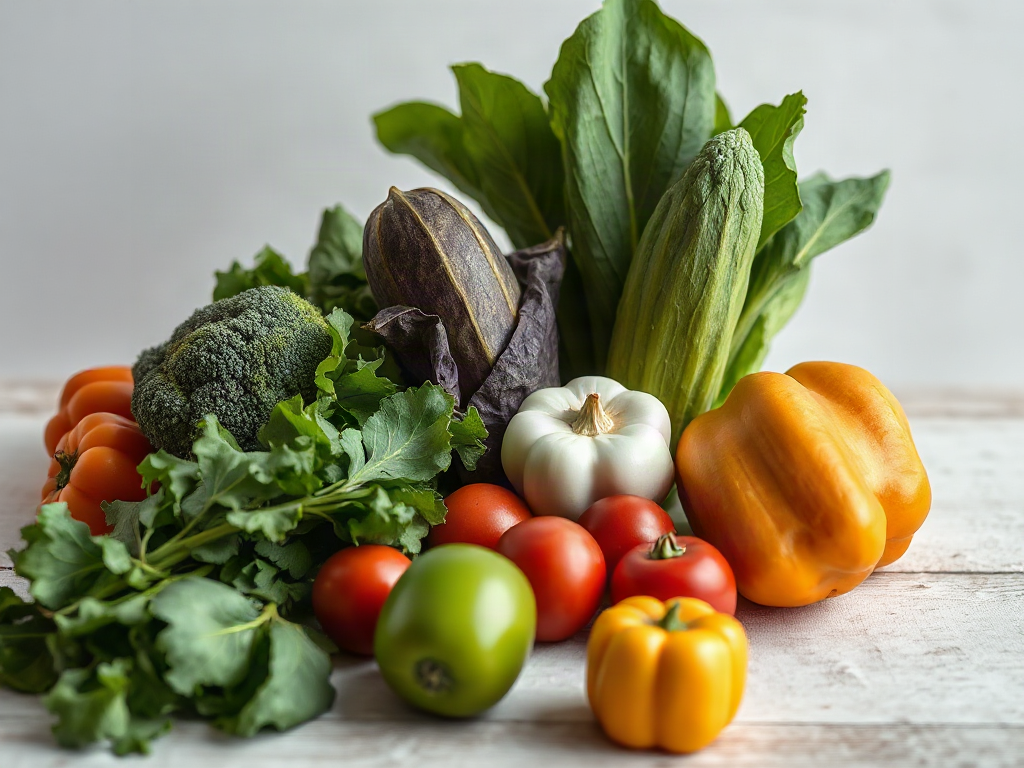
Organic vegetables that need humidity-controlled storage include leafy greens, broccoli, carrots, radishes, beets, asparagus, and other produce that loses quality quickly through moisture loss. Most keep best in cold, high-humidity conditions, while onions, garlic, and winter squash require lower humidity and better airflow to avoid mold or decay. Use refrigerator crisper settings, vented bags, or perforated containers to limit wilting without trapping liquid water. Keep damaged produce separate, delay washing until use, and check regularly for condensation, slime, sprouting, soft spots, or shriveling.
Why Does Storage Humidity Matter?
Harvested vegetables remain biologically active after they leave the soil. They continue to respire and release water, even though their roots can no longer replace what is lost. Tender leaves have a large exposed surface and thin protective tissues, so spinach or lettuce can become limp quickly in dry refrigerator air. Carrots and radishes lose firmness more slowly, but eventually become rubbery or shriveled for the same reason.
High relative humidity slows that water loss by reducing the moisture difference between a vegetable and the surrounding air. It does not mean that produce should sit in visible water. Liquid trapped on a leaf, inside a tightly sealed bag, or beneath a damaged stem can encourage sliminess and decay. The useful target is humid air paired with cold storage and enough ventilation to prevent persistent condensation.
Temperature and humidity therefore have to be managed together. Cold air slows respiration and many spoilage processes, while suitable humidity protects texture. A dry refrigerator can dehydrate greens even when it is cold enough. Conversely, a warm, saturated container may preserve surface moisture while creating conditions in which damaged tissue deteriorates rapidly. A home crisper drawer cannot reproduce commercial storage precisely, but it can buffer produce from the refrigerator’s circulating dry air.
Organic production does not create a separate set of postharvest moisture requirements. A conventionally grown carrot and an organic carrot have similar underlying storage physiology when cultivar, maturity, condition, and handling are comparable. The organic label describes the production system; it does not mean the vegetable must be stored in a sealed container or that it will necessarily spoil faster. Freshness at purchase, bruising, harvest maturity, and temperature interruptions often matter more.
Watch the vegetable rather than relying only on a drawer label. Wilting, flexible roots, wrinkled skin, or weight loss usually point toward insufficient humidity or unprotected exposure to refrigerator airflow. Droplets that persist for hours, wet packaging, sour odors, translucent tissue, or slime indicate excessive trapped moisture or active deterioration. Adjust ventilation before adding more moisture, and discard produce showing extensive decay rather than trying to rescue it by changing the drawer setting.
Which Vegetables Need High Humidity?
Leafy vegetables and many roots need cold, high-humidity storage because their market quality depends heavily on retained water. Lettuce, spinach, kale, chard, beet greens, collards, and fresh herbs can wilt rapidly when left uncovered. Broccoli, cauliflower, cabbage, Brussels sprouts, asparagus, carrots, beets, radishes, turnips, and parsnips also benefit from protection against moisture loss.
Commercial recommendations for many of these vegetables commonly approach 95–100% relative humidity under crop-specific cold conditions. That range is a postharvest reference rather than a reason to mist a household container until it is wet. At home, a closed high-humidity crisper, a perforated produce bag, or a container with limited ventilation is the practical approximation. The packaging creates a humid microclimate around the produce while small openings allow excess vapor to escape.
| Vegetable group | Practical humidity approach | Primary failure sign | Useful home setup |
|---|---|---|---|
| Leafy greens | High humidity, no standing water | Wilting or slimy leaves | High-humidity drawer or lined, vented container |
| Broccoli and cauliflower | High humidity with cold storage | Softening, yellowing, or odor | Perforated bag in the crisper |
| Carrots, beets, and radishes | High humidity; remove leafy tops | Rubbery texture or shriveling | Loose bag or lidded container with slight ventilation |
| Asparagus | High humidity without soaking tips | Limp spears or decaying tips | Refrigerated container or bag that limits drying |
Preparation affects results. Remove rubber bands or tight ties that bruise stems. Separate leafy tops from carrots, radishes, turnips, and beets because attached foliage continues to draw moisture from the root. Keep the edible tops if they are fresh, but store them separately as delicate greens. Unless dirt must be removed immediately, delay washing until shortly before use. If produce is washed first, drain and dry its surface thoroughly before refrigeration.
A common mistake is sealing damp greens in an airtight bag. The bag prevents dehydration, but droplets collect where crushed leaves and cut edges are most vulnerable. A better arrangement is to remove damaged leaves, place the greens in a clean container with an absorbent liner, and leave modest ventilation. Replace the liner if it becomes saturated. The setup is working when leaves remain crisp without pooled water or a stale odor.
Not every high-humidity vegetable keeps for the same period. Baby spinach is more delicate than a whole cabbage, and cut broccoli is more vulnerable than an intact head. Use tenderness and damage as priority signals: eat bruised, cut, or very leafy produce first, while reserving sound roots and dense heads for later meals.
Which Vegetables Need Lower Humidity?
Dry onions, garlic, shallots, and cured winter squash are poor candidates for a sealed high-humidity drawer. These vegetables store through dry outer skins or cured rinds that benefit from air circulation. Excess humidity, especially when combined with warmth or surface damage, can contribute to mold, soft rot, root growth, or sprouting.
Commercial conditions vary by crop and intended storage duration, but dry bulb onions and garlic are generally associated with substantially lower relative humidity than leafy greens, often around 65–70%. Cured winter squash is commonly handled at moderate rather than near-saturated humidity. Household storage is less exact: the practical goal is a cool, dry, ventilated location appropriate to the vegetable, not a numerical target maintained with a humidifier or dehumidifier.
Choose packaging that allows air movement. Mesh bags, open baskets, slatted bins, and paper bags with ventilation holes are preferable to sealed plastic for cured alliums. Do not pack onions or garlic tightly beneath a sink, beside a dishwasher, or against a damp exterior wall. Those locations may be dark but can be warm, humid, or poorly ventilated. Inspect stored bulbs and remove any with wet necks, soft areas, mold, or leaking tissue.
Winter squash needs a sound, hardened rind and an intact stem. Store it in a single layer when space permits so damage is visible and air can circulate. A basement may be suitable if it remains dry and does not become excessively cold, but a humid cellar that develops condensation is a poor choice. Refrigeration is not automatically better: some warm-season vegetables are sensitive to prolonged temperatures below their preferred range, and a refrigerator can expose them to both chilling and condensation.
The strongest comparison is between tissue types rather than between organic and nonorganic produce. Kale stays crisp by retaining water in tender leaves, whereas a cured onion stays sound by keeping its protective scales dry. Treating both the same creates opposite problems: uncovered kale wilts, while a sealed damp onion may mold. When storage requirements conflict, divide the produce by group instead of trying to find one compromise humidity level.
Potatoes deserve separate handling. They need darkness, ventilation, and cool conditions, but should not be stored with onions merely because both are pantry staples. Moisture, warmth, and accumulated gases in a cramped bin can accelerate quality loss. Keep potatoes in a breathable container away from light, monitor for decay or extensive sprouting, and avoid assuming that a high-humidity refrigerator drawer is the default solution.
How Do You Set Up Humidity-Controlled Storage at Home?
A workable home system begins by sorting vegetables according to moisture needs, not by fitting everything into the same drawer. Reserve the high-humidity crisper for greens, brassicas, and roots. Use a more open drawer or ventilated refrigerator area for produce that needs additional airflow, and place cured onions, garlic, and suitable squash in a cool, dry location outside the refrigerator.
Many crisper controls alter airflow rather than generating humidity. Closing the vent retains moisture released by vegetables, while opening it lets humid air escape. Drawer markings differ by appliance, so check the refrigerator manual if the symbols are unclear. Avoid overfilling: compressed greens bruise, blocked vents reduce circulation, and hidden vegetables are less likely to be inspected before decay spreads.
Use this compact setup sequence:
- Sort by crop type. Separate tender leaves and roots from cured bulbs and hard-rind squash.
- Inspect before storage. Remove leaking, moldy, or badly bruised pieces and loosen tight bands.
- Control surface moisture. Store produce dry to the touch; use an absorbent liner when condensation is likely.
- Select ventilation. Close the crisper vent for moisture-loving vegetables, but add package perforations if droplets persist.
- Review twice weekly. Move aging vegetables into the next meal plan and clean any spilled plant material promptly.
Ethylene exposure adds another constraint. Some fruits, including apples and ripe pears, release ethylene that can accelerate yellowing, bitterness, softening, or other quality changes in sensitive vegetables. A crisper full of broccoli and leafy greens should not double as long-term storage for ripening fruit. Separation is more reliable than expecting a plastic bag to block all gas movement.
Signs of success are stable texture, limited condensation, clean odors, and little visible shriveling. If greens wilt while remaining otherwise sound, reduce airflow or use a vented inner container. If droplets coat the lid and leaves become slippery, dry the produce, replace wet liners, remove damaged pieces, and increase ventilation. Changing several variables at once makes the cause harder to identify; adjust packaging or airflow first, then reassess.
Storage cannot restore produce that was already old, heat-damaged, or bruised when purchased. Select firm roots, compact brassica heads, resilient leaves, dry onion necks, and squash without punctures. Transport vegetables out of a hot vehicle promptly. For community-supported agriculture boxes or large market purchases, plan meals by perishability: use leafy greens and damaged items first, broccoli and asparagus soon after, then sound roots, cabbage, cured bulbs, and squash.
Food safety and quality are related but not identical. Crispness does not prove that produce is safe, and a wilted vegetable is not automatically unsafe. Discard vegetables with extensive mold, slime, leaking decay, or objectionable odors. When contamination or a food recall is suspected, humidity control is not a remedy; follow the relevant public-health instructions.
Frequently Asked Questions
Should organic vegetables be stored differently from conventional vegetables?
No special humidity rule applies solely because produce is organic. Match storage to the vegetable’s tissue, condition, and maturity, while accounting for washing, damage, temperature, and packaging.
Which vegetables belong in a high-humidity crisper drawer?
Leafy greens, broccoli, cauliflower, cabbage, carrots, beets, radishes, turnips, parsnips, and asparagus generally benefit from a closed, high-humidity drawer when they are dry to the touch.
Does high humidity mean vegetables should be misted?
No. Humid air limits water loss, but visible water can collect around damaged tissue and promote deterioration. Use packaging and drawer airflow to retain moisture without soaking the produce.
Why are vegetables wet inside a storage bag?
Vegetables release moisture through respiration and water loss. Condensation forms when vapor cannot escape or meets a colder surface; add ventilation, dry the produce, and replace saturated liners.
Can onions and leafy greens share the same crisper?
They should not share long-term storage conditions. Greens favor cold, humid protection, while cured onions need a drier, well-ventilated setting that keeps their outer scales from becoming damp.
Conclusion
Organize storage around the vegetable’s structure and condition. Tender leaves, brassicas, asparagus, and roots usually need protection from dry refrigerator air, but they should remain free of pooled water. Cured onions, garlic, and winter squash need more ventilation and less humidity, making a sealed crisper a poor default.
Start by separating these groups, removing damaged pieces, and learning how the refrigerator’s drawer vents work. Check for texture changes and condensation twice a week, then adjust airflow or packaging before produce deteriorates further. Use delicate or bruised vegetables first, keep ripening fruit away from sensitive greens, and treat mold, slime, leakage, or strong off-odors as discard signals. A simple system based on moisture needs is more dependable than storing every organic vegetable in the same bag or drawer.