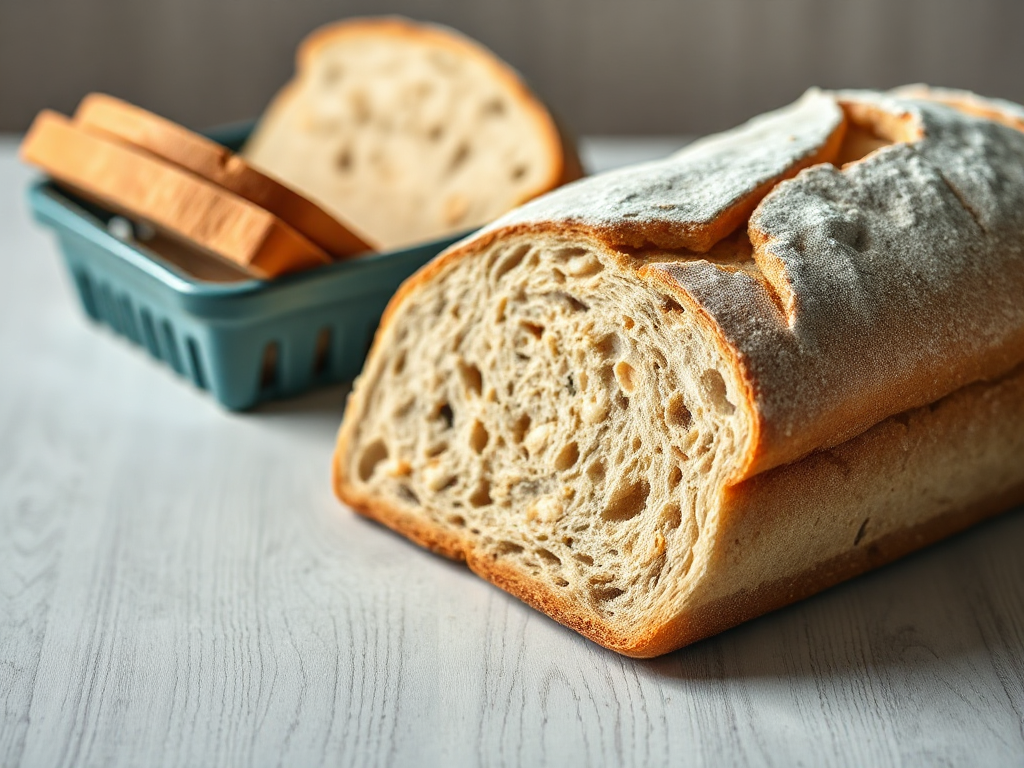
Choose organic bread for better nutrition by checking the whole-grain ingredient, comparing fiber and protein, limiting added sugar and sodium, and selecting a loaf whose texture and serving size fit your meals. Organic certification addresses farming practices, not whether bread is whole grain or nutritionally superior, so the ingredient list and Nutrition Facts panel matter more for this decision. Look for whole wheat, whole rye, or another whole grain listed first, then compare fiber, protein, sodium, and added sugars between similar loaves. Sourdough may offer a tangy flavor and different texture, but it is not automatically more nutritious, while gluten-free or sprouted options require careful label comparison.
What Organic Certification Tells You About Bread
Organic certification describes how agricultural ingredients were produced and handled; it does not by itself identify a whole-grain bread or guarantee higher fiber, protein, or micronutrient content. An organic white loaf and an organic whole-wheat loaf can both carry an organic label while offering very different nutrition. The useful question is therefore not whether the package says organic first, but whether the bread’s grain, formulation, and portion fit your eating pattern.
Organic bread may be a meaningful preference for shoppers who want ingredients produced under organic standards, but the nutrition decision still depends on the flour used. Refined wheat flour has had much of the bran and germ removed, while whole-grain flour retains the bran, germ, and endosperm. That difference affects fiber and the range of nutrients naturally present in the grain. Enriched refined flour may have selected nutrients added back, yet it is not equivalent to an intact whole grain in structure or fiber.
Consider two packages in a supermarket: one says “organic” in large lettering but lists organic wheat flour as its first ingredient, while another says “organic whole wheat” and lists whole wheat flour first. The second loaf is more likely to provide the whole-grain structure many shoppers seek. Neither package should be judged from the front panel alone. Terms such as multigrain, seven-grain, wheat, and natural can sound wholesome without proving that the primary flour is whole grain.
A common mistake is treating organic status as a shortcut for evaluating the entire product. A bread can be organic and still contain added sugar, substantial sodium, a small amount of fiber, or a serving size that makes comparisons difficult. Use organic certification as one preference, then evaluate the bread itself through the ingredient list and Nutrition Facts panel. Readers comparing broader eating patterns may also find it useful to review How to choose organic bread for better nutrition alongside their overall grain choices.
How to Read the Ingredient List and Nutrition Facts
The first ingredient is the fastest useful clue: for a higher-fiber loaf, look for whole wheat flour, whole rye flour, whole-grain oats, or another clearly named whole grain near the beginning. “Wheat flour” without the word whole generally does not provide the same information. A short ingredient list can be appealing, but length alone is not a nutrition test; preservatives, seeds, acids, or dough conditioners may appear in some breads without determining whether the loaf is whole grain.
Next, compare the Nutrition Facts panel using the same serving size. Fiber deserves priority because it helps distinguish many whole-grain loaves from refined alternatives. Protein can add satiety, particularly when bread is used as part of breakfast or lunch, but a higher protein number does not automatically make the loaf better if it comes from a formulation that is high in sodium or added sugar. Sodium matters when bread is eaten several times daily or paired with salty fillings. Added sugars are worth checking in sweetened sandwich bread, cinnamon loaves, and some soft multigrain products.
Brand comparisons work best when you place similar products side by side. Compare an organic whole-wheat sandwich loaf with another organic whole-wheat loaf rather than comparing it with dense rye, gluten-free bread, or a sweet breakfast bread. Check serving weight as well as slices per serving: a small slice can make the numbers look lower while delivering less food. The panel is most useful when interpreted with the ingredient list rather than treated as a scorecard.
Watch for misleading assumptions. Dark color can come from molasses or other ingredients and does not prove whole-grain content. Visible seeds may improve texture and contribute nutrients, but a seeded white loaf can still be mostly refined flour. “No added sugar” also says nothing about fiber. A practical label check is:
- Identify the first flour and confirm whether it is explicitly whole grain.
- Compare fiber, protein, sodium, and added sugars with similar loaves.
- Notice whether the serving size reflects the slice you actually eat.
- Check for ingredients that matter to you, such as milk, sesame, nuts, or wheat.
If two loaves are nutritionally close, choose based on taste, price, freshness, and how reliably you will use them. A slightly less impressive label that gets eaten with beans, eggs, vegetables, or nut butter may contribute more to a balanced diet than an expensive loaf left unused.
Choosing Grain Types, Texture, and Processing
Whole wheat is a straightforward choice for familiar sandwich bread, while whole rye, oat-containing loaves, and breads made with mixed whole grains offer different flavors and textures. Grain variety can make meals more enjoyable, but “multigrain” does not necessarily mean that most of the flour is whole grain. Confirm the form of each primary grain before assuming the blend has the same value as a whole-grain loaf.
Processing changes texture, moisture, shelf life, and sometimes how a bread fits into a meal, but it does not create a simple good-versus-bad ranking. Sourdough fermentation may alter flavor and dough characteristics; it does not make every sourdough loaf whole grain or low in sodium. Sprouted-grain bread can contain sprouted ingredients and often has a dense texture, yet the full formulation still needs checking. A bread labeled gluten-free may be appropriate for someone who must avoid gluten, but gluten-free status does not guarantee more fiber or better nutrition for everyone.
Texture creates a practical tradeoff. Dense bread may provide a satisfying base for soup or an open-faced meal, while soft bread may be easier for children, older adults, or people with chewing difficulties. Very dense loaves can also make a normal serving smaller or less convenient to use. Fresh bakery bread may have a short usable life, whereas packaged bread may contain ingredients intended to preserve softness. Neither format wins automatically; the better choice is the one whose grain quality and storage pattern match your household.
For example, someone replacing refined toast at breakfast might choose a whole-wheat loaf with a moderate slice size and use it with eggs and fruit. Someone making dark bread sandwiches may prefer whole rye, but should check whether the first ingredient is whole rye or a blend dominated by refined flour. A common failure mode is selecting by color, seeds, or a “sprouted” claim without verifying the primary flour. Use those features as tie-breakers after confirming the grain base.
Shoppers wanting a more detailed comparison can connect this decision with How to choose organic bread for better nutrition when assessing whether a specialty loaf actually improves the meal or simply costs more.
Matching Bread to Meals, Budget, and Dietary Needs
The most nutritious bread choice is partly determined by what it replaces and what goes on it. A whole-grain slice paired with hummus, lentils, eggs, tuna, tofu, or nut butter creates a more substantial meal than bread eaten alone. Adding tomatoes, leafy greens, peppers, fruit, or another produce item can broaden the meal’s nutrient profile. Bread does not need to provide every nutrient; its role may be a fiber-rich grain component within a larger plate.
Budget changes the decision. Organic specialty loaves can cost more because of ingredient sourcing, production scale, packaging, or distribution. If the price difference would reduce purchases of beans, frozen vegetables, fruit, or other nutritious staples, a conventional whole-grain loaf may be the more balanced household choice. If organic purchasing is a firm priority, compare store brands, larger loaves, and freezer storage rather than sacrificing the grain quality you wanted.
Storage is part of nutrition planning because a loaf that molds or becomes stale is wasted food and wasted money. Keep only the amount likely to be eaten soon at room temperature when appropriate for the product, and freeze extra slices in a well-sealed package. Slice separation makes it easier to remove only what a meal requires. Follow package instructions and discard bread with visible mold rather than cutting around the affected area, since mold can extend beyond what is visible.
Dietary needs may change the priority order. A person with celiac disease or a medically advised gluten-free diet needs a suitable gluten-free product and must consider cross-contact guidance, while a person without that need does not gain a general nutrition advantage merely from avoiding gluten. People monitoring sodium, carbohydrate intake, or blood sugar should compare the full meal and their personal guidance rather than relying on a “healthy” front label. A clinician or registered dietitian can help when a medical condition makes bread selection unusually restrictive.
Test a new loaf in the way you normally eat bread. If it is filling but too dense for sandwiches, use it with soup or toast it. If the flavor leads to larger portions of sweet spreads, a plainer loaf may work better. Signs of a successful choice include regular use, acceptable storage life, a clearly whole-grain first ingredient when desired, and meals that contain complementary protein or produce. The final check is practical: choose a loaf you can afford, store, enjoy, and use consistently. That approach is more reliable than paying for a label while ignoring the rest of the diet.
Frequently Asked Questions
Is organic bread automatically healthier?
No. Organic certification addresses production standards, while fiber, grain type, sodium, added sugar, and serving size determine much of the bread's nutrition.
What should the first ingredient be in a nutritious loaf?
Choose a clearly named whole grain, such as whole wheat or whole rye, when your priority is a whole-grain bread. “Wheat flour” alone is less informative.
Does darker bread mean it contains more whole grain?
No. Color can come from ingredients such as molasses or other coloring components. Confirm whole-grain wording in the ingredient list instead.
Are sourdough and sprouted breads better choices?
They may suit certain tastes or textures, but neither label guarantees better nutrition. Check the primary grain, fiber, sodium, added sugar, and serving size.
How can organic bread fit a limited food budget?
Compare store brands and similar loaves, freeze extra slices, and weigh the price against other staples. A reasonably priced whole-grain loaf may support the overall diet better than an expensive specialty loaf.
Conclusion
Choosing organic bread for better nutrition means separating the farming label from the food’s actual composition. Confirm a whole grain first ingredient when that is your goal, then compare fiber, protein, sodium, added sugars, ingredients, and serving size among similar loaves. Treat color, seeds, sourdough, sprouted grains, and specialty claims as details to investigate rather than proof of quality. Match the bread to the meals you make, your dietary requirements, storage habits, and budget. A practical next step is to compare two or three packages during your next shop, record which loaf offers the clearest whole-grain evidence at a workable price, and freeze any extra slices before they are wasted.