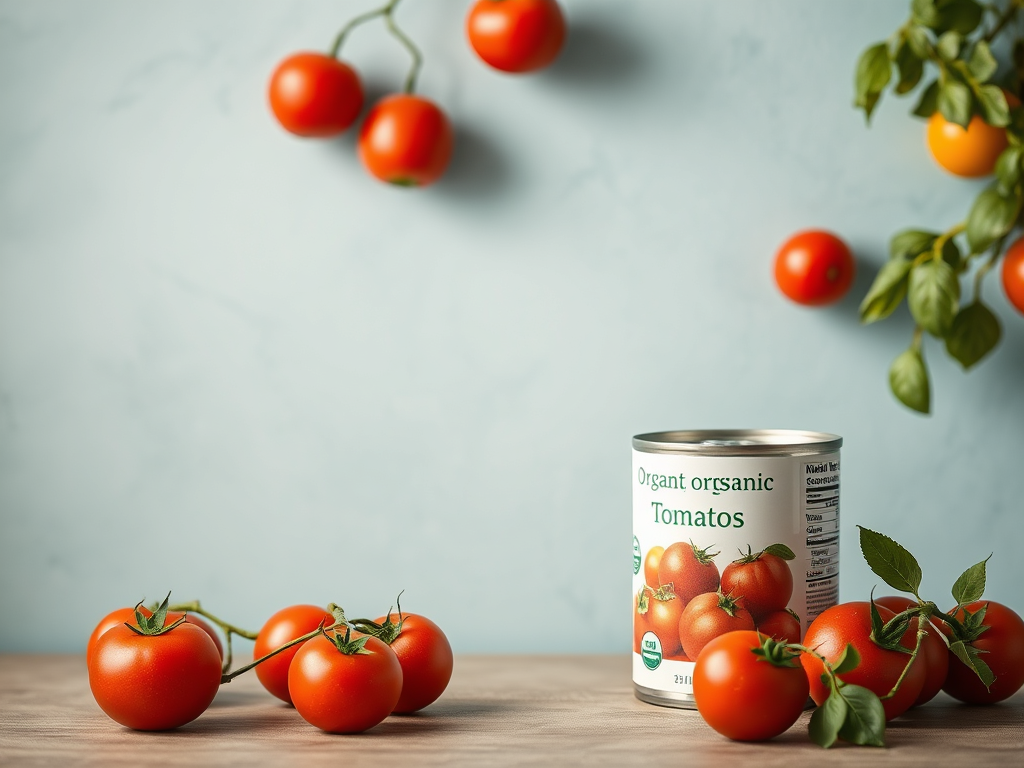
Compare organic canned tomatoes with fresh tomatoes by matching equal serving sizes, then check lycopene, vitamin C, potassium, calories, and added sodium on the label. Canning softens tomato tissue and heating may make lycopene easier to use, while storage and cooking can reduce some vitamin C; fresh tomatoes usually provide a brighter flavor and no can-related sodium unless seasoned. Organic certification describes farming practices, not a guaranteed nutrient advantage, so compare the nutrition panel and ingredient list rather than assuming one form is healthier. Choose no-salt-added canned tomatoes for soups and sauces, and use fresh tomatoes when texture, vitamin C, or raw preparation matters most.
What Nutritionally Changes During Canning
Fresh and canned tomatoes begin with the same basic food, but processing, storage, and the surrounding liquid change how their nutrients are delivered. Fresh tomatoes are often eaten raw or lightly cooked, whereas canned tomatoes are commonly heated during processing and later used in sauces, stews, and soups. A fair comparison therefore needs the same serving size and similar preparation rather than comparing one raw tomato with an entire pot of cooked sauce.
Heat can soften tomato cell walls and alter the structure of plant tissue. That matters for lycopene, the red carotenoid associated with tomatoes, because cooking may make some of it more available for digestion. The effect is not a reason to treat canned tomatoes as universally superior: the final meal, the presence of fat, and the product’s formulation also influence the practical result. A tomato sauce made with olive oil is nutritionally different from plain canned tomatoes eaten straight from the container.
Vitamin C is more sensitive to heat and prolonged storage than lycopene. Fresh tomatoes can therefore have an advantage when they are ripe and consumed soon after purchase, particularly in raw dishes. That advantage is not guaranteed if the “fresh” tomatoes are underripe, stored for a long time, or cooked extensively. A canned product may retain useful nutrients consistently because it is processed near harvest, while fresh produce can vary considerably by ripeness and handling.
A common mistake is comparing a drained canned tomato with a fresh tomato without deciding whether the canning liquid will be eaten. The liquid may contain tomato nutrients, but it can also contain salt. For a meaningful household comparison, use the label’s serving size, note whether the product is whole, diced, crushed, or puréed, and record whether it is salted. Those details often matter more than the organic label.
Lycopene, Vitamin C, Potassium, and Sodium Compared
Lycopene is usually the nutrient that makes canned tomatoes especially interesting. Canned tomatoes are heated, and that processing can increase the fraction of lycopene that the body can access compared with an equivalent amount of raw tomato. The outcome still depends on the product and recipe, so “more available” should not be confused with a guaranteed health effect or a fixed nutrient ranking for every brand.
Fresh tomatoes may offer more vitamin C when they are ripe and eaten raw. Vitamin C can decline with heat, exposure to air, and extended storage. Someone adding sliced tomatoes to a sandwich or salad may therefore gain a different nutrient profile from someone using canned tomatoes in a long-simmered chili. Neither choice supplies every nutrient in a meal; beans, leafy greens, peppers, whole grains, and other ingredients can fill different nutritional roles.
Potassium is present in both forms, but the amount per serving depends on concentration, draining, and recipe ingredients. Tomato paste and purée can provide more tomato solids per spoonful than a watery diced product, while a finished sauce may contain sugar, oil, or substantial salt. Sodium deserves close attention because canned tomato products vary widely. “Organic” does not mean low-sodium, and a product labeled “seasoned” may contain more salt than plain tomatoes.
Use the nutrition facts panel as a practical tool rather than relying on assumptions. Compare:
- the serving weight or volume;
- calories and sodium per serving;
- potassium and fiber when listed;
- the ingredient list for salt, sugar, oils, or flavorings; and
- whether the product is intended to be drained.
For example, a low-sodium canned tomato may be the better base for a homemade pasta sauce if you control seasoning elsewhere. Fresh tomatoes may be preferable for a raw salsa where crisp texture and vitamin C are priorities. A misleading comparison treats the canned option as nutritionally fixed and the fresh option as automatically nutrient-rich; actual ripeness, preparation, and serving size determine much of the difference.
How Organic Certification Fits the Comparison
Organic certification primarily describes how the tomatoes were grown and handled under the applicable certification system. It does not establish that canned tomatoes contain more lycopene, vitamin C, potassium, or fiber than conventional fresh tomatoes. Nutrient levels are affected by variety, soil, maturity, weather, processing, and storage, so the word “organic” should be considered alongside—not instead of—the nutrition facts panel.
That distinction helps prevent a costly shopping error. A shopper may choose an organic canned product with added salt and assume the label resolves every nutritional concern. Another may reject canned tomatoes because they are processed, even though the product has a short ingredient list and makes it easier to include tomatoes regularly. If organic production aligns with your priorities, choose the organic option; then evaluate sodium, added ingredients, packaging condition, and intended use separately.
Fresh organic tomatoes and organic canned tomatoes can also differ in availability and waste. Fresh produce may spoil before it is used, especially when purchased for a single recipe. A shelf-stable can can reduce that constraint and make tomato-based meals easier to prepare. Canned products are not automatically a better environmental or budget choice in every setting, but avoiding unused fresh produce is a practical consideration for many households.
The ingredient list offers a useful reality check. Plain canned tomatoes may list tomatoes and perhaps a processing aid, while sauces and seasoned products can include salt, sugar, herbs, or oil. A product with fewer ingredients is not automatically more nutritious, but fewer additions make it easier to understand what you are comparing. Readers researching how to compare organic canned tomatoes with fresh tomatoes nutritionally should separate three questions: farming method, nutrient profile, and recipe suitability. Combining them into one “healthy or unhealthy” judgment produces weak decisions.
Choosing the Better Tomato for Meals and Dietary Needs
The better choice depends on the meal and the nutrient or restriction that matters most. Choose fresh tomatoes for salads, sandwiches, chopped toppings, and raw salsas when texture and vitamin C are useful priorities. Choose canned tomatoes for soups, braises, chili, and sauces when consistency, convenience, and cooked tomato flavor matter. A mixed approach often works best: canned tomatoes provide the body of a sauce, while fresh tomatoes or herbs added near serving can contribute contrast and freshness.
People limiting sodium should begin with “no salt added” or lower-sodium cans and taste the dish before seasoning. Rinsing canned tomatoes may reduce some surface salt, but it also removes liquid and is not a precise sodium-control method. The label remains the reliable starting point. People watching calories should be cautious with prepared sauces, where oil or sugar can matter more than the tomato itself.
A simple comparison process keeps the decision grounded:
- Match the amount of tomato used in each recipe or compare equal weights.
- Identify whether the product is raw, cooked, drained, crushed, or concentrated.
- Check sodium and the ingredient list before focusing on marketing language.
- Choose the form that will actually be eaten before it spoils or gets replaced by a less nutritious convenience food.
Consider a weeknight meal: canned crushed tomatoes may be the sensible choice because they create a reliable sauce in minutes, while fresh tomatoes purchased out of season may be watery and less satisfying. For a summer salad, the reverse may be true because canned texture is unsuitable even if the nutrient profile is acceptable. The common failure is chasing a theoretical nutrient advantage while ignoring taste, preparation, cost, or waste. Practical nutrition improves when the selected form fits the meal and the household’s actual habits.
Tomatoes are nutritious foods, but they are not treatments for disease and cannot compensate for an unbalanced diet. If a clinician has prescribed a sodium or potassium restriction, use the label and professional guidance rather than general comparisons. For everyday eating, rotate tomato forms, include a variety of produce, and use the canning format strategically instead of treating it as a compromise.
Frequently Asked Questions
Are organic canned tomatoes more nutritious than fresh tomatoes?
Not automatically. Canning may improve lycopene availability, while fresh tomatoes may retain more vitamin C, and organic certification does not guarantee a higher nutrient content.
Does cooking tomatoes destroy their nutrients?
Cooking can reduce some heat-sensitive vitamin C, but it may soften plant tissue and make lycopene more accessible. The effect depends on time, temperature, and the recipe.
Should I avoid canned tomatoes because of sodium?
No. Check the nutrition panel and choose no-salt-added or lower-sodium products when needed. Plain canned tomatoes and seasoned sauces can have very different sodium levels.
Are fresh tomatoes better for vitamin C?
Fresh, ripe tomatoes eaten raw may provide more vitamin C than tomatoes exposed to heat or long storage. Variety, ripeness, and handling still affect the comparison.
Can canned tomatoes count as whole foods?
Plain canned tomatoes are a minimally processed form of a whole plant food, although processing changes texture and some nutrients. Products with added salt, sugar, or oil require a closer label check.
Conclusion
Comparing these tomato forms works best when you separate organic production from nutrition and compare equal portions in the form you will actually eat. Canned tomatoes offer convenience, dependable availability, and potentially greater lycopene accessibility after heating, while fresh tomatoes can be especially useful for raw meals, texture, and vitamin C. Sodium and added ingredients deserve priority because they vary substantially between products. Check the serving size, ingredient list, sodium, and degree of concentration before deciding. A no-salt-added can may be ideal for a cooked meal, while ripe fresh tomatoes may suit a salad or sandwich. Using both forms across different meals is often more practical than declaring one universally superior.