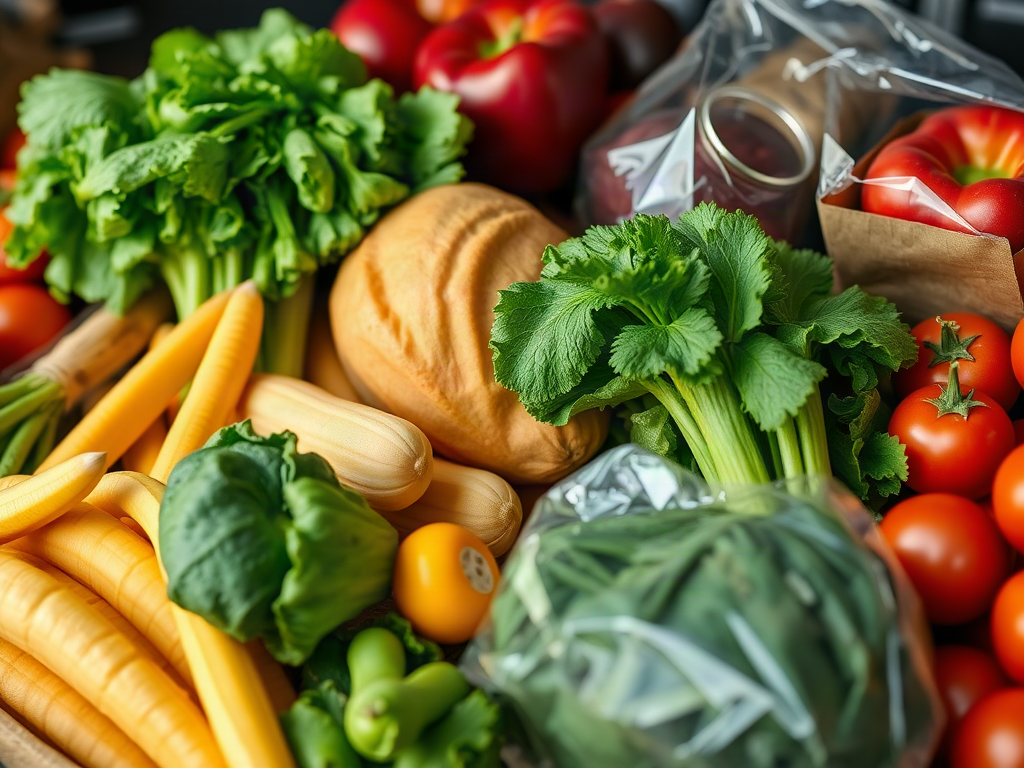
Organic produce safe handling after power outages depends on temperature exposure, physical condition, and whether cut or packaged items stayed cold. Move refrigerated produce to a working refrigerator or cooler promptly, keep the door closed, and separate items that are leaking, moldy, slimy, swollen, or visibly contaminated. Whole firm produce may remain usable after a short interruption, while cut fruit, bagged greens, sprouts, and prepared containers deserve stricter decisions because moisture and handling allow microbes to spread. Do not taste questionable food to test it, and do not assume washing can reverse spoilage or make food that warmed for too long safe.
What a Power Outage Changes in Fresh Produce
A refrigerator outage changes more than the temperature reading. As chilled food warms, microorganisms can multiply more readily, condensation may form inside packages, and delicate tissues can soften. Organic status does not make produce more or less resistant to this process; the relevant questions are temperature, time, moisture, handling, and condition.
Whole apples, oranges, carrots, cabbage, and intact peppers generally have more physical protection than cut melon, sliced cucumbers, washed salad greens, or a container of prepared fruit. A peel or uncut surface limits exposure, but it is not a guarantee of safety after prolonged warmth. Produce that was already bruised, wet, damaged, or close to its use-by date has less margin than firm, dry produce in good condition.
Keep the refrigerator and freezer doors closed during the interruption. Opening them repeatedly allows cold air to escape and makes the eventual assessment less useful. If the outage continues, a cooler with ice or frozen gel packs can protect perishable items, provided raw foods, melting water, and ready-to-eat produce are kept separate. A thermometer is more informative than a guess based on how cool an item feels.
A common mistake is treating the outage as a simple appearance test. A leaf can look normal while having spent too long warm, and a crisp-looking item may have been contaminated by leaking food. Conversely, slight wilting alone is usually a quality issue rather than proof of spoilage. Use appearance as one signal, not the entire decision.
A Practical Sorting Method for the Refrigerator
Sort produce according to risk before trying to rescue anything. Ready-to-eat and cut items should receive attention first because they have exposed surfaces, added moisture, and more opportunities for transfer during preparation. Check packaged greens, cut fruit, fresh herbs, sprouts, vegetable trays, and leftovers containing produce before intact items in drawers.
Place questionable foods on a clean counter only briefly while inspecting them. Look for sour or alcoholic odors, slime, fuzzy mold, unusual bubbling, leaking liquid, swollen packaging, discoloration paired with softness, and a texture that has broken down. A single bruised spot on a firm carrot is different from a collapsed, wet area spreading through a package of greens. Mold on soft, high-moisture produce is a stronger discard signal because contamination may extend below the visible surface.
Use a simple priority order:
- Discard immediately: items with mold, slime, a strongly abnormal odor, leaking packages, pest contamination, or contact with dirty floodwater or sewage.
- Assess cautiously: cut produce, bagged greens, sprouts, fresh-cut trays, and foods that became warm or sat in pooled liquid.
- Consider keeping: clean, intact, firm items with no spoilage signs that remained adequately chilled or were moved into a properly iced cooler.
Do not taste-test a questionable strawberry or leaf. Tasting cannot establish safety, and a normal flavor does not rule out harmful contamination. Do not rely on rinsing to correct temperature abuse, either. Washing can remove some surface dirt, but it does not reliably remove organisms throughout damaged tissue or undo toxins and deterioration that developed during storage.
Use the organic produce safe handling after power outages checklist alongside the appliance temperature history. If nobody knows when the refrigerator stopped cooling, choose the conservative option for high-risk items rather than trying to recover their purchase value.
Whole, Cut, Packaged, and Frozen Items
Produce form determines how much exposure matters. An intact head of cabbage, uncut squash, or whole citrus fruit has a dry outer barrier that can be washed before preparation. A sealed bag of washed greens has already been handled and may contain trapped moisture, so warmth can affect it faster than the outside appearance suggests. Cut fruit has an exposed interior rich in water and sugars, conditions that can support rapid quality loss and microbial growth.
For example, a firm, uncut bell pepper that remained cool may be usable after the power returns, even if it has mild wrinkling. A container of diced peppers stored beside it deserves a separate judgment. The cut pieces have more exposed surface area, and liquid collecting at the bottom can spread spoilage through the container. Keeping both items simply because they came from the same shopping trip is a weak assumption.
Frozen produce presents a different question: whether it stayed frozen or cold enough to limit deterioration. Ice crystals, partial thawing, and refreezing can damage texture without automatically proving contamination, but a fully thawed package that warmed substantially should not be judged by texture alone. Packages with torn seals, heavy leakage, or contact with dirty meltwater should be discarded.
Fresh herbs and leafy greens often show quality loss first through limpness, darkened edges, or wet patches. Limpness by itself may improve in cold water for some greens, but recovery of crispness does not erase an unsafe temperature history. Sprouts warrant particular caution because their growing conditions can support microorganisms before they reach the refrigerator.
When comparing salvage and disposal, consider replacement cost against the consequence of serving questionable food. A whole, low-moisture item may be a reasonable keep decision after a short, controlled interruption. Cut produce, sprouts, and ready-to-eat packages are less suitable for optimistic rescue, especially for young children, older adults, pregnant people, or anyone with a weakened immune system. For more detail on related judgments, see organic produce safe handling after power outages when reviewing individual items.
Washing, Salvaging, and Preventing a Second Safety Problem
Wash produce under clean running water only when the item has passed the basic discard check. Washing is a preparation step, not a repair method. It may remove soil and some surface debris from a sound item, but soap, bleach, disinfectant, or household cleaners should not be used on food. Chemical residues can create a new hazard, and aggressive scrubbing can damage soft surfaces.
Start with clean hands, a clean sink, and utensils that have not touched raw meat, leaking packages, or dirty cooler water. Rinse whole produce before cutting it so a knife does not carry contamination from the exterior into the edible portion. Drying leafy produce with clean towels or a salad spinner can reduce excess surface moisture, which helps quality, although drying cannot make previously unsafe food safe.
Trim decisions depend on the defect. A dry, shallow bruise on a firm apple can often be cut away with a clean knife and the remaining flesh used promptly. Soft, watery produce with mold, a spreading rotten area, or a fermented odor is not a good trimming project. Cutting away one visible spot may leave contaminated tissue behind, particularly in high-moisture foods such as berries, peaches, tomatoes, and cut melon.
Clean the refrigerator after removing spoiled food. Wipe shelves, drawers, and handles with appropriate household cleaning materials according to their labels, then rinse food-contact surfaces as directed. Wash reusable cooler inserts and discard meltwater away from food. A frequent failure mode is returning sound produce to a shelf contaminated by leaking liquid, creating a second exposure after the outage has ended.
Keep retained items separate from foods awaiting disposal, and use clean containers rather than reusing a package with leakage or residue. If an item smells abnormal, feels slimy, or has swollen packaging, do not cook it merely to save it; heat may change some hazards but is not a dependable correction for every type of spoilage or contamination.
A Safer Plan for the Next Outage
Preparedness reduces guesswork. Keep an appliance thermometer in the refrigerator and freezer, maintain a cooler and suitable ice packs, and know where to find the manufacturer’s temperature guidance. Before severe weather, move foods that are especially perishable into a well-packed cooler if safe to do so, rather than waiting until the refrigerator has been warm for an unknown period.
Record the time the power fails and avoid opening the refrigerator unnecessarily. If power returns briefly and fails again, note that interruption separately; repeated warming and cooling can produce a less reliable history than one continuous outage. A cooler works best when it is opened only when needed and when food is arranged so ready-to-eat produce is protected from raw foods and meltwater.
Organize refrigerator shelves by risk. Keep washed greens and cut fruit in leak-resistant containers, store whole produce where it will not be crushed, and avoid packing wet greens tightly. Label containers with preparation dates. These habits make it easier to identify which foods need priority when the appliance stops cooling.
For a quick post-outage review, ask:
- Was the item whole or cut, dry or wet, sealed or exposed?
- Was there a known cold-temperature history, or only an assumption?
- Is there mold, slime, abnormal odor, leakage, swelling, or tissue collapse?
- Did the food contact raw-food juices, dirty water, or a contaminated shelf?
- Would serving it create avoidable risk for someone especially vulnerable?
The best plan balances food waste with food safety, not food waste against safety. A sound whole vegetable may be worth retaining when its history is controlled, while an uncertain ready-to-eat package is usually a poor candidate for experimentation. Add organic produce safe handling after power outages to household emergency notes so the sorting process is available when time, ice, and information are limited.
Frequently Asked Questions
Should organic produce be discarded after any power outage?
No. A short interruption does not automatically spoil every item. Judge each food by its form, cold history, condition, and exposure to leaking or dirty liquids.
Can I wash produce that became warm?
Washing may remove surface soil from sound produce, but it does not reliably correct prolonged warming, internal spoilage, or contamination in damaged tissue.
Are wilted greens unsafe?
Wilting alone is usually a quality concern. Discard greens that are slimy, foul-smelling, moldy, dark and wet throughout, or associated with an uncertain high-risk temperature history.
Is cut fruit riskier than whole fruit after an outage?
Usually, yes. Cutting exposes moist interior surfaces and spreads handling-related contamination, so cut fruit deserves a stricter assessment than intact fruit.
Can moldy firm produce be trimmed?
A small dry bruise is different from mold. High-moisture or soft produce with mold should be discarded because contamination may extend below the visible area; trimming is not a dependable rescue method.
Conclusion
Safe handling after a power outage begins with sorting, not washing. Protect the coldest items first, then separate intact produce from cut, packaged, wet, or ready-to-eat foods that have less tolerance for uncertain storage. Discard anything moldy, slimy, leaking, swollen, foul-smelling, contaminated by dirty water, or impossible to place within a credible temperature history. Mild wilting or wrinkling may affect quality without proving spoilage, but appearance cannot override prolonged warmth. A refrigerator thermometer, a stocked cooler, clean containers, and a recorded outage time make future decisions more precise. When risk and replacement cost compete, be conservative with cut produce and foods intended for vulnerable household members; preserving a questionable package is not worth creating an avoidable food-safety problem.
Further Reading
Authoritative Sources
- Food Safety After a Power Outage - Sonoma County Emergency
socoemergency.orgDiscard perishable foods (including meat, poultry, fish, eggs and leftovers) in your refrigerator when the power has been off for 4 hours or more. Thawed food ...
- Power Outages, Floods & Fires
fsis.usda.govPerishable foods will stay safe in a refrigerator only 4 hours. Find out where dry ice and block ice can be purchased. During a Power Outage.
- Food Safety During Power Outage
foodsafety.govKeep the door closed as much as possible. Discard refrigerated perishable food such as meat, poultry, fish, eggs, and leftovers after 4 hours ...
- Food and Water Safety During Power Outages and Floods
fda.govIf the power was out for no more than 4 hours, refrigerated food should be safe as long as the doors were kept closed. When the power comes back ...