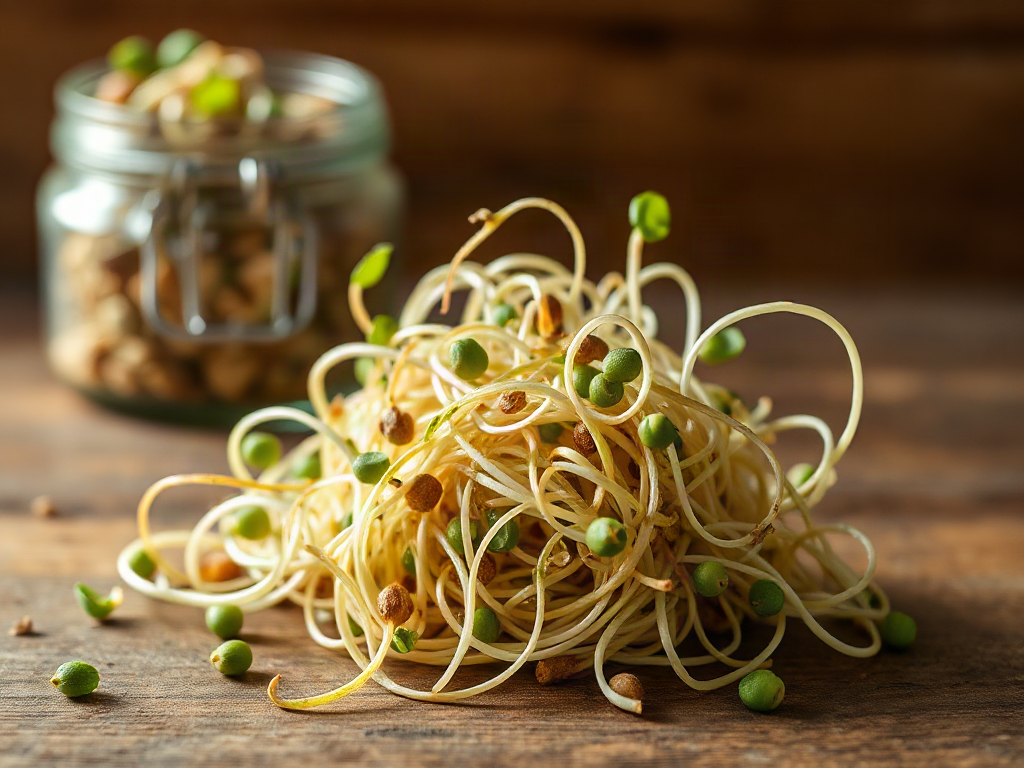
Organic raw sprouts and pregnancy safety concerns center on the possibility that bacteria such as Salmonella, E. coli, or Listeria may multiply inside warm, moist sprouting conditions and remain difficult to remove by rinsing. Pregnancy guidance commonly favors avoiding raw or lightly cooked alfalfa, bean, clover, radish, and similar sprouts, including those labeled organic, because organic certification does not make them pathogen-free. Cooking sprouts thoroughly until steaming hot provides a safer alternative, while washing hands, separating raw sprouts, and checking prepared foods can reduce cross-contamination. Anyone who develops fever, vomiting, diarrhea, or dehydration after eating sprouts should contact a maternity-care professional promptly.
Why Raw Sprouts Carry a Distinct Pregnancy Risk
Raw sprouts create a food-safety problem that differs from ordinary raw produce because the seed is germinated in warm, moist conditions. Those conditions encourage rapid plant growth, but they can also allow bacteria present on a seed or introduced during handling to multiply. The edible sprout may look fresh and clean while contamination remains inside folds, crevices, or the growing tissue.
Common examples include alfalfa, mung bean, clover, radish, broccoli, and mixed sprouts. The concern is not limited to one type or to a particular store. Salmonella and pathogenic strains of E. coli have been associated with sprout-related foodborne illness, and Listeria is another reason pregnancy food guidance takes a cautious approach. Rinsing may remove soil or loose debris, but it cannot reliably eliminate organisms that have entered the seed or multiplied during germination.
Pregnancy changes the decision threshold. A foodborne infection may be unpleasant for anyone, yet fever, dehydration, or an infection involving Listeria can have more serious consequences during pregnancy. That does not mean every serving causes illness; it means the avoidable risk has little nutritional advantage over safer alternatives. A sandwich with raw sprouts, for example, can usually be ordered without them and replaced with cooked vegetables, avocado, or another filling.
A common mistake is treating freshness as proof of safety. Crisp texture, a pleasant smell, and a reputable shop do not test for pathogens. The practical priority is the preparation state: raw or lightly warmed sprouts deserve more caution than sprouts cooked thoroughly as part of a hot meal. Readers comparing this topic with broader organic raw sprouts and pregnancy safety concerns should keep that distinction central.
Does Organic Certification Change Sprout Safety?
Organic certification describes how a product is grown and handled under an organic production system; it is not a guarantee that raw sprouts are free from harmful bacteria. Organic and conventionally produced seeds can both become contaminated before sprouting, during watering, or through equipment and handling. The label may matter for a shopper’s farming preferences, but it does not remove the microbiological issue created by germination.
The same principle applies to home-grown sprouts. Growing them in a sanitized jar or on a clean tray may reduce some handling problems, but home equipment cannot reliably identify contaminated seed or verify pathogen control. A careful home grower can still produce sprouts that look normal and are unsafe to eat raw. Washing the jar, rinsing regularly, and refrigerating finished sprouts are sensible hygiene measures, not substitutes for a validated kill step.
“Washed,” “triple-washed,” or “ready-to-eat” wording can also mislead pregnant shoppers when the food remains raw. Washing is useful for ordinary surface dirt, but it does not provide the same risk reduction as thorough cooking. Refrigeration slows bacterial growth but does not reverse contamination. Organic packaging, local sourcing, and a short harvest date may influence quality or freshness; none should be used as the deciding safety test.
The useful comparison is between farming label and preparation method. Organic raw sprouts still carry the raw-sprout concern, whereas organic sprouts cooked thoroughly can fit more comfortably into a pregnancy meal pattern. Nutritionally, sprouts are not irreplaceable: cooked peas, lentils, green beans, broccoli, cabbage, or other vegetables can supply fiber and micronutrients without requiring the same raw-germination decision. More detail on ingredient selection appears in organic raw sprouts and pregnancy safety concerns.
Which Sprouts and Foods Require the Most Caution?
Pregnant people should treat all raw or lightly cooked sprouts cautiously rather than relying on a short “unsafe list.” Alfalfa, clover, mung bean, radish, broccoli, and mixed sprouts are frequent examples, but an unfamiliar variety should not be assumed safer simply because it is small, organic, or marketed as a wellness food. The risk comes from the sprouting process and lack of a heat step, not from a single flavor or color.
Restaurant and deli foods can make the decision harder. Raw sprouts may be tucked into a wrap, sushi-style roll, salad, grain bowl, pho garnish, or cold noodle dish. A bowl that otherwise contains cooked chicken or tofu is not automatically low risk if raw sprouts are added at the end. Ask whether sprouts are included, request their removal before assembly, and avoid shared toppings if staff cannot separate raw ingredients cleanly.
Light cooking is another frequent weak point. Briefly warming bean sprouts until they remain cool or crunchy may not heat the center sufficiently. Stir-frying until the sprouts are steaming hot throughout is a more dependable approach than adding them after the pan leaves the heat. If texture matters, cooked cabbage, snap peas, shredded carrot, or cucumber can provide crunch in a different way; raw cucumber does not carry the same sprouting-specific concern.
Food safety also includes cross-contact. A cutting board used for raw sprouts should not immediately handle ready-to-eat fruit without cleaning, and hands should be washed after touching a package or colander. Keep raw sprouts separate from foods that will not be cooked. These details may seem disproportionate for a small garnish, but the garnish is often eaten without another safety step. A practical meal choice favors a cooked ingredient when the substitution is easy and the raw item adds little unique value.
Safer Preparation, Ordering, and Substitution Decisions
Thorough cooking is the main practical way to lower the risk from sprouts during pregnancy. Add them early enough to a stir-fry, soup, curry, or noodle dish that the entire portion becomes steaming hot. Do not depend on color, a brief wilt, or a quick microwave interval without stirring. The exact cooking time varies with quantity and equipment, so the useful visual cue is heat throughout rather than a crisp center.
A simple decision process helps when labels and menus are unclear. First, identify whether the sprouts are raw, chilled, or only lightly warmed. Second, ask whether the dish will be cooked thoroughly after the sprouts are added. Third, consider whether a different ingredient can provide the desired texture or nutrition. To wrap up, prevent contact between the raw sprouts and ready-to-eat food. This sequence is more reliable than asking whether a product is premium, local, or organic.
- At home: keep sprouts refrigerated, use clean hands and utensils, and cook them rather than eating them straight from the package.
- At restaurants: ask specifically about raw sprouts in wraps, salads, bowls, and garnishes, then request removal before preparation.
- For meal prep: choose cooked vegetables or legumes when food will be stored and reheated, since a raw garnish can be forgotten during serving.
Cooking has a tradeoff: sprouts lose some crispness and may change in volume. That is a texture issue, not a reason to favor raw sprouts when pregnancy food safety is the priority. A common failure is adding raw sprouts to a finished hot dish and assuming residual warmth is enough. If the meal must remain crunchy, use shredded cabbage or a freshly washed ingredient that does not require germination; if sprouts are the preferred ingredient, accept a softer texture and heat them thoroughly. The broader organic raw sprouts and pregnancy safety concerns question is best handled through this preparation-based choice.
What to Do After Possible Exposure
Eating raw sprouts does not mean illness will follow, and a single exposure is not a reason to panic. The sensible response is to note when the food was eaten, monitor for symptoms, and contact a prenatal clinician if symptoms develop or if personal medical circumstances make the exposure especially concerning. Avoid self-diagnosing from symptoms alone because stomach illness can have several causes.
Watch for diarrhea, vomiting, abdominal cramps, fever, unusual fatigue, or difficulty keeping fluids down. Fever during pregnancy deserves prompt medical attention, and dehydration can become a concern when vomiting or diarrhea continues. Listeria infection can sometimes produce relatively mild or flu-like symptoms, so a pregnant person should not dismiss fever or feeling unusually unwell after a higher-risk food exposure.
Seek urgent help for severe dehydration, fainting, confusion, bloody diarrhea, severe abdominal pain, or an inability to drink. A clinician can decide whether testing, observation, or another step is appropriate. Do not take leftover antibiotics or anti-diarrheal medicine without professional advice, particularly during pregnancy. Keep the product package or restaurant details if available; the purchase date, lot information, and exact dish can help a clinician or public-health team assess the situation.
The prevention lesson is specific rather than sweeping: avoid raw sprouts, choose thoroughly cooked versions, and ask clear questions when eating prepared food. That approach preserves variety in the diet without treating organic labeling or attractive freshness as a substitute for pathogen control.
Frequently Asked Questions
Are organic sprouts safer than conventional sprouts during pregnancy?
No. Organic certification does not guarantee that raw sprouts are free from Salmonella, E. coli, Listeria, or other harmful bacteria. Cooking method matters more for this specific risk.
Can pregnant people eat cooked organic sprouts?
Thoroughly cooked sprouts are a lower-risk option than raw or lightly warmed sprouts. Heat them until steaming hot throughout rather than merely wilting the outer layer.
Does rinsing raw sprouts make them safe?
Rinsing can remove surface debris but cannot reliably eliminate bacteria that may be inside the seed or embedded in the sprout. It should not replace thorough cooking during pregnancy.
What foods commonly contain hidden raw sprouts?
Check wraps, deli sandwiches, salads, grain bowls, cold noodle dishes, pho toppings, and restaurant garnishes. Ask whether sprouts are added before ordering or assembly.
What should I do if I ate raw sprouts while pregnant?
Do not assume illness is inevitable. Monitor for fever, vomiting, diarrhea, cramps, or dehydration, and contact your prenatal clinician promptly if symptoms appear or you feel unusually unwell.
Conclusion
Pregnancy safety decisions about organic raw sprouts should be based on germination and preparation, not on the organic label alone. Warm, moist sprouting conditions can support bacterial growth, while rinsing and refrigeration do not provide the same protection as thorough cooking. Avoid raw or lightly cooked sprouts in restaurant dishes, packaged meals, salads, wraps, and home-grown batches, and ask for replacements when the ingredient is hidden in a garnish. Cook sprouts until steaming hot throughout if you choose to eat them, while keeping them separate from ready-to-eat foods during preparation. After an exposure, monitor for fever, gastrointestinal symptoms, or dehydration and seek prenatal medical advice when symptoms occur. A cooked vegetable or legume can usually deliver the desired meal value with less uncertainty.