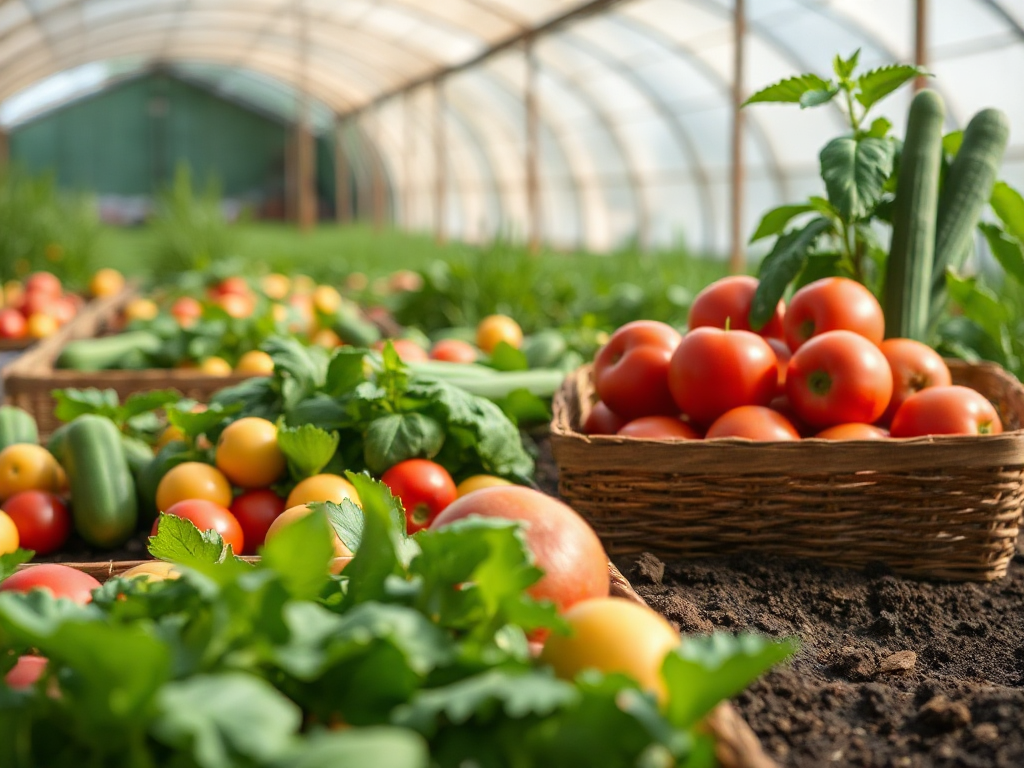
Organic farming can change vitamin levels in some crops, but it does not consistently make every fruit or vegetable more vitamin-rich. Differences arise from soil conditions, crop variety, maturity at harvest, weather, and the time and temperature between harvest and eating. Organic certification mainly describes production methods, not a guaranteed nutrient profile. A freshly harvested conventional tomato may contain more vitamin C than an older organic tomato, while improved soil management may support nutrient availability in some organic systems.
What Organic Farming Can Change in a Crop
Organic farming may influence vitamin levels through the way a crop receives nutrients, manages pests, and develops in the field, but the effect is not uniform. Organic production commonly relies on crop rotation, compost, manure, cover crops, and approved pest-management methods. Those practices can alter soil structure, microbial activity, water availability, and plant growth. Each change may affect the compounds a plant produces, including vitamin C, carotenoids, folate, and certain antioxidant compounds.
Plant nutrition does not work like a simple switch between organic and conventional. A tomato grown in an organic system still needs adequate nitrogen, phosphorus, potassium, water, and sunlight. If its soil is poorly managed or the plant experiences drought, nutrient development may suffer. Conversely, a carefully managed conventional farm can produce highly nutritious crops. The production label alone cannot reveal the vitamin concentration of a specific apple, carrot, or bunch of spinach.
Soil management is one plausible pathway. Compost and cover crops can contribute organic matter and improve water-holding capacity, while crop rotation may reduce pressure from particular pests and diseases. Healthier root conditions can help plants maintain growth during variable weather. Those benefits may indirectly support nutrient formation, but they do not guarantee higher vitamin levels. Soil fertility must still be balanced; excess or insufficient nutrients can affect plant size, maturity, flavor, and composition.
Consider two batches of kale. One may come from an organic farm with fertile soil and a short route to market. Another may be conventionally grown, harvested at a similar maturity, and sold the same day. Their vitamin C and folate levels could overlap substantially. A comparison based only on the label would miss harvest timing, cultivar, leaf age, and handling. Readers looking at Does organic farming change vitamin levels should treat the farming system as one influence among several, not as a nutritional guarantee.
Why Vitamin Results Differ Between Farms and Foods
Vitamin differences are strongly shaped by crop genetics, growing conditions, and maturity. Varieties bred for sweetness, transport durability, color, or disease resistance may have different nutrient profiles even when they are grown under the same production rules. A dark orange carrot, for instance, may contain more provitamin A carotenoids than a pale variety, while the growing system has less immediate explanatory power than the plant’s genetics.
Harvest maturity also changes the comparison. Some produce develops more color and flavor as it ripens, while other crops are harvested young for tenderness. Vitamin C can be sensitive to time, oxygen, heat, and physical damage. Folate and other water-soluble vitamins may decline during storage or cooking. Carotenoids behave differently and can sometimes become more available after cooking with a small amount of fat. These different behaviors mean that a single statement about “vitamin levels” is too broad without naming the nutrient and food.
Weather creates another source of variation. Heat, drought, excessive rain, and low light can influence plant metabolism and growth. Irrigation may protect a crop from water stress, but it does not make every harvest identical. Pest damage can also affect plant tissues and protective compounds. Organic farms may use nonchemical pest controls, resistant varieties, barriers, or biological methods; conventional farms may use different approved tools. The resulting nutrient profile depends on how successfully the entire system maintains healthy growth.
A weak assumption is that a higher price or more intense flavor proves higher vitamin content. Flavor can reflect sugar, acids, volatile compounds, cultivar, and harvest freshness, not necessarily a broad increase in vitamins. Likewise, a visually perfect vegetable may have spent longer in transit than a less uniform local item. When comparing foods, match the crop variety and preparation as closely as possible, then consider freshness and storage before attributing a difference to farming method.
For a useful comparison, record the food, variety if known, harvest or purchase date, storage conditions, and cooking method. Comparing organic baby spinach eaten quickly with conventional spinach stored for a week would test several variables at once. A fairer comparison uses similar maturity and handling. That approach produces a more realistic answer than relying on a generalized organic-versus-conventional claim.
Freshness, Storage, and Cooking Often Matter More
The interval between harvest and eating can alter the vitamins a person actually receives. Produce continues to respire after harvest, and exposure to oxygen, light, warmth, and moisture can accelerate quality changes. Leafy greens may lose crispness and some sensitive nutrients when held warm. Cut produce usually has more exposed surface area than an intact item. Organic status does not stop these processes, and conventional status does not automatically cause them.
Freshness therefore deserves priority when the goal is vitamin intake. A locally harvested organic pepper may be a strong choice if it is eaten promptly, but a frozen conventional pepper can also be nutritionally useful. Freezing typically occurs soon after harvest and can preserve nutrients better than prolonged room-temperature storage, although blanching and later cooking still affect the final result. Canned tomatoes provide a different example: heating may reduce some heat-sensitive vitamin C while making lycopene easier for the body to access, depending on the product and meal.
Storage decisions should match the food. Keep leafy greens cold and dry, use cut produce promptly, and avoid leaving delicate items in direct sunlight. Do not wash everything days in advance if excess moisture causes decay. Frozen vegetables are practical when fresh produce spoils before it is eaten. The best option is the one that survives the household’s schedule rather than the one that looks ideal at purchase.
Cooking changes the nutrient balance rather than simply making food “good” or “bad.” Steaming often limits contact with water compared with boiling. Boiling can move water-soluble vitamins into the cooking liquid, so using that liquid in a soup may retain more of the nutrient than draining it. Long, high-temperature cooking can reduce vitamin C and some folate, while gentle cooking may soften vegetables and make regular consumption easier. Raw is not automatically superior: cooked carrots and tomatoes illustrate why nutrient behavior differs by compound.
Common mistakes include treating a produce label as a freshness date, storing greens wet in a sealed container, and judging nutrition from color alone. A practical routine is to buy quantities that can be used within the expected storage window, combine fresh items with frozen or canned options, and vary preparation methods. Readers comparing vitamins in organic produce should compare the food as eaten, not just the food as harvested.
How to Make a Nutrient-Focused Buying Decision
Choose organic produce when its farming standards, environmental priorities, or reduced exposure to certain approved inputs align with your preferences, but do not expect the label to function as a vitamin assay. Nutrient-focused shopping works better when it combines variety, freshness, storage, and preparation. A household with a limited budget may gain more by buying a wider range of vegetables and fruits than by purchasing a smaller amount of organic produce and allowing it to spoil.
A simple decision sequence can keep the comparison grounded:
- Name the nutrient and food. Vitamin C in peppers, folate in leafy greens, and carotenoids in orange vegetables behave differently.
- Check freshness and form. Compare freshly harvested, frozen, canned, and long-stored versions on their actual use date.
- Consider preparation. Short steaming, quick sautéing, or using cooking liquid may preserve more value than prolonged boiling and draining.
- Build variety. Rotate colors and plant families instead of relying on one supposedly superior crop.
- Use the label for its intended purpose. Organic certification describes production requirements; it does not promise a fixed vitamin concentration.
For example, someone trying to increase vitamin C could compare fresh bell peppers, broccoli, citrus, and frozen vegetables based on price, availability, and how quickly they will be eaten. Someone seeking folate might choose leafy greens, legumes, asparagus, or fortified foods according to dietary needs. The farming system can be part of that choice, but it should not displace the broader food pattern.
Supplements require separate judgment. A varied diet may provide many nutrients, but people with diagnosed deficiencies, restricted diets, pregnancy-related needs, or absorption concerns may need individualized advice from a qualified clinician. Food labels and farming claims cannot diagnose a deficiency. Avoid using an organic purchase as a substitute for medical evaluation or prescribed treatment.
The most reliable sign that a shopping strategy is working is not a claim on the package. It is consistent intake of varied plant foods with little avoidable waste. If fresh organic greens repeatedly wilt, frozen greens may be a better nutritional and financial choice. If a family eats more vegetables when they are convenient and mildly cooked, that practical pattern may matter more than a small, uncertain difference between production systems.
Frequently Asked Questions
Does organic produce always contain more vitamins?
No. Some studies find differences for particular nutrients or crops, but results vary with cultivar, soil, maturity, weather, storage, and cooking.
Which factors may matter more than organic certification?
Freshness, variety, harvest maturity, storage temperature, and preparation often have a larger practical effect on the vitamins in the portion you eat.
Can organic soil management affect plant nutrition?
It can influence soil structure, water availability, and nutrient cycling, which may affect plant composition, but the outcome depends on farm management and crop conditions.
Are frozen vegetables a good alternative to fresh organic vegetables?
Yes. Frozen vegetables can be a practical choice when they are processed soon after harvest and stored properly, especially when fresh produce would spoil before use.
Does cooking destroy all the vitamins in vegetables?
No. Heat and water can reduce some sensitive vitamins, while cooking may improve texture and alter the availability of certain compounds. Method and duration matter.
Conclusion
Organic farming can influence the conditions under which crops develop, yet organic certification does not guarantee higher vitamin levels. Soil fertility, crop genetics, weather, maturity, transport, storage, and cooking all shape the nutritional value of the food on your plate. A sensible priority is to eat a broad range of produce in forms your household can use consistently. Choose organic when its production standards fit your values or preferences, then protect the food’s value through prompt refrigeration, sensible quantities, and gentle preparation. Frozen and canned options can be useful when they reduce waste or improve access. If you suspect a deficiency or have special nutritional needs, seek personalized clinical advice rather than relying on a farming label to answer a medical question.