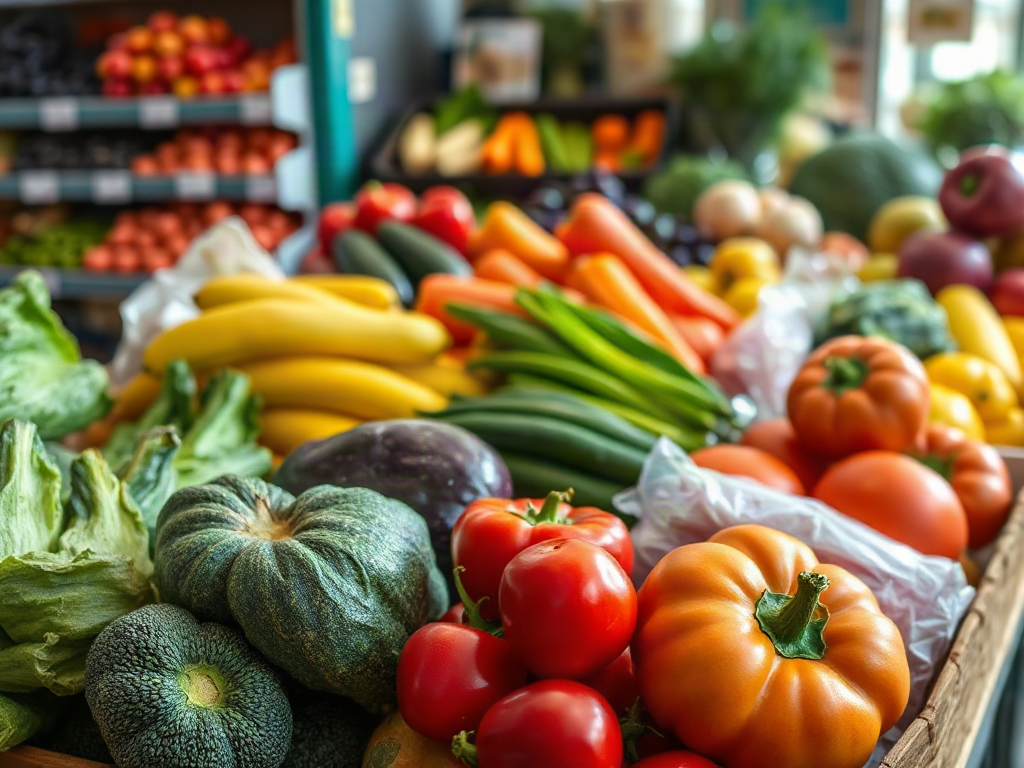
Produce shopping frequency and nutrient freshness are best managed by buying delicate items weekly, choosing sturdier crops for longer storage, and protecting each item from heat, moisture, light, and unnecessary cutting. Leafy greens, berries, herbs, and cut produce usually lose quality faster than carrots, cabbage, apples, citrus, or winter squash because their tissues are more fragile and their storage life is shorter. Freshness does not disappear on a fixed schedule: temperature, ripeness at purchase, handling, and storage conditions all influence nutrient retention. Shop more often when your household can use fragile produce quickly, but avoid frequent overbuying that leads to spoilage. Refrigerate suitable items promptly, keep ethylene-sensitive crops apart when practical, and prepare produce close to mealtime.
How Shopping Frequency Affects Freshness
Shopping frequency matters because harvested produce remains biologically active after it reaches the store or kitchen. Respiration, water loss, bruising, and exposure to heat gradually change texture, flavor, and some nutrient levels. The effect is not identical across the produce aisle. A bag of tender spinach may deteriorate within days, while a sound cabbage or winter squash can remain usable for much longer under suitable conditions.
A weekly shopping trip often works well for households that eat a mixture of delicate and durable items. It reduces the number of errands without forcing every item to survive for the same length of time. A shorter interval may make more sense when meals depend heavily on salad greens, fresh herbs, berries, or ripe tomatoes. The goal is not to shop as often as possible; it is to match the purchase interval to the speed at which the household can use each item.
Freshness and nutrient content are related, but they are not interchangeable terms. Produce may still contain valuable nutrients after losing crispness, and a slightly older carrot can be more useful than fresh greens that are purchased in excess and discarded. Water-soluble vitamins, such as vitamin C and some B vitamins, can be affected by prolonged storage and handling, while minerals and fiber are generally less vulnerable to ordinary storage time. Cutting, washing, cooking, and exposure to air can change the picture further.
A common mistake is treating the harvest date or shopping date as a precise nutrient deadline. Actual conditions are more informative: leaves that are wilted or slimy, berries that are leaking, and vegetables with extensive soft spots are losing practical quality. By contrast, firm texture, clean surfaces, and proper refrigeration usually indicate that an item remains suitable for its intended use. Use produce shopping frequency and nutrient freshness as a planning question rather than a rigid calendar rule.
Which Produce Needs Frequent Shopping
Delicate produce generally benefits most from frequent, smaller purchases. Leafy greens have a large surface area and lose water readily, while berries are easily bruised and can develop mold when moisture remains trapped in the container. Fresh basil, cilantro, mint, and other herbs may wilt quickly, especially if they are stored in a warm refrigerator or compressed beneath heavier items.
These foods are good candidates for a two-part shopping pattern: purchase a modest amount of fragile produce for immediate meals, then buy sturdier items that can carry the household through the rest of the week. For example, a shopper might choose greens and berries for the first few days, while relying on cabbage, carrots, apples, citrus, onions, or frozen vegetables later. This approach can preserve variety without assuming that every item has the same shelf life.
Ripeness also changes the decision. Fully ripe peaches, pears, avocados, and tomatoes may need prompt use, whereas firmer examples may offer more flexibility. Ripening at home is not automatically better, because some produce may never develop the desired flavor if harvested or purchased too early. Examine the item for bruises, mold, excessive softness, and dehydration rather than selecting only by color.
The frequent-shopping approach has limits. More trips consume time, transportation, and often money, and small packages can cost more per unit. It can also encourage impulse buying. A better test is whether the household regularly finishes a fragile item before it declines. If half a clamshell of berries is repeatedly discarded, buying a smaller container or choosing frozen berries may protect both the food budget and the nutrient value that would otherwise be lost to waste.
Use this short priority order when deciding what to buy first:
- Purchase fragile, ready-to-eat produce in quantities that fit the next few meals.
- Choose firm, durable items for meals planned later in the week.
- Use frozen or canned options when fresh versions cannot be consumed in time.
Storage Conditions That Protect Nutrients
Storage can matter as much as the number of days between shopping trips. Cold temperatures slow respiration and moisture loss for many vegetables, but not every item benefits from the same treatment. Leafy greens generally last longer when kept cold and protected from excess moisture, while potatoes are better kept in a cool, dark, dry location rather than exposed to refrigerator conditions that may affect their texture and flavor.
Moisture requires balance. Wet leaves packed tightly in a sealed container may deteriorate faster, yet produce that becomes dehydrated also loses quality. After washing, dry greens thoroughly and use a container or bag that limits crushing while allowing appropriate moisture control. Do not wash every item immediately if it will sit unused for several days; washing berries or other fragile produce too early can leave surface moisture that encourages spoilage.
Ethylene is another practical consideration. Some ripening fruits release this natural plant hormone and can accelerate changes in nearby sensitive vegetables. Keeping ripe bananas, apples, pears, or avocados separated from greens, broccoli, and other sensitive items may extend usable quality. Separation does not need to be perfect, but placing highly ripened fruit away from delicate vegetables is a sensible adjustment when storage space allows.
Cutting exposes more tissue to air and increases handling. A whole bell pepper or melon generally keeps longer than its cut counterpart, so prepare only the amount likely to be used soon. If cut produce is needed for convenience, store it promptly in a clean, covered container and use it according to its condition rather than assuming that refrigeration stops all deterioration. A common failure is preparing a large batch for the week without considering that the most perishable pieces will be eaten last.
Storage cannot restore nutrients or texture that have already been lost. It can, however, slow the processes that cause decline. Keep a simple observation log for a week: note which items remain crisp, which spoil first, and where they were stored. That information is more useful for future shopping decisions than a generic shelf-life chart because refrigerators, household temperatures, packaging, and handling habits vary.
A Practical Shopping and Use Plan
A workable plan begins with the meals most likely to be eaten, not with an idealized list of foods. Before shopping, check the refrigerator and identify produce that should be used within the next one or two days. Then select a combination of immediate-use items, medium-life ingredients, and dependable backup options. This reduces duplicate purchases and gives older produce a clear place in upcoming meals.
For a household that shops once each week, divide produce into use windows. Plan tender greens, herbs, ripe fruit, and berries early in the week. Schedule cabbage, carrots, citrus, apples, onions, and firm vegetables for later meals. Frozen peas, corn, spinach, or berries can fill gaps when a fresh item is unavailable or unlikely to be used in time. The plan is not a nutritional ranking; it is a freshness-management system.
Meal format affects waste as well. A large salad may use greens quickly, while a soup, stir-fry, roasted vegetable tray, or smoothie can accommodate produce that is no longer ideal for raw eating but remains sound. Wilted greens may be suitable for cooking if they are not slimy or spoiled. Soft fruit can sometimes be used in a cooked dish, but moldy or visibly spoiled produce should not be rescued by trimming casually.
Shoppers often focus on price per pound and overlook edible use. A low-priced large package is not economical if much of it is discarded. Compare the amount your household actually consumes with package size, expected storage time, and preparation effort. Someone who cooks every night may benefit from a larger purchase of sturdy vegetables; someone who eats irregularly may gain more from small quantities, frozen alternatives, or shelf-stable forms.
Linking shopping to a specific use improves results. Buy herbs for a planned sauce, greens for two identified meals, and fruit according to the number of snacks likely to be eaten. Signs the approach is working include fewer forgotten items, less liquid or mold in containers, and produce being used at its preferred texture. Signs it is failing include repeated overripe purchases, crowded storage, and a weekly need to discard items before cooking them.
For more context on planning around household habits, use this freshness-focused produce planning reference alongside your own observations.
When Fresh Is Not the Only Good Option
Fresh produce is valuable, but it is not automatically more nutritious in every real-world situation. Frozen vegetables and fruit are often practical when they prevent long storage at home, and canned produce can provide useful options when fresh items are expensive, unavailable, or consistently wasted. Processing may change texture and some nutrients, while freezing or canning can preserve a food in a usable form for longer than a household could manage with fresh ingredients.
The right comparison is often fresh and eaten versus an alternative that is actually consumed. A fresh bunch of spinach that becomes slimy has little practical value compared with frozen spinach used in a meal. Similarly, canned tomatoes may be more useful than fresh tomatoes purchased out of season and left unused. Check labels for added sodium or sugar when relevant, and choose plain versions when they fit the recipe and dietary needs.
Cooking also involves tradeoffs. Heat and water can reduce some water-soluble vitamins, but cooked vegetables may be easier to eat in meaningful portions. Steaming, microwaving with limited water, roasting, and quick sautés may preserve texture and reduce prolonged exposure to cooking water, although no method preserves every nutrient equally. The sensible priority is a varied pattern of produce in forms the household can prepare and finish.
Do not interpret nutrient freshness as a reason to reject produce that is slightly past its peak appearance. Firmness, smell, surface condition, and intended use provide better guidance than perfection. A carrot with minor surface dryness may work well in soup, while a leaking berry container should be handled promptly or discarded if spoilage is evident. A realistic freshness routine balances quality, safety, cost, convenience, and actual consumption.
For evidence-based storage and handling information, consult food-safety guidance from the USDA, produce storage material from university extension programs, and nutrition information from the NIH. These sources can help readers compare storage practices, preparation methods, and the role of fresh, frozen, and canned produce without relying on rigid freshness claims.
Frequently Asked Questions
How often should most households buy fresh produce?
Many households can manage a weekly trip by combining fragile items for early meals with durable produce for later meals. Shop more often when greens, herbs, berries, or ripe fruit routinely spoil before use.
Does produce lose nutrients immediately after it is picked?
Nutrient changes begin gradually, but the rate depends on the crop, temperature, handling, and storage time. Immediate loss is not a useful assumption; condition and storage history matter more.
Should all produce be refrigerated?
No. Many leafy vegetables benefit from refrigeration, while potatoes, some onions, and certain tropical fruits are better in cool, dry conditions. Follow item-specific storage guidance when available.
Is frozen produce less nutritious than fresh produce?
Not necessarily. Frozen produce can retain useful nutrients and may be a better practical choice when fresh food would be stored too long or discarded. Preparation and added ingredients still matter.
When should older produce be discarded?
Discard produce with mold, widespread decay, sliminess, foul odor, or other clear signs of spoilage. Minor wilting or dryness may be suitable for cooking when the item remains sound.
Conclusion
Produce shopping frequency works best when it follows perishability, meal plans, and storage capacity rather than a universal rule. Buy tender greens, herbs, berries, and ripe fruit in quantities that fit near-term use, then rely on durable crops and suitable frozen or canned alternatives for later meals. Refrigeration, moisture control, separation from ripening fruit, and delaying unnecessary cutting can preserve quality, but no storage method can compensate for repeated overbuying. Watch what spoils first in your own kitchen and adjust package sizes, shopping intervals, and meal timing accordingly. The practical target is not produce that remains perfect indefinitely; it is a steady supply that retains useful texture and nutrients long enough to be eaten.
Further Reading
Authoritative Sources
- Fresh Produce Care Guide | Maximize Freshness and Health
projectfoodbox.orgFresh produce begins losing nutrients after harvest. Temperature, moisture, and airflow determine how long it lasts. · Preserve vitamins and antioxidants ...
- Fresh, Refrigerated, or Frozen: Does it Really Matter? | 2023
tc.columbia.eduRefrigeration is a great option to extend shelf life, preserve freshness, and any losses in nutrient content are (generally) negligible!
- How Long Do Fruits and Vegetables Retain Their Nutrients
ccefm.comHowever, cooking and storing methods can help retain nutrients. Here's how: Limit storage time. Fresh is best when it comes to taste and ...
- Fresh vs Frozen Foods: Making Smart Choices in 2025
naturessoulshop.comResearch shows frozen produce often preserves vitamins better than fresh alternatives stored improperly. Convenience is reshaping food ...