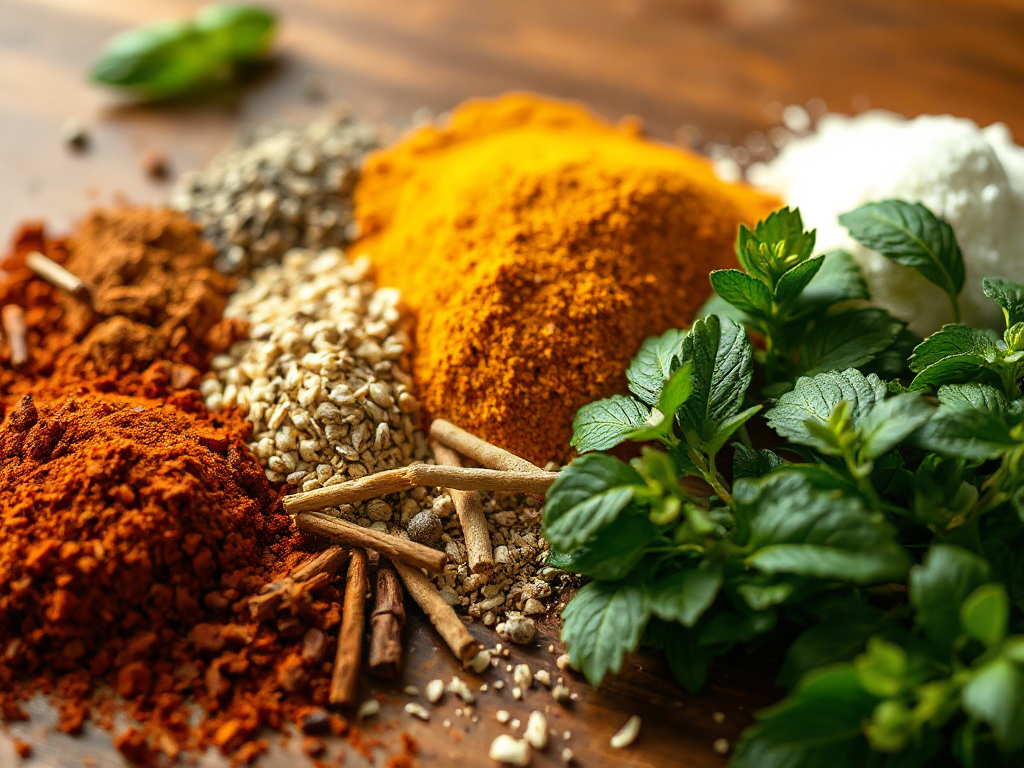
The benefits of organic spices and herbs include concentrated flavor, exposure-conscious ingredient choices, and access to plant compounds such as polyphenols, but they do not automatically make every meal healthier. Spices and herbs can replace some salt, sugar, or heavily processed sauces while adding aroma and culinary variety, and buying organic may reduce exposure to certain approved agricultural chemicals when the product is grown and handled under organic standards. The practical priority is freshness: stale ground spices provide less flavor than recently purchased whole spices, regardless of certification. People taking medication, managing allergies, or using large amounts in supplement form should treat culinary herbs differently from concentrated extracts and seek appropriate professional advice.
What Makes Organic Spices and Herbs Valuable
Organic spices and herbs matter most when they improve the quality of everyday meals without adding much sodium, sugar, or saturated fat. Cinnamon in oatmeal, oregano in beans, cumin in roasted vegetables, and fresh parsley over lentils can make simple food more appealing. That increased appeal has a practical consequence: a person may be more willing to cook vegetables, whole grains, legumes, and lean proteins when those foods taste distinctive rather than plain.
The organic label addresses production methods, not a guarantee of superior flavor or a medical outcome. Organic crops are produced under rules that restrict certain synthetic inputs and emphasize approved substances and farming practices. The exact value of choosing organic depends on the crop, the product’s origin, processing, and how often it is used. A jar of organic basil that has lost its aroma from long storage may be less useful in the kitchen than a fresher conventional jar.
Herbs and spices also bring variety without requiring a completely different cooking routine. A basic pot of chickpeas can take on very different character with smoked paprika and garlic, coriander and lemon, or rosemary and black pepper. Such substitutions can make it easier to reduce reliance on bottled sauces, seasoning blends, and cured ingredients that may contribute substantial sodium.
A weak assumption is that organic seasoning can compensate for an otherwise poor diet. It cannot. Sprinkling organic cinnamon on a sugary pastry does not erase the pastry’s sugar content, and organic chili powder does not make highly processed snack food equivalent to a balanced meal. The strongest benefit comes from using these ingredients as part of meals built around minimally processed foods.
Readers interested in the benefits of organic spices and herbs should judge them by three questions: Do they improve the meal’s flavor, do they fit the person’s budget and dietary needs, and are they fresh enough to use in a meaningful amount? Those questions produce better decisions than treating certification as the only quality signal.
Nutrition, Plant Compounds, and Realistic Health Expectations
Many spices and herbs contain naturally occurring compounds that contribute color, aroma, bitterness, pungency, or antioxidant activity in laboratory settings. Examples include polyphenols in cloves and oregano, volatile oils in rosemary and basil, and capsaicinoids in hot peppers. These compounds help plants defend themselves and create sensory qualities, but laboratory activity should not be translated into a promise that a kitchen-sized serving will treat disease.
Because typical portions are small, spices and herbs usually contribute more culinary value than major amounts of calories, protein, or vitamins. Fresh parsley can add vitamin K, and dried herbs may contain minerals in concentrated form by weight, but a pinch or tablespoon is not a substitute for vegetables, fruit, legumes, nuts, or other nutrient-dense foods. Their indirect nutritional value may be more important: strong seasoning can make a lower-sodium meal satisfying enough to repeat.
Consider two versions of a weeknight meal. One uses a commercial sauce, a salty seasoning packet, and little produce. The other uses tomatoes, onions, lentils, cumin, thyme, black pepper, and a small amount of olive oil. Organic spices do not transform the second meal through magic, but they can help the cook build flavor from whole-food ingredients. The health difference comes primarily from the overall meal pattern and the ingredients it replaces.
Evidence is mixed or limited for many claims involving concentrated spice supplements, extracts, and disease prevention. Culinary use is generally a different exposure from capsules or strong preparations. Concentrated products may interact with medicines, affect bleeding risk, alter blood sugar, or cause digestive symptoms in some people. Pregnancy, surgery, chronic illness, and medication use are reasons to ask a qualified clinician before using herbal products therapeutically.
Freshness also affects practical value. Ground spices gradually lose volatile compounds after opening, while whole seeds and bark often retain aroma longer when stored properly. If a spice smells dusty rather than recognizable, adding more may increase bitterness without restoring the intended flavor. Replacing an old jar can be more useful than switching labels.
Choosing, Storing, and Using Them Well
The best purchasing decision combines certification, freshness, packaging, and intended use. For frequently used ingredients, buy quantities that can be finished while the aroma remains clear. For rarely used spices, a small jar prevents months of decline. Whole cumin, coriander, fennel, peppercorns, and nutmeg can be ground as needed, although this requires a grinder and adds preparation time.
Organic purchasing may deserve higher priority for ingredients used often, eaten in larger amounts, or added directly at the end of cooking. Someone who uses oregano daily, brews large amounts of herbal tea, or regularly adds fresh cilantro may reasonably place more emphasis on growing methods than someone who uses a pinch of nutmeg twice a year. Budget limits matter: buying every spice organic is not necessary to obtain the culinary advantages of seasoning.
Store dried products in tightly closed containers away from heat, light, steam, and the stove. A cabinet near a kettle may expose jars to repeated moisture, encouraging clumping and reducing quality. Fresh herbs last longer when handled according to their structure: tender herbs such as cilantro can be kept cool with their stems in water and a loose covering, while hardy rosemary and thyme often tolerate refrigeration better when wrapped to limit drying.
A compact pantry check can prevent the most common failures:
- Smell the jar before using it; weak aroma signals declining quality.
- Check for moisture, insects, damaged seals, or unexplained clumping.
- Label opened packages with the purchase or opening month.
- Use clean, dry spoons rather than shaking jars over steaming pans.
- Add delicate fresh herbs near the end, while sturdier dried herbs often need time to release flavor.
Timing changes the result. Dried bay leaf, oregano, and thyme can contribute during simmering, whereas fresh basil, mint, and parsley usually retain more of their character when added near serving. Toasting some whole spices briefly can deepen aroma, but scorching them creates harsh flavors. The test is not whether a recipe contains many seasonings; it is whether each ingredient remains recognizable and balanced.
One common mistake is doubling a stale spice because the first amount seems ineffective. That approach can produce bitterness and waste. Try a fresh replacement, bloom ground spices briefly in oil when appropriate, and taste before adding more salt. Flavor should develop in stages rather than arrive as an overpowering powdery note.
Organic Versus Conventional: Practical Tradeoffs
Organic and conventional spices can both be useful, safe food choices when sourced, stored, and handled appropriately. Organic selection may appeal to people who want to limit exposure to certain agricultural chemicals or support farming systems that follow organic production rules. Conventional products may cost less, be easier to find, or offer a wider range of package sizes. Neither label alone establishes freshness, potency, fair labor conditions, or superior nutrition.
Spices deserve particular care because they are often dried, ground, blended, and transported through several stages before reaching a pantry. Contamination risks relate to handling and processing as well as farming. Buying from reputable retailers, keeping packages sealed, and following recall notices are sensible practices regardless of the label. A certified organic product is not exempt from ordinary food-safety considerations.
A useful budget strategy is selective upgrading. Choose organic for the herbs and spices used repeatedly, especially products added generously to meals, and use conventional options for occasional ingredients when the price difference would otherwise discourage home cooking. Prioritize freshness over a certification upgrade that leaves an old jar unused. The best pantry is one that supports regular preparation rather than one filled with expensive ingredients that expire unopened.
Tradeoffs also appear with dried versus fresh products. Dried herbs are convenient and available year-round, but their flavor is more concentrated and sometimes less bright. Fresh herbs can provide a stronger finishing aroma but spoil quickly and may cost more per usable portion. Frozen chopped herbs can be a practical middle option for sauces, soups, and cooked dishes, although texture may be unsuitable for garnishes.
Claims about organic products should remain proportionate. Choosing organic may align with personal environmental or exposure preferences, but it should not lead someone to avoid affordable produce, skip nutritious meals, or spend the food budget on seasonings while reducing intake of vegetables and legumes. For a broader perspective on the benefits of organic spices and herbs, compare the label with the entire food choice: ingredient quality, preparation method, serving pattern, and cost.
The approach is working when meals contain more varied plant foods, require less dependence on salty prepared sauces, and remain enjoyable enough to prepare consistently. It is failing when jars accumulate unused, seasoning masks spoiled ingredients, or concentrated herbal products replace needed medical care. Culinary herbs and spices are powerful flavor tools, not cures.
For reliable background, consult USDA information on organic labeling and production, the National Center for Complementary and Integrative Health for evidence and safety information on herbs, and university extension resources on herb storage and food preparation. These sources can help distinguish certified production claims from supplement marketing and offer more context for medication-related questions.
Frequently Asked Questions
Are organic spices more nutritious than conventional spices?
They are not automatically more nutritious. Both types can contain plant compounds, while freshness, portion size, processing, and the overall meal usually matter more for nutritional impact.
Can organic herbs help reduce salt intake?
They may help by adding aroma and complexity to beans, vegetables, grains, soups, and proteins, making less salty preparation more satisfying. They do not make every high-sodium food low in sodium.
How should dried spices be stored?
Keep them sealed in a cool, dry, dark cabinet away from steam and stovetop heat. Replace jars when their aroma becomes faint, dusty, or noticeably different.
Are fresh herbs better than dried herbs?
Neither is universally better. Fresh herbs suit finishing and bright sauces, while dried herbs are convenient for longer cooking and often provide concentrated flavor in small amounts.
Are herbal supplements the same as culinary herbs?
No. Supplements and extracts can deliver much larger amounts of active compounds and may interact with medicines or medical conditions. Ask a qualified healthcare professional before using them therapeutically.
Conclusion
Organic spices and herbs earn their place in the pantry primarily by making nutritious, minimally processed meals more flavorful and easier to enjoy regularly. Their plant compounds are relevant, but kitchen portions should not be presented as treatments or guarantees. Choose organic selectively when production methods matter to you, then give equal attention to freshness, reputable sourcing, safe storage, and sensible use. Whole spices can extend aroma, fresh herbs can brighten finished dishes, and well-chosen dried herbs can make economical staples taste complete. Start by replacing one heavily salted sauce or seasoning packet with a combination suited to the meal, then assess the result by flavor, cost, and how often you will actually use the ingredient. Keep concentrated supplements separate from ordinary cooking and seek professional advice when medication or illness is involved.