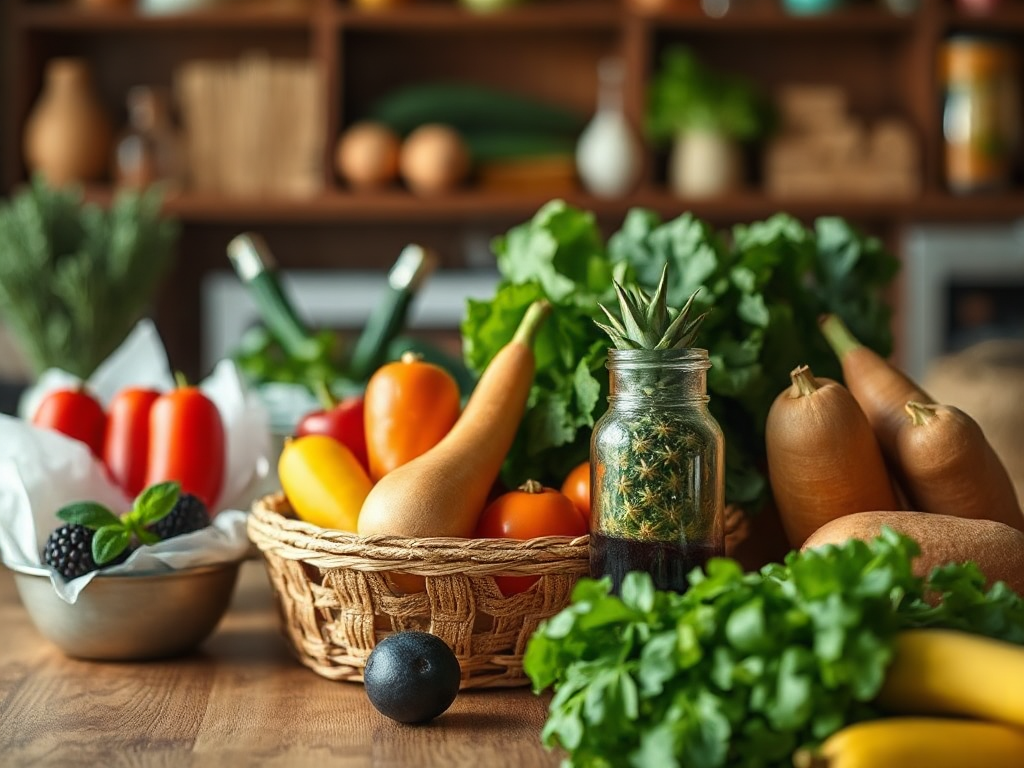
Incorporate more organic foods into your diet by replacing a few frequently eaten items first, prioritizing fresh produce and foods eaten with their skins, then expanding purchases as your budget allows. Compare certified organic labels with ingredient lists, because organic status does not automatically make a packaged food nutrient-dense or low in added sugar, sodium, or saturated fat. Use frozen and canned organic produce to reduce waste, choose store brands or seasonal options when prices are high, and build meals around beans, whole grains, vegetables, fruit, eggs, and other minimally processed foods. A gradual approach is usually more sustainable than replacing every grocery item at once, especially when availability and cost vary by location.
Set Priorities Before Changing Your Grocery Cart
A practical organic eating plan begins with the foods you buy and eat most often, not with an attempt to replace every item in the kitchen. Review a typical week and identify repeated choices such as apples, salad greens, milk, eggs, oats, or coffee. Choosing organic versions of two or three high-frequency foods creates a clearer change than buying a single specialty item occasionally.
Fresh produce is often the first place people look, but the decision should reflect the entire food. Foods eaten with their skins, including berries, apples, leafy greens, and some root vegetables, may be reasonable priorities for shoppers who want to reduce exposure to agricultural chemicals. Washing produce under running water remains useful, whether it is organic or conventional; organic certification does not mean food is free from all naturally occurring or approved crop-protection substances.
Budget and access should shape the order. A household with limited refrigerator space may gain more from organic frozen vegetables than from a large box of delicate fresh greens that spoils before it is used. Someone who already eats little produce should first increase the amount and variety of vegetables and fruit rather than spending the entire food budget on organic versions of highly processed snacks.
Use this short priority check before shopping:
- Which foods appear on the menu at least three times each week?
- Which items are eaten with the peel or outer leaves?
- Which organic options fit the available budget without displacing essential foods?
- Which products can be used before they spoil?
The useful comparison is not always organic versus conventional. It may be organic spinach versus no spinach, or frozen organic vegetables versus fresh vegetables wasted in the crisper. A gradual plan can improve food quality and reduce waste more effectively than an expensive, all-at-once conversion. For broader meal planning ideas, use this how to incorporate more organic foods into your diet resource as a planning reference rather than a reason to purchase foods you will not eat.
Build Organic Meals Around Affordable Staples
Organic meals become easier to afford when the foundation is made from minimally processed staples rather than premium convenience products. Organic beans, lentils, brown rice, oats, potatoes, carrots, cabbage, bananas, and seasonal produce can provide more usable meals per dollar than individually packaged organic snack foods. These foods also contribute fiber, carbohydrates, plant protein, vitamins, and minerals without requiring a specialized cooking system.
A useful meal structure is a protein-rich staple, several vegetables or fruit, and a whole-grain or starchy food. For example, organic oats can be combined with a banana, walnuts, and plain yogurt; lentils can be served with brown rice, roasted carrots, and leafy greens; eggs can accompany whole-grain toast and sautéed vegetables. Organic status describes production methods, while the overall nutrient profile depends on what the food contains and how the meal is assembled.
Cost comparisons become more favorable when you cook once and reuse ingredients. A pot of organic beans can fill tacos, soups, grain bowls, or salads. A tray of roasted vegetables can become a side dish, omelet filling, or lunch topping. Buying larger quantities only makes sense when the household has a plan for storage and use. Otherwise, the apparent unit-price saving may disappear through spoilage.
Packaged organic foods deserve the same scrutiny as their conventional equivalents. Organic cookies, sweetened cereals, chips, and sugary drinks may still contain substantial added sugar, sodium, or refined starch. Read the ingredient list and Nutrition Facts label, then compare serving sizes. Choosing an organic whole-grain cereal with little added sugar is a different decision from choosing an organic cereal whose main ingredients are sweeteners and refined grains.
If a full organic basket is not realistic, assign the budget to foods that anchor multiple meals. Buying organic lentils, oats, frozen vegetables, and apples may serve breakfast, lunch, dinner, and snacks, while an expensive single-use product contributes much less. The goal is a diet pattern with more nourishing foods, not a label on every item.
Shop Fresh, Frozen, Canned, and Packaged Options Wisely
Organic food does not have to be fresh to be a sensible choice. Frozen vegetables and fruit can be picked and processed close to harvest, remain available outside the growing season, and reduce the pressure to consume delicate produce immediately. Canned beans, tomatoes, pumpkin, and vegetables can also support quick meals, although shoppers should check for added sodium, sweeteners, and sauces.
Frozen produce works particularly well for households that cook irregularly. A bag of organic peas or spinach can be portioned into soups, pasta, scrambled eggs, or grain bowls without the trimming and washing required by fresh produce. The tradeoff is texture: frozen greens may be less suitable for a crisp salad, while frozen berries work well in oatmeal or smoothies. Select the form that matches the intended dish instead of treating fresh as automatically superior.
For canned foods, compare plain versions with seasoned products. No-salt-added beans give the cook more control, while canned tomatoes may contain salt that matters when they are used repeatedly. Draining and rinsing beans can alter their sodium content, but it does not turn a heavily seasoned prepared meal into a low-sodium food. Labels provide the practical answer.
Packaged organic foods require extra attention because the organic label applies to the product’s permitted ingredients and production standards, not to every aspect of the eating experience. A boxed organic dinner may be convenient but can differ greatly from a meal built from organic vegetables, beans, and whole grains. Convenience has value when it prevents skipped meals or takeout, yet it should be weighed against nutrient density, cost, and portion size.
Try a three-part shopping method: choose fresh items for meals planned within several days, frozen items for backup portions, and canned staples for fast protein or sauce components. A shopper who buys all three forms can maintain variety even when plans change. Store produce according to its needs, keep older items visible, and freeze suitable foods before quality declines. Signs the system is working include fewer emergency purchases, less discarded produce, and meals that can be assembled from what is already available.
Avoid Common Organic Shopping Mistakes
The most common mistake is treating the organic label as a complete nutrition judgment. Certification can distinguish production practices, but it does not guarantee that a product is low in sugar, high in fiber, minimally processed, or appropriate for a particular medical diet. A person managing diabetes, kidney disease, food allergies, or another condition should evaluate carbohydrates, minerals, allergens, and portions with guidance from a qualified clinician or registered dietitian rather than relying on the front label.
Another error is creating an unrealistic replacement list. Replacing every condiment, spice, packaged grain, dairy product, and snack in one trip can produce a large bill and decision fatigue. The household may then abandon the effort after a week. A better sequence is to change foods that are eaten frequently, maintain a few affordable conventional choices when needed, and reassess after the new routine feels ordinary.
Shoppers can also overbuy because organic products seem like a healthier justification for larger quantities. A family may purchase a large box of organic berries, use half, and discard the rest. Frozen fruit or smaller fresh packages may be more responsible. The relevant comparison includes price per usable serving, storage life, preparation time, and likelihood of consumption.
Do not assume that local, natural, or non-GMO means the same thing as certified organic. These terms can describe different attributes, and their meaning depends on the product and labeling rules. Read the actual package language and look for the certification information relevant to the product. Produce should still be washed, refrigerated appropriately, and handled safely.
When an organic purchase disappoints, identify the specific failure. Was the flavor poor, was the price too high, did it spoil, or did the food not fit the meal plan? Switch forms, brands, stores, or quantities before abandoning the entire approach. A costly fresh item may become practical as frozen produce; an expensive packaged snack may be replaced by organic popcorn kernels, oats, or fruit. Specific adjustments produce better results than vague loyalty to a shopping rule.
Turn Small Purchases Into a Sustainable Routine
Consistency comes from connecting grocery choices to meals already prepared in the household. Choose one breakfast, one lunch component, and one dinner ingredient to purchase organically for the next week. A sample plan might use organic oats and fruit at breakfast, organic beans in lunch salads, and organic frozen vegetables with dinner. Repeating these ingredients makes the change observable without requiring a new menu every day.
Keep a simple record for two or three shopping cycles. Note the purchase price, number of servings, waste, preparation time, and whether the food was actually enjoyed. This information is more useful than a general impression that organic food is always expensive. A seasonal vegetable may be a good fresh purchase in one month and a poor one later; a frozen alternative may reverse that calculation.
Households with different preferences should divide the plan rather than forcing identical choices. One person may prefer organic dairy, another may care more about produce, and children may reject unfamiliar foods. Introduce one change at a time and preserve familiar meal components. The objective is to increase exposure to organic foods while keeping meals acceptable and nutritionally varied.
Use a compact weekly checklist:
- Select two high-frequency items to buy organically.
- Add one affordable staple such as beans, oats, lentils, or frozen vegetables.
- Match fresh purchases to meals scheduled before spoilage is likely.
- Check added sugar, sodium, fiber, allergens, and serving size on packaged foods.
- Review waste and cost before expanding the list.
Evidence about differences between organic and conventional foods varies by food, production method, and outcome being measured, so expectations should remain measured. Organic choices may align with environmental, farming, or exposure preferences, but the strongest everyday dietary gains generally come from eating a varied pattern that includes vegetables, fruit, legumes, whole grains, nuts, and appropriate protein sources. A flexible routine is more likely to last than a rigid purity standard. The same principle applies when refining how to incorporate more organic foods into your diet: prioritize foods that improve the actual meals you eat.
Frequently Asked Questions
Which organic foods should I buy first?
Begin with foods you eat frequently, especially produce or staples that fit your budget and meal routine. Buying organic food that spoils unused is rarely a practical priority.
Is organic food always more nutritious?
Not necessarily. Nutrient content varies by food, variety, storage, and preparation. Organic certification describes production standards rather than guaranteeing a superior nutrient profile.
Can frozen organic vegetables count toward a healthier diet?
Yes. Plain frozen vegetables can be convenient, nutritious components of meals, particularly when fresh produce would be wasted or is unavailable.
How can I afford more organic groceries?
Prioritize a few high-use foods, compare store brands and seasonal prices, use beans and whole grains, and combine fresh purchases with frozen or canned options.
Does organic mean a packaged food is healthy?
No. Check the ingredient list and Nutrition Facts panel for added sugar, sodium, fiber, saturated fat, allergens, and serving size before deciding.
Conclusion
More organic food can fit into an ordinary diet without turning grocery shopping into an all-or-nothing project. Start with frequently eaten items, then build meals around affordable staples such as legumes, oats, whole grains, vegetables, fruit, and plain frozen or canned produce. Treat the organic label as one purchasing consideration, not a substitute for reading nutrition information or planning balanced meals. Track waste, cost, preparation time, and household acceptance for a few weeks; those observations reveal which changes are genuinely sustainable. If fresh organic berries spoil, try frozen fruit. If packaged organic snacks strain the budget, redirect that money to foods that serve several meals. A measured, meal-based approach makes organic choices more practical and keeps overall diet quality at the center.