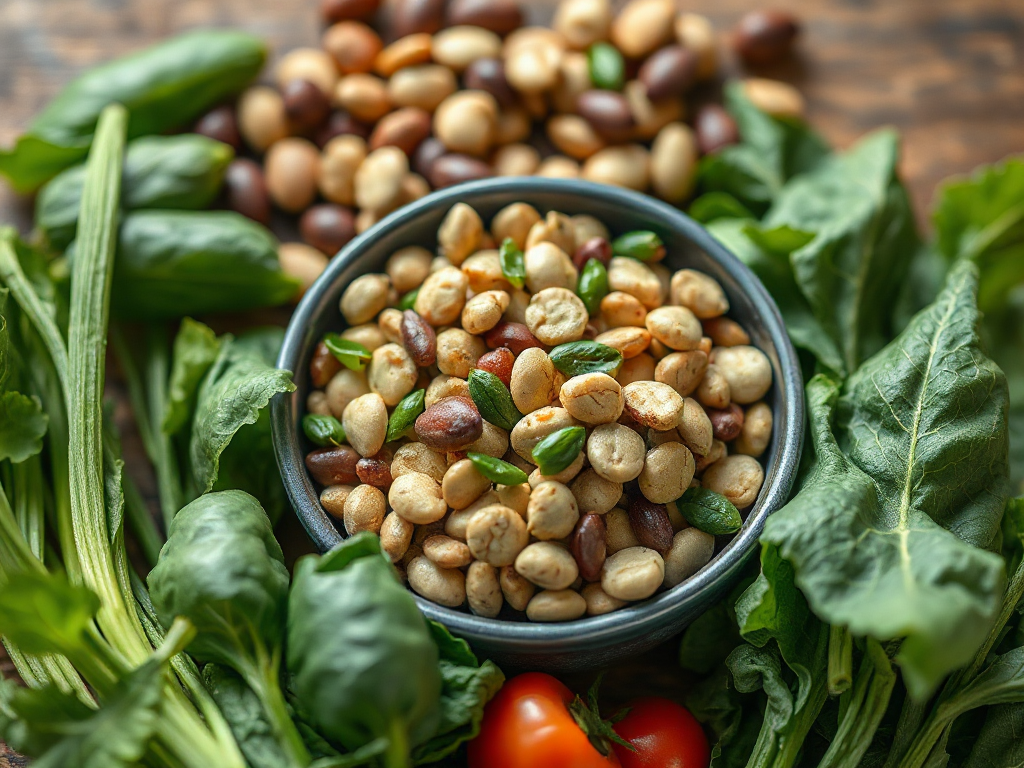
The best organic sources of plant-based iron include lentils, beans, tofu, tempeh, pumpkin seeds, sesame, leafy greens, and iron-fortified whole-grain foods, with vitamin C-rich produce improving non-heme iron absorption. Legumes and fortified foods usually provide the most dependable amounts, while seeds and greens add variety but may contribute smaller portions. Soaking, sprouting, fermenting, or thoroughly cooking beans and grains can reduce some phytates that limit mineral availability. Pair iron-rich meals with peppers, citrus, tomatoes, berries, or broccoli, and avoid drinking tea or coffee with the meal when maximizing absorption matters. Organic certification affects farming practices, not whether a food inherently contains more iron.
Which Plant Foods Deliver the Most Iron
Legumes, soy foods, seeds, and iron-fortified grains are generally the most useful foundation for a plant-based iron pattern. Lentils, chickpeas, kidney beans, black beans, white beans, tofu, and tempeh can supply meaningful iron in a normal serving while also contributing protein and, fiber. Organic versions may fit a preference for farming and production methods, but organic status alone does not make a food a richer iron source.
Seeds are valuable additions because pumpkin seeds, sesame seeds, tahini, hemp seeds, and chia seeds can raise the mineral density of a meal without requiring a large recipe change. Their limitation is portion size: a spoonful of tahini or a sprinkle of seeds adds iron, but it should not be treated as the sole source of daily iron. Dark leafy greens such as spinach, chard, kale, and collards contribute iron too, although their water content and serving size can make their practical contribution less predictable than a bowl of lentils or a serving of tofu.
Iron-fortified breakfast cereals, breads, and plant-based products can be especially dependable because the iron amount is listed on the Nutrition Facts label. Fortification varies widely, so checking the label is more useful than assuming every whole-grain product contains a substantial amount. Oats, quinoa, amaranth, and iron-containing whole grains can complement legumes, but they should be evaluated as part of the entire meal rather than ranked by reputation alone.
A practical priority list looks like this:
- Build around: lentils, beans, tofu, tempeh, or a clearly fortified grain product.
- Add regularly: pumpkin seeds, tahini, soy foods, quinoa, oats, and leafy greens.
- Use for variety: dried apricots, raisins, prunes, and other dried fruit, while remembering that they also contain concentrated sugars.
For shoppers comparing similar products, choose the organic option when its price and availability work for you, then compare the actual iron listing, serving size, sodium, added sugar, and protein. A canned organic bean may be more useful than an inexpensive dry bean that never gets cooked. Rinsing canned beans can reduce some sodium, though it does not remove their nutritional value.
How Preparation and Food Pairings Affect Absorption
Plant foods contain non-heme iron, and the body regulates its absorption differently from the heme iron found in animal foods. The amount absorbed depends on the food, the rest of the meal, the body’s iron status, and compounds that either support or hinder uptake. That makes meal composition more useful than judging one ingredient in isolation.
Vitamin C is the most practical pairing tool. Citrus, bell peppers, tomatoes, strawberries, kiwi, broccoli, and cabbage can help make non-heme iron more available when eaten in the same meal. Lentil tacos with tomato salsa and cabbage, tofu with broccoli and red peppers, or chickpea salad with lemon dressing are more strategically composed than a plain serving of legumes eaten alone. The point is not that vitamin C transforms every meal, but that an acidic, produce-rich component is a sensible way to improve the meal’s iron potential.
Phytates in legumes, grains, nuts, and seeds can bind minerals and reduce absorption. They are not harmful ingredients to eliminate; these foods remain valuable sources of fiber, protein, and other nutrients. Traditional preparation methods such as soaking beans, cooking them thoroughly, sprouting some grains or legumes, and fermenting foods such as tempeh may reduce phytate levels to varying degrees. Canned beans are already cooked, making them a convenient option when time matters.
Tea and coffee can interfere with non-heme iron absorption when consumed with an iron-focused meal because of their polyphenol content. Calcium-rich foods and supplements may also compete in some meal contexts. A person trying to improve iron intake does not necessarily need to avoid these foods; spacing tea, coffee, or a calcium supplement away from the meal may be a more realistic adjustment. Individual needs differ, particularly when a clinician has identified iron deficiency.
The common mistake is to chase a single “highest-iron” food while ignoring preparation and pairings. A large spinach salad with tea may be less useful than a lentil bowl with peppers and tomatoes, even though spinach is widely promoted as an iron food. Use the best organic sources of plant-based iron as building blocks, then improve the surrounding meal.
Building Organic Iron-Rich Meals for Real Life
An effective meal plan spreads iron-containing foods across the day instead of depending on one unusually large serving. Breakfast might combine iron-fortified oats or cereal with pumpkin seeds and berries. Lunch could use lentils, chickpeas, or black beans with tomatoes, peppers, and greens. Dinner can center on tofu, tempeh, or beans with broccoli and a grain. This structure also distributes protein and fiber, which may make the pattern easier to maintain.
Convenience changes the best choice. Dry beans can be economical, but they require soaking, cooking time, and storage. Canned organic beans cost more per cooked serving in some markets, yet they can prevent skipped meals. Frozen greens are often easier to use than fresh bunches and can be stirred into soups, pasta sauces, or grain bowls. Shelf-stable tofu, fortified cereal, tahini, and canned lentils can help when refrigeration, cooking equipment, or shopping frequency is limited.
Consider a quick weekday bowl: canned lentils, microwaveable brown rice, frozen broccoli, roasted red peppers, and a lemon-tahini dressing. The lentils provide the central iron contribution, broccoli and peppers add vitamin C, and tahini supplies seeds in a concentrated form. The same logic can be adapted to a bean chili with tomatoes, tofu stir-fry with peppers, or hummus with a vegetable-rich meal. Pairing does not need to be elaborate to be useful.
Organic purchasing also involves tradeoffs. If buying every ingredient organic makes a balanced diet unaffordable, prioritize the foods your household eats most often and preserve budget for legumes, fortified staples, and fresh or frozen vitamin C-rich produce. An organic label does not guarantee low sodium in canned beans, minimal sugar in cereal, or better iron absorption. Read the ingredient list and Nutrition Facts panel rather than using the label as a substitute for nutritional comparison.
Track signs that the approach is practical: meals are prepared consistently, legumes appear several times weekly, and each main iron source is paired with produce or another compatible ingredient. Signs that the plan needs revision include relying on tiny garnish portions, skipping meals because recipes are too complex, or replacing meals with large amounts of dried fruit. A sustainable pattern usually beats an ambitious plan that works only on weekends.
For recipe ideas, connect this topic with Best organic sources of plant-based iron and adapt the combinations to your normal breakfast, lunch, and dinner habits.
Common Mistakes and When to Seek Advice
Calling spinach the best iron food is an oversimplification. Spinach contains iron, but it also contains oxalates, and its cooked or raw serving size can differ substantially. Treat it as one component rather than the main strategy. Another weak assumption is that organic food automatically supplies more minerals. Soil, crop variety, processing, serving size, and fortification affect nutrition; certification describes production standards rather than guaranteeing a particular nutrient level.
Another mistake is taking iron supplements without confirming that supplementation is appropriate. Fatigue, weakness, shortness of breath, headaches, or pale skin can have multiple causes, and symptoms alone cannot establish iron deficiency. People with heavy menstrual bleeding, gastrointestinal concerns, pregnancy, a history of anemia, restrictive diets, or conditions affecting absorption may need individualized assessment. A clinician can interpret blood tests and determine whether diet changes, supplementation, or investigation of an underlying issue is appropriate.
Food-first planning is reasonable for many people, but it has limits. Dietary iron may not correct an established deficiency quickly enough, and high-dose supplements can cause gastrointestinal side effects or create risks when used unnecessarily. Children, pregnant people, and anyone taking medication or managing a chronic condition should obtain tailored advice before making major changes or adding supplements.
Use this short decision process when adjusting your diet:
- Identify the meals you actually eat and add one dependable source such as beans, lentils, tofu, tempeh, or a fortified grain.
- Add a vitamin C-rich food to that meal, especially peppers, tomatoes, citrus, berries, or broccoli.
- Move tea, coffee, or relevant supplements away from the meal if maximizing absorption has been recommended.
- Review symptoms, dietary adequacy, and medical history with a qualified professional rather than guessing from online food rankings.
That approach keeps organic preferences in perspective. The useful question is not whether one item has a perfect label, but whether the overall pattern provides regular iron sources, sensible pairings, enough energy, and an appropriate response to any medical concern. The Best organic sources of plant-based iron can support that pattern without replacing medical evaluation.
Frequently Asked Questions
Are organic beans higher in iron than conventional beans?
Not necessarily. Organic certification concerns production methods, while iron content varies with the crop, variety, processing, serving size, and growing conditions.
What is the most dependable plant-based iron source?
Lentils, beans, soy foods, and iron-fortified cereals or grains are dependable choices because they can provide meaningful amounts in realistic servings.
Does vitamin C really help with plant-based iron?
Vitamin C-rich foods can improve the availability of non-heme iron in a meal. Try peppers, tomatoes, citrus, berries, or broccoli alongside legumes or tofu.
Should tea and coffee be avoided on a plant-based diet?
No. If iron absorption is a concern, drinking them away from iron-focused meals may be a practical compromise because their polyphenols can inhibit absorption during the meal.
Can food alone correct iron deficiency?
Food may help support iron status, but confirmed deficiency may require a clinician's plan, testing, supplementation, or evaluation of blood loss or absorption problems.
Conclusion
A strong organic plant-based iron pattern rests on dependable staples rather than one celebrated ingredient. Make lentils, beans, tofu, tempeh, or fortified grains the anchor; use seeds and leafy greens to add variety; and include peppers, tomatoes, citrus, berries, or broccoli to create a more absorption-friendly meal. Cooking, soaking, sprouting, or fermenting may improve the way some foods are used by the body, while tea and coffee are best separated from iron-focused meals when absorption is a priority. Organic purchasing can reflect personal values, but it should not replace label reading or budget awareness. If symptoms or risk factors suggest deficiency, seek testing and individualized medical guidance instead of relying on food rankings or unsupervised supplements.