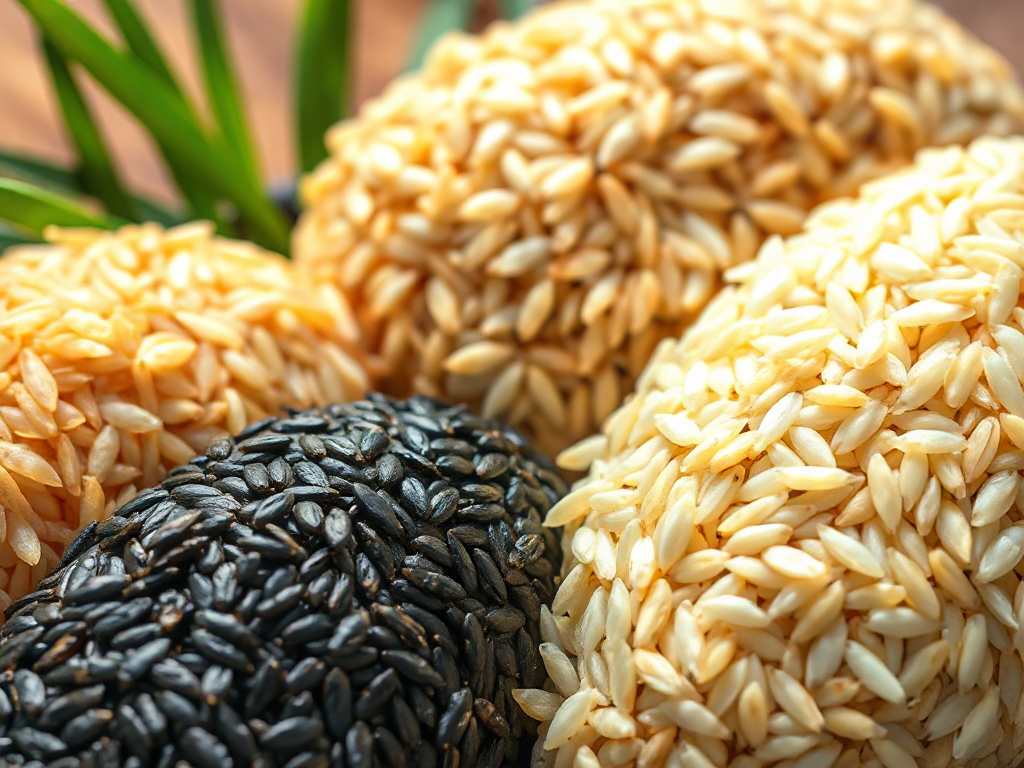
Organic rice varieties differ nutritionally mainly because of grain structure and processing, not because organic certification changes the rice’s basic nutrient profile. Brown and black rice retain more bran, so they generally provide more fiber and plant compounds than polished white rice, while red rice is also valued for its pigmented bran. Parboiled rice may retain more nutrients than standard milled white rice, and basmati or jasmine rice differ more in aroma, texture, and starch behavior than in broad vitamin content. Compare the rice’s whole-grain status, fiber, serving size, cooking method, and label details rather than assuming every organic variety offers the same benefit.
What Actually Creates Nutrition Differences Among Rice Varieties
Rice nutrition is shaped first by the grain’s outer layers and then by what happens during milling and cooking. A rice kernel contains a hull, bran, germ, and starchy endosperm. Milling removes the inedible hull and may also remove the bran and germ. When those nutrient-dense layers remain, the cooked rice usually has more fiber, minerals, vitamin E compounds, and naturally occurring plant chemicals than a comparable polished variety.
Organic certification addresses farming and handling standards; it does not automatically turn white rice into brown rice or guarantee a higher fiber content. An organic long-grain white rice can therefore have a similar broad nutrient profile to conventionally grown long-grain white rice. The meaningful comparison is usually whole grain versus refined grain, followed by variety, processing, and portion.
Color is a useful clue but not a complete nutrition label. Black and red rice obtain their color from pigments concentrated largely in the bran. These pigments include anthocyanin-type compounds in many dark rice varieties and other phenolic compounds in some red varieties. Their presence makes the rice distinctive, but it does not mean a small serving replaces a varied diet rich in vegetables, beans, fruit, nuts, and seeds.
A common mistake is treating the word “organic” as the primary predictor of nutrient differences. For a practical comparison, inspect whether the package says whole-grain brown, black, or red rice; check the fiber per serving; note whether the product is enriched; and compare cooked serving sizes. The rice variety and nutrition differences become clearer when these factors are separated instead of blended into one health claim.
Brown, White, Black, Red, and Wild Rice Compared
Brown rice keeps its bran and germ, giving it more fiber and a firmer, chewier texture than white rice. It commonly supplies more magnesium and other micronutrients per cooked serving, although exact values vary by cultivar, brand, and preparation. Brown rice is often a useful default when someone wants a whole-grain side dish that works with beans, roasted vegetables, or a grain bowl.
White rice has had the bran and germ removed, leaving mostly the endosperm. That makes it softer, quicker to cook, and often easier to digest for people who do not tolerate as much fiber in one meal. Some white rice is enriched after milling, which can restore selected nutrients, but enrichment does not recreate the original bran, germ, or fiber content. Choosing white rice is not a nutritional failure; it may be sensible when texture, budget, cooking time, or digestive comfort matters.
Black rice and red rice retain colored bran layers and are often more substantial sources of fiber and polyphenol compounds than polished white rice. Black rice can work well in a salad with citrus, herbs, and chickpeas, while red rice pairs naturally with roasted squash or lentils. Their darker color should not be interpreted as proof that they contain every nutrient in greater amounts. Protein, calories, and carbohydrate remain relevant, and a pigmented rice portion can still be excessive if the meal is otherwise low in vegetables or protein.
Wild rice is not botanically the same as common Asian rice; it is the seed of aquatic grasses. It tends to have a firm texture and can contribute more protein and fiber than many polished rice options, though package blends may contain mostly other grains. Read the ingredient panel when buying an organic wild rice blend. The first listed ingredient, cooking time, and actual fiber value tell more than the front-of-package color language.
Consider the tradeoff in a household meal: brown rice may offer more fiber, but white rice may be eaten consistently because it cooks faster and suits the family’s preferred texture. A half-and-half blend can provide a gradual transition, but it may require careful cooking because the grains soften at different rates. The best choice is the variety that adds useful whole-food nutrition while remaining practical enough to serve regularly.
How Processing, Cooking, and Serving Size Change the Picture
Processing can alter the nutrient comparison more than the organic label. Standard milling removes bran and germ, while parboiling partially moves some nutrients from the outer layers toward the kernel before milling. Parboiled rice may therefore retain more of certain nutrients than ordinary polished white rice, although it is still not equivalent to intact brown rice. Quick-cooking and instant products may also differ in texture and nutrient handling, so the package’s nutrition panel deserves attention.
Cooking changes water content, which makes cooked and uncooked numbers easy to misread. A dry serving expands as it absorbs water, so nutrients per cup of cooked rice are not directly interchangeable with nutrients per quarter cup of dry rice. If one person compares a small dry label serving with a large restaurant portion, the apparent variety difference may actually be a portion difference.
Cooking method affects the final meal as well. Boiling and draining can reduce some water-soluble nutrients, particularly when substantial cooking water is discarded. Using the recommended water ratio and avoiding unnecessary draining helps preserve the food’s intended texture and nutrient content. Cooling cooked rice and reheating it may change some starch behavior, but that does not cancel calories or make a large serving automatically low-impact.
Food safety matters more than small nutrient distinctions once rice is cooked. Cooked rice should not sit at room temperature for prolonged periods because bacteria can multiply in starchy foods. Refrigerate leftovers promptly in shallow containers and reheat them thoroughly. Organic status does not remove this risk, and rinsing raw rice is not a substitute for safe storage.
When comparing labels, use a compact checklist:
- Identify whether the rice is whole grain, refined, parboiled, or an instant product.
- Compare fiber and serving size using the same cooked or uncooked basis.
- Check whether a white rice is enriched and whether a blend contains other grains.
- Review sodium, added oils, flavor packets, and preparation instructions in packaged products.
A frequent misconception is that rinsing, soaking, or cooking one rice variety creates a dramatic nutritional transformation. These methods can affect texture, cooking time, and some nutrient retention, but they do not change refined white rice into a bran-rich whole grain. The nutrition comparison becomes more useful when processing and portion are evaluated alongside the grain name.
Choosing the Right Organic Rice for a Real Meal
Choose organic rice according to the meal’s nutritional gap, texture requirement, and preparation constraints. If the plate lacks fiber, brown, red, black, or wild rice may contribute more than polished white rice. If the meal already includes beans, vegetables, nuts, or seeds, white rice can provide a mild, easy-to-eat starch without making the entire dish heavy or chewy. A variety’s value depends on what surrounds it.
For a weeknight dinner, parboiled brown rice may be more practical than a slow-cooking heritage grain. For a cold salad, black or red rice can hold its shape and add color. For a mild dish served to children or someone recovering from stomach upset, soft white rice may be more acceptable. These are reasonable use-case decisions, not contradictions in nutrition advice.
Pairing also changes the quality of the meal. Rice supplies carbohydrate and modest protein, but it is not a complete meal by itself. Combine it with lentils, tofu, eggs, fish, poultry, or another protein source, then add vegetables and a source of unsaturated fat such as avocado, tahini, or olive oil. This approach improves overall nutrient coverage without requiring a specialty grain at every meal.
Portion awareness should remain practical rather than punitive. A large bowl of any rice, including black or red rice, can dominate a meal and displace vegetables and protein. Start with the serving that fits the meal, then adjust based on hunger, activity, and the rest of the plate. People managing blood glucose may find that a smaller rice portion paired with legumes, vegetables, and protein produces a more balanced meal, but individual responses vary and rice should not be treated as a medical treatment.
The weak assumption to avoid is that the most unusual or darkest rice must be the best choice. Price, cooking time, availability, taste, and household acceptance affect whether a food is eaten consistently. A dependable organic brown rice used several times a week may offer more practical value than an expensive black rice that remains unopened. Use the variety comparison as a decision tool, then prioritize the grain that fits the complete meal.
Frequently Asked Questions
Is organic brown rice more nutritious than organic white rice?
Usually, brown rice provides more fiber and retains more bran-associated nutrients because it is less milled. White rice may be enriched and can be easier to digest, so the better choice depends on the meal and the eater.
Do black and red rice contain more antioxidants?
Their colored bran commonly contains more polyphenol compounds than polished white rice, but amounts vary by variety and cooking. Color alone does not establish the overall health value of a meal.
Is basmati rice healthier than jasmine rice?
Neither is universally healthier. They differ mainly in aroma, texture, and starch characteristics; compare whole-grain status, fiber, portion, and the rest of the meal.
Does organic rice have more vitamins?
Organic certification does not guarantee a higher vitamin content. Milling, variety, soil, storage, enrichment, and cooking usually explain more of the nutritional variation.
How should cooked organic rice be stored?
Refrigerate cooked rice promptly in shallow containers and reheat it thoroughly. Organic labeling does not eliminate the food-safety risks associated with leaving cooked rice at room temperature.
Conclusion
The most useful rice comparison begins with the kernel’s structure: brown, black, red, and wild rice generally retain more of the layers that contribute fiber and plant compounds, while white rice offers softer texture and faster preparation. Organic certification describes production practices, not a guaranteed nutrient advantage. Check whole-grain status, fiber, enrichment, serving size, and packaged ingredients before drawing conclusions from a variety name or color. Use pigmented or brown rice when it fills a fiber-rich role, choose white or parboiled rice when convenience and texture determine whether the meal will actually be eaten, and pair any variety with vegetables and a meaningful protein source. A consistent, balanced plate matters more than selecting a fashionable grain.