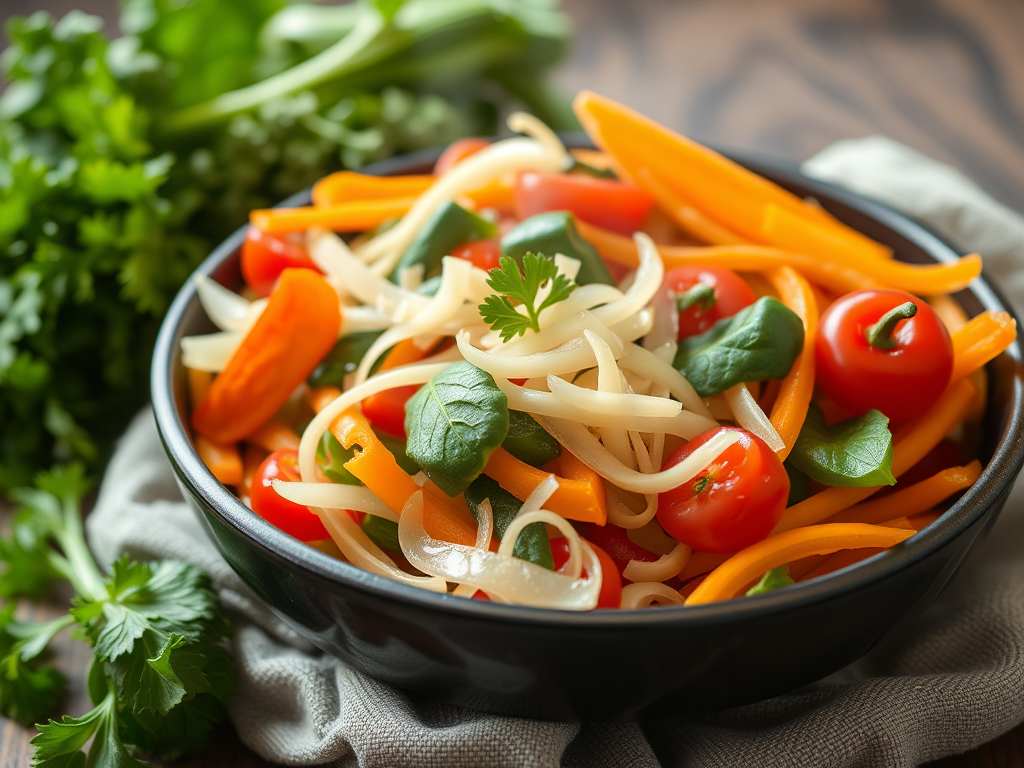
How cooking methods change organic vegetable nutrients depends mainly on heat, water, oxygen, and cooking time: steaming or microwaving often preserves water-soluble vitamin C and folate better than prolonged boiling, while sautéing can make carotenoids in carrots and tomatoes easier to use by adding heat and a little fat. Boiling may move some nutrients into the cooking water, but that liquid can still be used in soups or sauces. Organic certification does not prevent these cooking changes; the plant variety, freshness, cut size, temperature, and doneness matter more. Choose the method that matches the vegetable, keep cooking brief, and avoid discarding flavorful liquid when practical.
What Heat and Water Do to Vegetable Nutrients
Cooking changes vegetables through several processes at once. Heat softens cell walls, alters texture, reduces some enzymes, and can make certain plant compounds easier to release from the food matrix. Water can draw out water-soluble nutrients, while oxygen and long exposure may contribute to losses of sensitive compounds. The result is not simply “raw is best” or “cooked is best”; each method creates a different nutritional tradeoff.
Vitamin C and several B vitamins are especially vulnerable to a combination of heat and water. Cutting vegetables into small pieces before a long boil increases the surface area exposed to the cooking liquid, which may allow more of these compounds to leave the tissue. Broccoli, green beans, and leafy greens can lose some vitamin C when boiled for a long period, particularly if the water is drained. Using less water and shorter cooking times limits that pathway.
Other changes may move in the opposite direction. Heat breaks down rigid plant structures, so cooked tomatoes can provide more accessible lycopene than raw tomatoes in some meals. Carrots and pumpkin also become softer and easier to digest after cooking, and a small amount of oil can help disperse fat-soluble carotenoids. That does not mean every cooked serving automatically delivers more nutrition; overcooking can still reduce texture, flavor, and heat-sensitive vitamins.
Organic status mainly describes how a crop was produced and handled under organic standards. It does not make a vegetable immune to nutrient losses during steaming, boiling, roasting, or reheating. A fresh organic bell pepper may retain more vitamin C after brief steaming than after prolonged boiling, while an older pepper may have already changed during storage. For a broader look at How cooking methods change organic vegetable nutrients, evaluate the whole chain from harvest to plate rather than treating the organic label as a cooking instruction.
Comparing Steaming, Boiling, Microwaving, and Pressure Cooking
Steaming usually offers a strong balance between tenderness and nutrient retention because the vegetable is heated by vapor rather than submerged in a large volume of water. Broccoli florets, asparagus, and sliced carrots can cook quickly while losing less soluble material into a discarded liquid. The main failure mode is leaving the food over steam until it becomes dull, soft, and waterlogged. Aim for tender-crisp texture when the vegetable will be eaten immediately.
Boiling is practical for potatoes, corn, beets, and vegetables destined for soups, but it carries a clear nutrient-management issue: compounds that move into the water are lost if the liquid goes down the drain. Potato cooking water, for example, can contain dissolved nutrients and starch, although it should not be assumed to contain all the nutrients from the potato. Using the broth in a soup or sauce preserves more of the cooking environment than draining it away.
Microwaving can be nutrient-conscious when it uses a small amount of water and a short cooking period. It does not inherently destroy more nutrients than other heat methods; the outcome depends on time, temperature, moisture, and food size. A covered glass container with a tablespoon or two of water may cook green beans or spinach rapidly, but uneven heating can leave some pieces firm while others become limp. Stirring or rearranging halfway through improves consistency.
Pressure cooking reaches high temperatures and shortens the cooking period. That can be useful for dense vegetables such as winter squash or beets, yet the method may soften delicate produce too far if timing is not controlled. Pressure cooking is more defensible when the liquid is retained, such as in a stew. Compared with steaming, it is less suitable when the desired result is bright color and a firm bite. Readers comparing methods through cooking time and nutrient retention should prioritize the shortest method that produces the texture they actually want.
When Roasting, Sautéing, and Grilling Help or Hurt
Dry-heat methods concentrate flavor because they remove surface moisture and encourage browning. Roasting cauliflower, Brussels sprouts, onions, or sweet potatoes can make vegetables more appealing without relying on heavy sauces. The nutritional tradeoff is that prolonged high heat may reduce sensitive vitamins, and excessive browning can create a bitter or burnt exterior. Moderate heat, larger pieces, and checking early are more useful than simply following a fixed cooking time.
Sautéing is fast and adaptable. A small amount of oil transfers heat efficiently and may improve the use of fat-soluble compounds such as carotenoids in carrots, red peppers, and tomatoes. The oil does add energy, so “more oil” is not a nutrient requirement. A light coating is generally enough for the cooking purpose. Adding garlic or herbs near the end can protect their flavor from scorching and lets the vegetable remain the central food.
Grilling exposes vegetables to intense direct heat. Thick slices of zucchini, eggplant, peppers, and onions can develop a useful contrast between a browned surface and a moist interior. Thin slices burn before the center softens, while dripping oil can create flare-ups and blackened spots. Charred areas should not be treated as a sign of better cooking. Rotate pieces, use a cooler zone when needed, and remove them once tender rather than waiting for a heavily blackened crust.
Roasting and sautéing may preserve more nutrients that would otherwise enter boiling water, but they do not preserve everything equally. A roasted red pepper may retain a different nutrient profile from a briefly steamed one, and the final dish may include oil, salt, or a sauce that changes the overall meal. The practical comparison is not “dry heat versus water” in isolation; it is whether the method delivers acceptable texture with limited time, moderate heat, and little waste.
Choosing a Cooking Method for Specific Vegetables
The best method depends on the vegetable’s structure, water content, and the nutrients or compounds the meal is intended to emphasize. Tender greens usually need very little heat. Spinach, chard, and kale can be wilted in a pan or steamed briefly, then removed before they lose all structure. Their volume shrinks dramatically, which makes it easier to eat a larger amount, but portion size and the rest of the meal still determine nutritional value.
Dense roots need more time. Carrots, parsnips, beets, and sweet potatoes can be roasted, steamed, or pressure-cooked until a knife enters easily. Roasting brings sweetness and avoids a discarded cooking liquid, while steaming maintains a cleaner flavor and moist texture. If a child or adult avoids firm vegetables, a softer preparation may lead to more actual consumption than a theoretically optimal but uneaten raw salad.
Cruciferous vegetables illustrate why timing matters. Broccoli and cabbage can become sulfurous when overcooked, which often leads people to add rich sauces or abandon them altogether. Brief steaming or quick sautéing keeps more color and bite. Frozen broccoli may require a different cooking time from fresh florets because its tissue has already been blanched during processing. Treat the package instructions as a starting point, then adjust by texture rather than assuming fresh and frozen behave identically.
Tomatoes, peppers, and mushrooms also reward method matching. Gentle sautéing can concentrate tomatoes and release fat-soluble compounds into the dish, while raw tomatoes contribute freshness and a different texture. Mushrooms release water as they heat, so crowding the pan can cause steaming instead of browning. Organic vegetables still benefit from washing under running water and removing damaged areas; cooking method does not replace basic produce hygiene.
A useful rule is to match the method to the meal: use raw or lightly cooked vegetables when crunch and fresh flavor matter, steam delicate produce when water loss is a concern, and roast or sauté dense vegetables when flavor and softer texture will increase consumption. The related principles in vegetable preparation and nutrient choices are most useful when applied to the actual food on hand, not as rigid rankings.
A Practical Nutrient-Retention Kitchen Checklist
Nutrient retention improves when preparation is deliberate but not complicated. Begin by cooking vegetables soon after cutting rather than leaving small pieces exposed to air for long periods. Larger pieces generally expose less surface area, although they may require more time to cook. Choose the smallest amount of water that fits the recipe, and retain that liquid when it can become part of a soup, grain dish, or sauce.
Use texture as an operational signal. Bright color, a pleasant aroma, and a tender but not collapsed center usually indicate that the vegetable has not been pushed far beyond its useful cooking point. A grey-green color, mushy structure, scorched edges, or a strong burnt smell suggests excessive time or heat. Those signs do not provide a laboratory measurement of nutrient content, but they are practical warnings that quality has declined.
- For delicate produce: choose brief steaming, microwaving, or quick sautéing.
- For dense roots: roast, steam, or pressure-cook until tender, then stop promptly.
- For water-heavy methods: use the cooking liquid in the finished dish when appropriate.
- For fat-soluble compounds: pair vegetables with a modest amount of oil rather than avoiding all dietary fat.
- For leftovers: cool and refrigerate them promptly, then reheat only the portion being served.
A common mistake is treating a single nutrient as the sole measure of a meal. A raw carrot may preserve heat-sensitive compounds, but a cooked carrot may be easier to chew and combine with a balanced dish. Likewise, a boiled potato is not nutritionally disqualified because some material entered the water. The sensible priority is regular vegetable intake, varied colors and types, sensible cooking times, and preparation that makes the food enjoyable enough to eat consistently.
Frequently Asked Questions
Does cooking organic vegetables remove their nutritional value?
No. Cooking changes the nutrient profile rather than removing all nutritional value. Some vitamin C and folate may decline with prolonged heat and water exposure, while softened vegetables may become easier to eat and some compounds may become more available.
Is steaming better than boiling for nutrient retention?
Steaming often limits losses into water, especially for broccoli, greens, and other delicate vegetables. Boiling remains practical when the liquid is consumed in a soup or sauce, because fewer dissolved nutrients are discarded.
Does roasting destroy more nutrients than steaming?
Roasting uses higher, drier heat and may reduce some heat-sensitive vitamins, but it can preserve nutrients that would otherwise leach into boiling water. Avoid excessive browning and use the shortest roasting time that produces a tender center.
Should vegetables be eaten raw to get the most nutrients?
Not necessarily. Raw and cooked vegetables provide different advantages. Brief cooking can improve texture, digestibility, and access to certain plant compounds, while raw preparation can protect heat-sensitive nutrients.
Does organic produce retain nutrients better during cooking?
Organic certification does not determine how nutrients respond to heat, water, or time. Variety, freshness, cutting, cooking temperature, method, and whether liquid is discarded generally matter more for the final nutrient profile.
Conclusion
Cooking method should be chosen according to the vegetable, the meal, and the texture people will actually eat. Brief steaming or microwaving is a practical choice for tender produce when limiting water loss matters; roasting and sautéing can bring out flavor and support the use of carotenoid-rich vegetables with a modest amount of oil; boiling works well when its liquid becomes part of the dish. Organic status remains relevant to production practices, but it does not override the effects of heat, water, oxygen, and time. Cut vegetables shortly before cooking, avoid unnecessary water and prolonged heating, retain useful cooking liquid, and vary raw and cooked preparations across the week. That approach protects quality without turning nutrient retention into an inflexible rule.
Further Reading
Authoritative Sources
- Effect of different cooking methods on the content of vitamins ...
pmc.ncbi.nlm.nih.govThis study evaluated the effect of different cooking methods including blanching, boiling, microwaving and steaming on the content of vitamins in vegetables ...
- How Cooking Affects the Nutrient Content of Foods
healthline.comSteaming is one of the best cooking methods for preserving nutrients, including water-soluble vitamins, which are sensitive to heat and water.
- Does Cooking Vegetables Change Their Nutritional Value?
sharp.com“How they are altered depends on the vitamin or mineral. While some vitamins can be degraded, some can actually be improved by heating them.”
- Cooking Methods: How Do They Affect Your Food and ...
dielen.frTemperature, duration, and method: how you cook your food can alter its nutrient content, digestibility, and even its overall nutritional value. Without getting ...