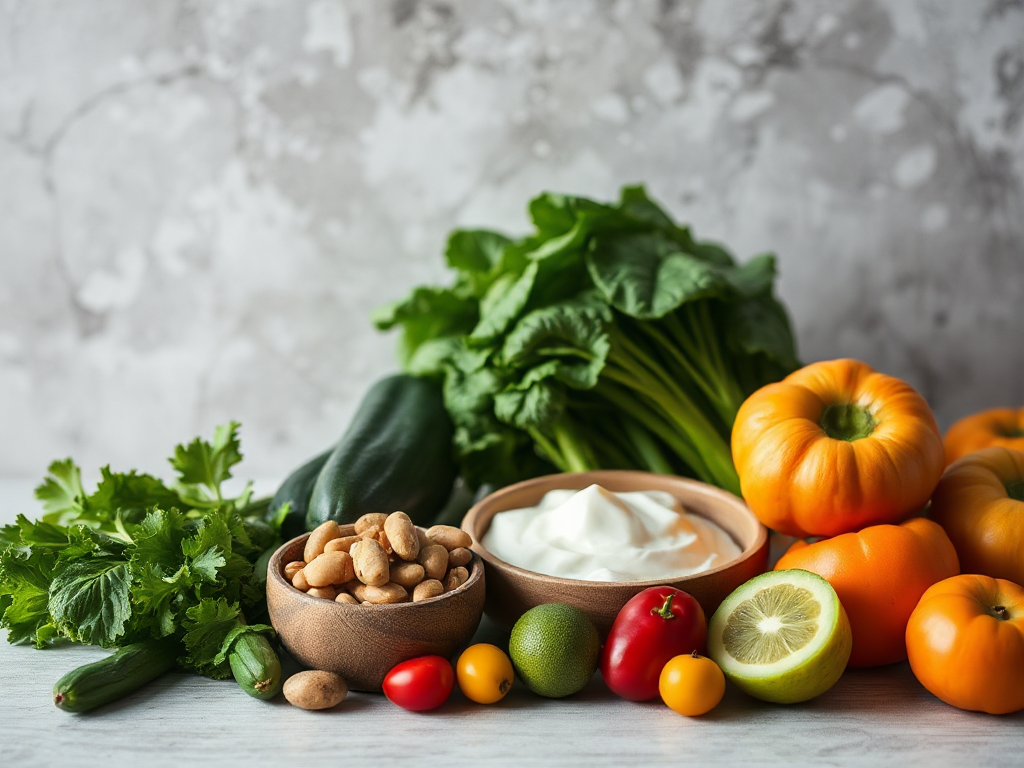
Combine organic produce for better satiety by pairing high-fiber vegetables or fruit with a protein-rich food and a modest source of unsaturated fat. Beans, lentils, tofu, eggs, or plain yogurt can slow digestion alongside leafy greens, cruciferous vegetables, berries, or apples, while avocado, nuts, seeds, or olive oil add staying power. Use whole produce rather than juice because intact fiber contributes more texture and volume. A common mistake is building a large salad from watery vegetables alone; it may look substantial but leave hunger returning quickly. Portion size, food texture, cooking method, and individual energy needs still influence how satisfying the meal feels.
Why Produce Pairings Affect Fullness
Organic produce can contribute substantial volume, water, fiber, and texture, but vegetables and fruit do not automatically create a lasting sense of fullness when eaten alone. A plate of cucumber, lettuce, and tomatoes may be refreshing yet relatively light in protein and energy. Hunger may return soon, especially after a physically active morning or when the meal replaces a more substantial lunch.
Satiety is shaped by several interacting features: protein, fiber, fat, meal volume, chewing time, and how quickly the food is consumed. Fiber from broccoli, pears, raspberries, carrots, and beans can add bulk and slow the movement of food through the digestive tract. Protein from lentils, chickpeas, tofu, eggs, fish, or unsweetened dairy supplies a more substantial anchor. Fat from walnuts, pumpkin seeds, avocado, or olive oil can make a meal more satisfying, although adding large amounts of calorie-dense foods may not suit every goal.
The useful principle is not to find a single “fullness food.” It is to combine contrasting food characteristics. Crisp raw vegetables can add volume and chewing, while cooked beans or roasted squash make a meal feel denser. A fruit snack becomes more substantial when paired with nut butter or plain yogurt rather than eaten as juice or a handful of dried fruit.
Organic certification addresses production practices, not a special satiety effect. An organic apple and a conventionally grown apple have broadly similar roles in a fullness-focused meal. Choose organic when it fits your values, availability, and budget, but prioritize the overall combination, adequate portions, and minimally processed ingredients. The how to combine organic produce for better satiety question is therefore mainly a meal-design question, not a label-only question.
Build a Satiety-Focused Plate
A practical plate begins with produce for volume and variety, then adds a clear protein source and a measured fat source. This structure works better than treating a large serving of vegetables as a complete meal. For lunch, try two handfuls of leafy greens and roasted vegetables with lentils, then add tahini-lemon dressing. For dinner, combine steamed broccoli and peppers with tofu, brown rice, and sesame seeds. Each component contributes something different: bulk, chew, protein, carbohydrate, or fat.
Protein deserves deliberate attention because produce alone usually provides only modest amounts. Legumes are especially useful because they combine protein with fiber. Edamame, black beans, and lentils can make a vegetable bowl more sustaining without requiring meat or dairy. If you eat animal products, eggs, canned fish, chicken, or plain Greek-style yogurt can serve the same anchoring role. The best choice depends on preference, allergies, dietary pattern, cost, and cooking time.
Fiber works through both physical bulk and slower digestion, but increasing it abruptly can cause bloating or discomfort. A person who rarely eats beans may tolerate a smaller serving of lentils with cooked vegetables better than a very large raw salad topped with several types of legumes. Drinking enough fluid and increasing high-fiber foods gradually may make the transition easier, though persistent digestive symptoms deserve individualized medical advice.
Fat should improve the meal’s texture and satisfaction rather than dominate it. A spoonful of olive-oil dressing, a small portion of avocado, or a scattering of seeds may be enough. Compare that with a salad covered in a large amount of creamy dressing: the latter may be filling, but it can shift the meal away from the produce-centered balance you intended. A useful check is whether the plate contains a recognizable protein, several forms of produce, and a fat source you can portion consciously.
Practical Organic Produce Combinations
Different combinations suit different eating situations. A breakfast built around organic berries can include plain yogurt, chia seeds, and oats. The berries provide color, flavor, and fiber; yogurt contributes protein; oats and chia add additional texture and fiber. If dairy is not suitable, fortified soy yogurt or silken tofu can provide an alternative, although products vary in protein content and added sugar.
For a portable snack, pair an apple or pear with a small portion of almonds, walnuts, or sunflower-seed butter. Whole fruit generally offers more chewing and fiber than juice, while the nuts or seed butter provide fat and some protein. A common mistake is substituting a large serving of dried fruit for whole fruit and assuming the result will feel equally filling. Dried fruit is easy to eat quickly because water has been removed, so portion awareness matters.
At lunch, combine shredded cabbage, carrots, roasted sweet potato, and chickpeas with a yogurt-herb or tahini dressing. Cabbage and carrots hold their texture, sweet potato supplies carbohydrate, and chickpeas make the bowl more substantial. For a lower-preparation option, use frozen organic vegetables, canned beans rinsed under water, and a whole-grain pouch. Frozen produce can be a practical choice because it reduces spoilage and preparation time; “fresh” is not the only route to a nutritious meal.
Dinner can use a simpler formula: one or two cooked vegetables, a protein, and a source of carbohydrate or fat. Try roasted cauliflower with lentils and quinoa, or sautéed greens with tempeh and brown rice. If the meal leaves you hungry within an hour, first examine the protein and total portion rather than adding more low-calorie raw vegetables. If it feels overly heavy, reduce the added fat or starch while preserving the protein and produce.
Flavor also affects whether a meal is satisfying over time. Acid from citrus or vinegar, herbs, spices, and a small amount of salt can make vegetables more appealing, which may support consistent use of the pattern. Flavor does not compensate for a missing protein source, but it can prevent the plan from becoming so bland that convenience foods replace it.
Mistakes, Portions, and Real-World Adjustments
The most common failure is confusing volume with completeness. A bowl can be physically large while providing little protein or usable energy. Another mistake is adding several “healthy” toppings without noticing how quickly nuts, seeds, oils, cheese, and dressings accumulate. Satiety and calorie density are related but not identical: a meal can be satisfying at a moderate portion, while a very energy-dense meal may exceed a person’s needs without producing proportionally greater fullness.
Raw produce is not automatically better than cooked produce. Raw vegetables often provide crunch and require more chewing, while cooked vegetables may be easier to eat, digest, and combine with beans or grains. Someone with a sensitive digestive system may do better with roasted zucchini, carrots, and peeled potatoes than with a very large raw cruciferous salad. Cooking also changes texture and volume, so compare portions in the form you actually eat rather than relying on a raw-food estimate.
Timing changes the best combination. A light fruit-and-yogurt breakfast may suit a sedentary morning, whereas a person facing several hours of physical work may need oats, eggs, or a larger legume-based meal. An afternoon snack of carrots alone may be inadequate if dinner is late; adding hummus or edamame may reduce the urge to eat rapidly later. These adjustments are not evidence that one combination is universally superior. They reflect differences in appetite, activity, schedule, and total intake.
Use these checks when a meal is not working:
- Hunger returns quickly: increase the protein or include a more substantial carbohydrate source.
- The meal feels too heavy: reduce oil, creamy dressing, or oversized portions while keeping vegetables and protein.
- Bloating appears: reduce the sudden fiber jump, try cooked produce, and introduce legumes gradually.
- Cravings follow a bland meal: improve seasoning and texture instead of relying on extra toppings.
Organic choices can also create budget pressure. Spend more selectively on foods you eat frequently, and use seasonal produce, frozen vegetables, dried lentils, and canned beans to keep the pattern realistic. A consistent mixed meal is more useful than an ideal organic shopping list that leads to waste.
A Simple Plan for More Satisfying Meals
Start by upgrading one meal rather than redesigning the entire diet. Choose the meal most likely to trigger early hunger, then build it around three questions: Which produce supplies volume and fiber? What is the main protein? Which modest fat or carbohydrate component makes the meal workable and enjoyable?
A useful seven-day experiment might rotate combinations without requiring elaborate recipes. Use berries with yogurt and oats one morning, a chickpea and vegetable bowl for lunch, and roasted vegetables with tofu or fish at dinner. Keep notes on hunger two to three hours later, digestive comfort, energy, and whether the meal was easy enough to repeat. The goal is not to rank foods permanently; it is to identify combinations that fit your routine.
Prioritize whole produce over juice, include a visible protein source, and adjust fiber gradually. If you are managing diabetes, kidney disease, gastrointestinal illness, food allergies, or a medically prescribed diet, broad satiety advice may need modification. A registered dietitian or clinician can help adapt portions and food choices without assuming that every high-fiber or high-protein option is appropriate.
Meal preparation can be modest. Wash sturdy produce, cook one batch of lentils or beans, and keep a few ready-to-use options such as frozen broccoli, prewashed greens, or plain yogurt. Pairing convenience with quality prevents the common all-or-nothing pattern in which a complicated plan succeeds briefly and then disappears. For more meal-building context, use this produce-pairing framework alongside your own appetite and schedule observations.
Frequently Asked Questions
Does organic produce keep you fuller than conventional produce?
Organic certification itself is not known to create a distinct satiety effect. Fullness depends more on fiber, protein, fat, portion, texture, and whether the food is whole rather than juiced.
What protein pairs well with vegetables for satiety?
Lentils, beans, chickpeas, tofu, tempeh, eggs, fish, chicken, and plain high-protein yogurt can all anchor a produce-rich meal. Choose according to dietary needs, tolerance, cost, and preparation time.
Are raw vegetables more filling than cooked vegetables?
Raw vegetables may encourage chewing and provide crunch, while cooked vegetables can be easier to digest and combine with protein. Neither form is universally more filling; the complete meal matters more.
Why does a large salad sometimes leave me hungry?
Many salads contain plenty of water and low-calorie vegetables but little protein, carbohydrate, or fat. Add beans, tofu, eggs, fish, whole grains, seeds, or a measured dressing to make the meal more substantial.
How can I increase produce without causing digestive discomfort?
Increase fiber gradually, use cooked vegetables, introduce legumes in modest portions, and observe which foods trigger symptoms. Ongoing or severe digestive problems should be discussed with a qualified clinician.
Conclusion
A satisfying produce-based meal needs structure, not simply more vegetables. Keep whole fruit and vegetables as the volume foundation, add a dependable protein such as beans, tofu, eggs, or yogurt, and use nuts, seeds, avocado, or olive oil in an amount that fits the meal. Cooked and raw produce can both work, and frozen or canned ingredients may be the most practical choices when time and budget are limited. Watch what happens after eating: quick hunger suggests the meal needs more substance, while bloating may call for slower fiber increases or gentler cooking methods. Organic purchasing can remain part of your values and routine, but the lasting satiety benefit comes primarily from the combination and portion. Test one meal this week, record how it feels, and refine the pairing rather than chasing a perfect formula.
Further Reading
Authoritative Sources
- Healthy Fats and Protein: Why They're Better Together
tracyhoule.comThat's because fats and proteins together slow digestion, keeping you fuller for longer. This combination prevents blood sugar spikes and crashes, meaning no ...
- How to Add More Fiber, Protein, and Antioxidants to Your Plate
experiencelife.lifetime.life“Instantly add fiber to a meal by stirring in a quick-cooking whole grain toward the end of a favorite soup recipe,” she says. Quick-cooking ...
- Food Synergy 101: How Smart Food Pairing Supports Better ...
performancelab.comPractical combinations for health goals: pair vitamin C with iron-rich foods for energy, combine protein + fat + fiber for weight management, or ...
- Food Combining: Do Compatible Foods Improve Digestion?
nutrisense.ioIn fact, eating a balanced meal that combines complex carbohydrates with protein and healthy fats helps slow down digestion and stabilizes your ...