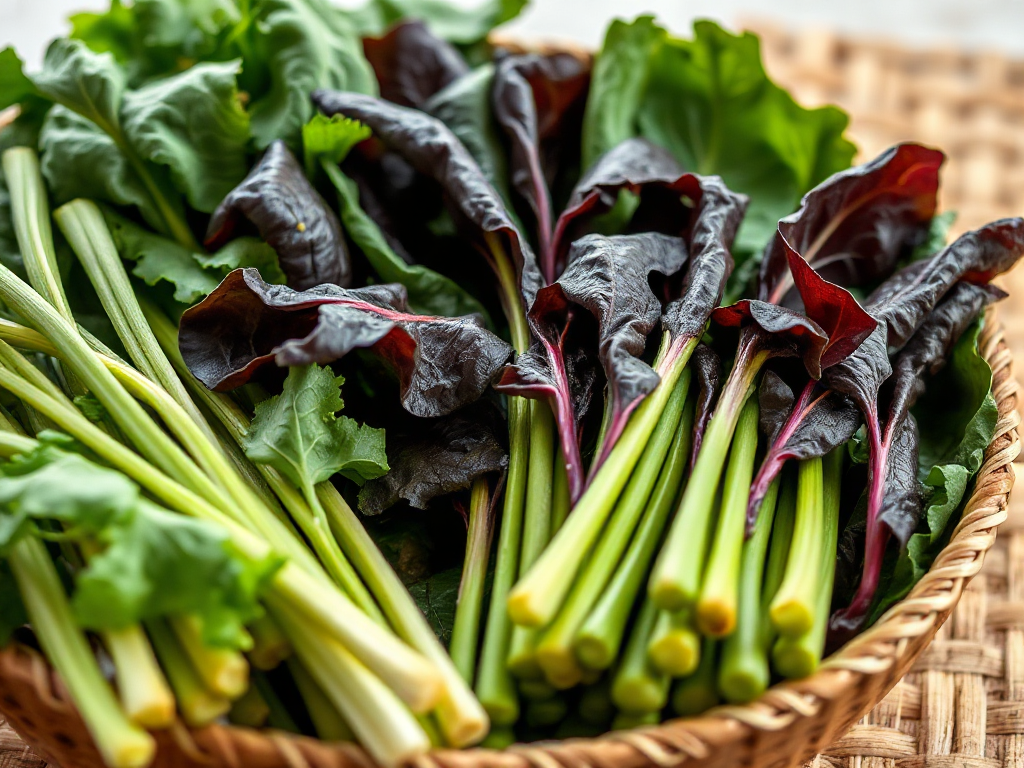
How cooking organic greens affects nitrate levels depends mainly on the cooking method, water contact, time, and whether the cooking liquid is discarded. Boiling or blanching can lower nitrate content because some nitrate moves from the leaves into the water, while steaming, microwaving, and sautéing usually retain more because they use little or no water. Organic certification does not by itself determine the final nitrate level; plant variety, growing conditions, harvest timing, and storage also matter. For a lower-nitrate serving, briefly boil or blanch the greens, drain the water, and avoid reusing it in a soup or sauce. People with kidney, heart, or medication-related concerns should seek individualized clinical advice rather than relying on cooking changes alone.
Where Nitrate in Leafy Greens Comes From
Nitrate is a naturally occurring nitrogen compound that leafy plants use as part of their growth process. Spinach, arugula, chard, beet greens, lettuce, and several types of kale can contain more nitrate than many other vegetables because their broad leaves efficiently take up nitrogen and sunlight helps convert that nitrogen into plant tissue. The amount in a particular serving is not fixed. Soil fertility, light exposure, plant variety, season, irrigation, harvest maturity, and the part of the plant being eaten can all shift the level.
Organic status does not automatically mean that greens contain little or no nitrate. Organic farming restricts certain inputs and follows production standards, but plants still need nitrogen and can accumulate nitrate under suitable growing conditions. Conventional and organic greens may overlap considerably in nitrate content. A label therefore tells you about the production system, not a guaranteed chemical profile.
Plant nitrate is also different from the broad idea that every nitrate exposure is harmful. Nitrate from vegetables arrives with water, fiber, vitamin C, folate, potassium, and other plant compounds. The body handles a whole leafy vegetable differently from a concentrated ingredient or a heavily processed food, so nitrate quantity alone does not provide a complete nutrition judgment. People with a medical reason to monitor potassium, fluid, or nitrate-related intake may need advice tailored to their condition.
A useful comparison is between raw and cooked volume. A large bowl of raw spinach collapses dramatically when heated, meaning cooking can make it easier to eat more leaves in one sitting. Even if a method removes some nitrate, a very large cooked portion may still deliver a substantial amount of the original plant material. Portion size, preparation, and the rest of the meal should be considered together. The related topic how cooking organic greens affects nitrate levels is therefore a food-preparation question, not simply an organic-versus-conventional question.
How Different Cooking Methods Change Nitrate Levels
Water-based cooking generally has the clearest effect because nitrate is water-soluble. During boiling or blanching, some nitrate leaves the plant tissue and enters the cooking water. Draining that water removes the transferred nitrate from the serving. The reduction is not identical every time: leaf thickness, cut size, water volume, cooking duration, freshness, and the starting concentration all influence the result.
Boiling is often the most practical choice when reducing nitrate is a priority. Wash the greens, place them in already-boiling water, cook until tender, and drain them well. Blanching uses a shorter cooking period and may preserve a firmer texture, but it may also remove less simply because the leaves spend less time in water. A brief boil followed by draining is not a guarantee of a particular final level; it is a reasonable household technique for moving some nitrate out of the leaves.
Steaming usually causes less nitrate loss because the leaves contact vapor rather than a large volume of water. The method can preserve texture, flavor, and some heat-sensitive nutrients, but the nitrate remains more concentrated in the edible leaves. Microwaving with only a small splash of water has a similar tradeoff. It can cook greens quickly and evenly, yet the small amount of liquid may not carry away much nitrate unless that liquid is drained.
Sautéing and stir-frying use little water, so they tend to retain more of the original nitrate while producing a concentrated, flavorful side dish. Roasting is less common for delicate greens, but it likewise does not provide the same leaching effect as boiling. The best method depends on the goal: choose boiling or blanching when nitrate reduction matters most, and choose steaming, microwaving, or sautéing when texture, speed, or nutrient retention is the higher priority. A common mistake is assuming that any heat treatment produces the same change.
The Practical Role of Water, Time, and Storage
Water contact is the main controllable factor in the kitchen, but cooking time and the fate of the liquid determine whether nitrate actually leaves the meal. If boiled greens and their liquid are combined in a soup, sauce, or braising dish, nitrate that moved into the water remains part of the recipe. That may be perfectly appropriate for flavor and nutrition, but it does not accomplish the same reduction as draining and discarding the cooking water.
Cutting or tearing leaves before cooking increases exposed surface area. More exposed tissue can allow compounds to move into water, although smaller pieces may also soften faster and lose texture. A practical approach is to remove thick stems when appropriate, wash the leaves, and use a cooking duration that makes them tender without turning them into a watery mass. Excessive cooking can damage appearance and flavor without guaranteeing a proportional change in nitrate.
Storage creates a separate issue from cooking. Greens can lose quality when held too long, especially if they become warm, wilted, or slimy. Refrigeration slows deterioration, but it does not make nitrate levels predictable. Freshness is useful for taste and food safety, not a reliable substitute for measuring nitrate. Washing removes soil and surface residue, but it should not be treated as a dependable way to remove nitrate inside plant cells.
Consider two meals. In one, spinach is quickly steamed and served dry with eggs; much of its original nitrate remains in the leaves. In another, spinach is boiled, drained, and then folded into rice; some nitrate has moved into the discarded water. If the boiled liquid becomes part of a lentil soup, the transfer occurred but the nitrate was retained in the meal. This distinction is often missed when people compare recipes by cooking temperature alone. For additional context, readers researching how cooking organic greens affects nitrate levels should track both the leaves and the liquid.
Choosing a Cooking Method for Your Situation
Cooking decisions should begin with the reason for monitoring nitrate. For most people seeking a varied diet, retaining flavor and making greens appealing may matter more than trying to minimize naturally occurring nitrate. For someone who has received specific dietary instructions from a clinician, the priority may be reducing the nitrate retained in the edible portion while keeping the meal practical and enjoyable.
A simple decision sequence can prevent overcorrection:
- If nitrate reduction is the stated priority: boil or blanch, drain thoroughly, and do not reuse the cooking water.
- If speed and texture are the priority: steam or microwave, accepting that less nitrate may leave the leaves.
- If flavor and browning are the priority: sauté or roast, while treating the greens as a concentrated serving after cooking.
- If a medical diet is involved: confirm the method, portion, and food list with a registered dietitian or prescribing clinician.
Portion planning matters because leafy greens shrink. A pan that appears to contain a modest amount after cooking may have started with several large handfuls of raw leaves. Pairing greens with beans, eggs, fish, grains, or another protein can make a smaller serving satisfying without requiring an oversized pile of cooked leaves. That approach changes the meal’s balance without pretending that cooking eliminates nitrate.
Another weak assumption is that the most aggressive cooking method is always healthiest. Long boiling may reduce some water-soluble compounds, soften texture excessively, and make greens less appealing. Conversely, preserving every nutrient is not the only objective if a person has been instructed to limit a particular compound. The sensible choice is the method that matches the person’s reason for cooking, the recipe, and any professional dietary restriction. Signs that a method is working include acceptable texture, drained cooking liquid when reduction is intended, and a portion that fits the meal. Signs it is failing include reusing the water, eating a much larger cooked portion than planned, or abandoning greens because the texture is unpleasant.
What Organic Certification Does and Does Not Tell You
Organic certification describes how the crop was produced and handled under applicable standards; it does not function as a nitrate test. Nitrate accumulation can occur in organic greens because nitrogen is a basic plant nutrient. Differences between farms may reflect fertilizer source, application timing, sunlight, soil conditions, irrigation, variety, and harvest practices rather than the word organic on the package.
Shoppers who want to make a practical choice should first prioritize freshness, safe handling, and a realistic cooking method. Select greens that are clean, crisp, and free from decay, refrigerate them promptly, and wash them under running water before preparation. Do not use soap or household cleaners on produce. Cooking can soften leaves and alter nitrate distribution, but it cannot correct poor storage or make spoiled greens safe.
Variety can also reduce dependence on one type of leafy green. Spinach and beet greens are useful examples of nitrate-rich choices, while cabbage, green beans, carrots, and other vegetables may offer different nutrient profiles and textures. Substitution should follow the person’s medical guidance if a prescribed diet is involved. A food swap is not automatically equivalent for potassium, vitamin K, carbohydrate, fiber, or medication interactions.
Evidence-aware nutrition advice avoids declaring one preparation universally superior. Research on dietary nitrate distinguishes food sources, processing, individual physiology, and overall dietary pattern, while household cooking studies may use different temperatures, water ratios, and sample types. The practical conclusion is narrower and more reliable: water-based cooking can move some nitrate out of greens, draining removes what entered the water, and organic production alone does not predict the final amount. Use that information to choose a method rather than to label a food as safe or unsafe. The same principle applies when comparing how cooking organic greens affects nitrate levels across recipes.
Frequently Asked Questions
Does boiling organic greens reduce nitrate levels?
It can reduce nitrate in the leaves because some nitrate moves into the cooking water. Draining and discarding that water matters; adding it to soup keeps the transferred nitrate in the meal.
Does steaming remove as much nitrate as boiling?
Usually not, because steaming uses little direct water. It may preserve texture and some nutrients, but more nitrate generally remains in the edible greens.
Are organic greens naturally lower in nitrate?
Not necessarily. Organic certification describes production practices, while nitrate levels also depend on plant variety, soil nitrogen, light, irrigation, season, and harvest timing.
Does washing greens remove nitrate?
Washing removes dirt and some surface residue, but it is not a dependable method for removing nitrate contained within plant tissue. Wash produce safely before cooking.
Should everyone cook greens to lower nitrate?
No. Many people can enjoy varied greens prepared for taste and texture. Anyone monitoring nitrate for a health reason should follow individualized advice from a qualified clinician or dietitian.
Conclusion
The cooking method changes nitrate exposure mainly through water contact. Boiling or blanching followed by draining can move some nitrate from greens into discarded water, while steaming, microwaving with little liquid, sautéing, and roasting generally retain more in the leaves. Organic certification should not be used as a shortcut for predicting nitrate content, because growing conditions and plant characteristics also matter.
Choose the method that matches your purpose, keep portions realistic after the leaves shrink, and avoid reusing cooking water when nitrate reduction is the goal. Fresh handling, pleasant texture, and a varied selection of vegetables remain more useful than trying to eliminate one naturally occurring compound from every meal. Medical restrictions require individualized guidance rather than a universal cooking rule.