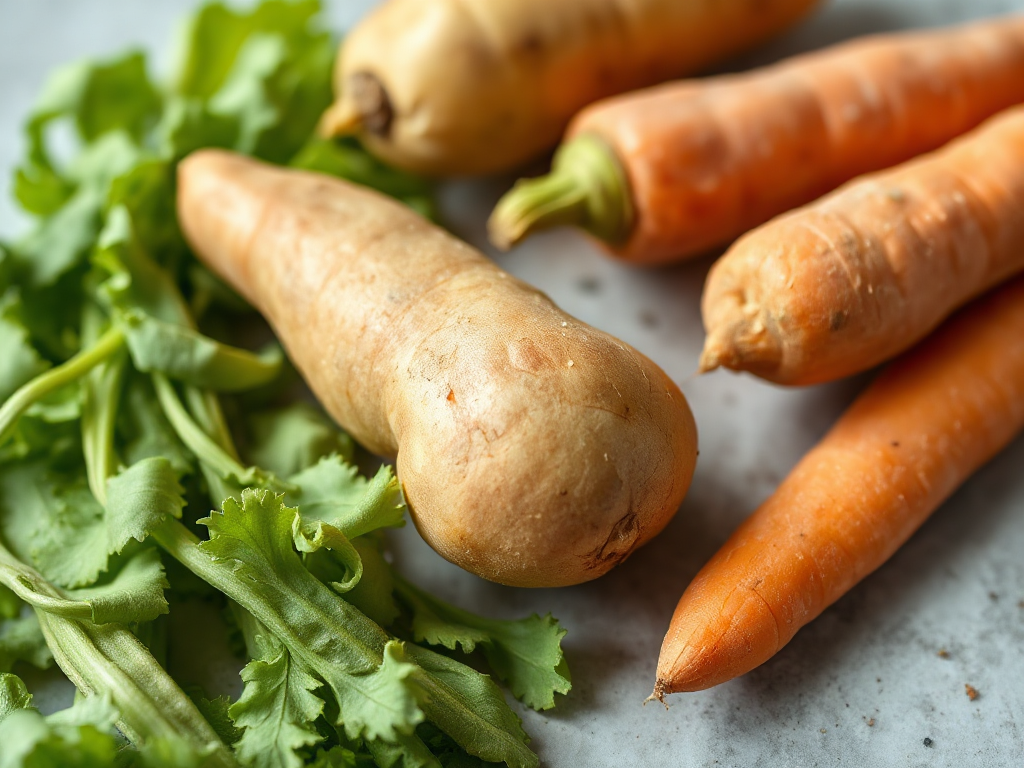
Vegetable skins worth keeping for added fiber include potato, sweet potato, carrot, cucumber, zucchini, eggplant, and winter squash skins when they are intact, thoroughly washed, and pleasant to eat. Their outer layers can contribute fiber while reducing kitchen waste, but toughness, bitterness, wax, bruising, and surface contamination affect whether keeping the peel is sensible. Scrub firm produce under running water, trim damaged areas, and cook thick or chewy skins when heat improves texture. Peeling remains reasonable for heavily blemished, unusually tough, or unpleasant-tasting vegetables, and people with specific medical or digestive needs may need individualized advice. The practical goal is not to keep every peel, but to retain the skins that add texture and fiber without reducing enjoyment or food safety.
Which Vegetable Skins Usually Earn Their Place
Potato, sweet potato, carrot, cucumber, zucchini, eggplant, and many winter squash varieties are the most useful candidates for keeping their skins. Their peels are generally edible, and leaving them attached can preserve some fiber and reduce preparation time. The decision still depends on the vegetable’s condition, the intended dish, and the texture a person will actually enjoy.
Potatoes and sweet potatoes are especially practical examples. Scrubbed, intact skins can remain on potatoes for roasting, boiling, or making wedges. Sweet potato skin softens during roasting and can add a slightly earthy contrast to the creamy interior. Very green areas on potatoes should be cut away generously rather than treated as ordinary peel; a potato with extensive greening, sprouting, or a bitter flavor is better discarded.
Carrot skins are thin enough that peeling often removes little, but skipping the peeler preserves the vegetable’s outer layer and saves time. Young carrots may need only a thorough scrub, while older carrots can have a dry or ridged surface that affects the finished dish. Cucumber and zucchini skins work well in salads, sautés, soups, and quick breads when they are fresh and not excessively waxy or tough. Eggplant skin is edible, although large mature eggplants may have a firmer peel than smaller ones.
Winter squash requires more judgment. Delicata squash skin usually becomes tender with cooking, while the thick rind of many pumpkins and large hard squash is not pleasant to eat. Keeping a skin because it is technically edible is different from keeping it because it improves the meal. For more ideas involving vegetable skins worth keeping for added fiber, compare the peel’s texture with the cooking method before reaching for a peeler.
Fiber, Texture, and the Tradeoff of Keeping Peels
Vegetable skins can contribute dietary fiber because plant cell walls contain structural carbohydrates, including cellulose and related compounds. The amount varies with the vegetable, its size, maturity, and how much peel remains. Keeping a thin layer around a carrot or zucchini is not a guarantee of a dramatic fiber increase, but repeated small choices can make whole-vegetable eating more consistent.
Fiber is only one part of the decision. The peel also changes texture, cooking behavior, and visual appearance. Potato skin can brown and become crisp in a hot oven, whereas carrot skin usually disappears into the background after roasting. Eggplant peel may provide a useful contrast in a stew but feel leathery if the vegetable is large and undercooked. Cucumber skin can add firmness and color, yet a thick or bitter peel may distract from a delicate salad.
A common weak assumption is that unpeeled always means more nutritious and peeled always means wasteful. Preparation affects the whole meal. A person who dislikes tough skins may eat less of the vegetable if the peel is left on, while a peeled carrot that is used fully may be a better practical outcome than an unappealing salad left unfinished. Fiber also comes from the vegetable’s interior, beans, lentils, fruit, whole grains, nuts, and seeds, so no single peel carries the burden of improving a diet.
Cooking can make skins easier to manage. Roasting dries the surface and can create appealing browning; simmering softens some peels but may leave others intact; blending can reduce the perception of a thin peel in soups or sauces. If a dish will be puréed, a scrubbed carrot or zucchini may be easier to use whole. If a recipe depends on a perfectly smooth texture, peeling may be a reasonable culinary choice. Readers building a higher-fiber eating pattern can also review vegetable skins worth keeping for added fiber alongside other whole-food sources rather than treating peel as a standalone solution.
Washing and Cooking Skins Safely
Keeping a skin makes surface cleaning more important because the outer layer is the part that contacts soil, handling surfaces, packaging, and kitchen tools. Wash produce under running water before cutting it, even when the skin will later be removed. Use a clean produce brush for firm items such as potatoes, carrots, and winter squash, and rub softer vegetables gently so the surface does not split.
Plain running water and physical scrubbing are the central steps for ordinary home preparation. Soap, detergent, and household cleaners should not be used on food. Washing does not make damaged or spoiled produce safe, and it does not remove every possible residue or microorganism. Trim bruised, cut, or moldy portions according to the condition of the vegetable; discard produce with widespread spoilage rather than trying to rescue the peel.
Food handling after washing matters too. Clean the cutting board and knife, keep washed produce away from raw meat juices, and dry vegetables when a recipe benefits from browning. Wet potato or squash skins tend to steam before they roast, which can produce a soft surface instead of the crisp texture many cooks expect. A brief drying step is therefore both a safety habit and a quality improvement.
Cooking is not a substitute for cleaning, but it can change the texture of a peel and make it more suitable for a particular dish. Roast scrubbed potatoes after cutting away eyes and damaged areas. Steam or sauté carrots and zucchini until the skin is tender. Cook eggplant thoroughly when its peel feels firm. With squash, confirm that the specific variety has a rind intended for eating; the label, recipe, or a trusted produce reference can help distinguish tender-skinned varieties from those normally removed before serving.
When Peeling Is the Better Choice
Peeling is sensible when the skin is tough, bitter, visibly damaged, heavily soiled, or likely to undermine the dish. Thick pumpkin rind, leathery mature cucumber skin, and coarse eggplant peel may be technically edible but unpleasant. Removing them can improve texture and make a soup, purée, or sauce more acceptable without meaning the cook has made a poor nutritional choice.
Surface condition deserves priority over a general rule about fiber. A potato with deep eyes, extensive sprouts, green patches, or decay needs more than a light scrape. A carrot with a dry exterior can be peeled or trimmed, while a fresh, thin-skinned carrot can usually be scrubbed and chopped. A cucumber with a waxy surface may benefit from partial peeling, creating alternating strips that retain some skin while reducing chewiness.
Digestive tolerance is another legitimate consideration. Increasing fiber quickly may cause gas, bloating, or changes in bowel habits for some people, particularly when overall fiber intake rises sharply and fluid intake remains low. People managing a gastrointestinal condition, following a medically prescribed diet, or recovering from a procedure should follow individualized guidance rather than assuming every edible peel is appropriate.
Produce origin also requires nuance. Organic and conventionally grown vegetables both need washing. Choosing organic produce may address a shopper’s farming-practice preferences, but it does not remove the need to inspect and clean the surface. Conversely, peeling conventional produce is not the only way to make a vegetable part of a balanced diet. The useful question is whether the vegetable is fresh, washed, intact, and suitable for the planned preparation—not whether a broad label makes the peel automatically safe or unsafe.
A Practical Keep-or-Peel Routine
A simple routine prevents both unnecessary peeling and careless use of poor-quality skins. First inspect the vegetable under good light. Look for mold, extensive soft spots, deep cuts, unusual discoloration, and signs of decay. Next identify the variety and intended cooking method. A delicata squash for roasting and a large pumpkin for carving do not belong in the same keep-the-skin category.
Then wash and scrub before cutting. After trimming damaged areas, test a small piece if the skin’s texture or bitterness is uncertain. The first batch of roasted zucchini can reveal whether the peel is tender enough; a small spoonful of cooked eggplant can show whether its skin needs more time. This approach is more reliable than assuming size, color, or the word “edible” predicts the final eating experience.
- Keep the skin: when it is intact, thin or tender after cooking, cleanable, and compatible with the recipe.
- Trim or partially peel: when only certain areas are coarse, blemished, or bitter.
- Peel: when the rind is thick, the texture is unpleasant, or a smooth preparation requires it.
- Discard: when spoilage is widespread or the vegetable has a concerning odor or condition.
Portion and meal context still matter. Adding unpeeled potato to a meal does not automatically balance a plate, and a peel-heavy preparation is not a replacement for varied fiber sources. Pair vegetables with beans, lentils, whole grains, nuts, seeds, or fruit as tolerated. If a gradual increase is the goal, begin with familiar choices such as scrubbed roasted potatoes or carrots rather than forcing thick, chewy skins into every recipe.
Signs the approach is working include vegetables being used more consistently, appealing texture, and a gradual increase in fiber-rich foods without persistent discomfort. Signs it needs adjustment include bitterness, hard rind, repeated digestive distress, or produce that cannot be cleaned effectively. The best routine preserves edible skins selectively, respects food quality, and keeps the finished meal enjoyable. For a broader planning reference, use vegetable skins worth keeping for added fiber as a starting point, then apply the same inspection and preparation logic to each vegetable.
For food-washing guidance, fiber information, and produce-handling recommendations, consult current materials from the USDA FoodSafety.gov, the U.S. Food and Drug Administration, and university extension programs. These sources are more useful than relying on blanket claims that every peel should be eaten or removed.
Frequently Asked Questions
Do vegetable skins always contain more fiber than the inside?
Skins can contribute fiber, but the amount varies by vegetable and serving size. The interior also supplies fiber, so keeping a peel is a modest whole-food choice rather than a guaranteed major increase.
Should carrots be peeled before eating?
Fresh carrots can usually be scrubbed and eaten unpeeled. Peel or trim them when the exterior is dry, damaged, unusually coarse, or unpleasant in the finished recipe.
Is potato skin safe to eat?
Clean, intact potato skin can be eaten when the potato is properly prepared. Cut away eyes and damaged areas, and avoid potatoes with extensive green coloring, heavy sprouting, decay, or a bitter taste.
Does washing remove the need to peel vegetables?
No. Washing reduces surface soil and some contamination through physical action, but it does not fix spoilage or make every tough peel pleasant. Inspect the vegetable and choose the preparation that fits its condition.
Can keeping skins cause digestive problems?
Adding more fiber at once may cause gas or bloating for some people. Increase fiber gradually, drink adequate fluids as appropriate, and seek individualized medical guidance when a digestive condition or prescribed diet is involved.
Conclusion
Keeping vegetable skins is most useful when the peel is cleanable, edible, and agreeable in the finished dish. Scrub potatoes, sweet potatoes, carrots, cucumbers, zucchini, and suitable squash varieties; trim damage; and use roasting, simmering, or blending to manage texture. Do not force the issue with thick rind, bitter skin, spoilage, or a recipe that depends on smoothness. Fiber from peels is a helpful contribution, not a substitute for a varied pattern that includes other plant foods. Try one familiar unpeeled preparation this week, observe texture and digestive comfort, and adjust from there. Selective use delivers the practical benefit without turning a sound nutrition idea into a rigid rule.