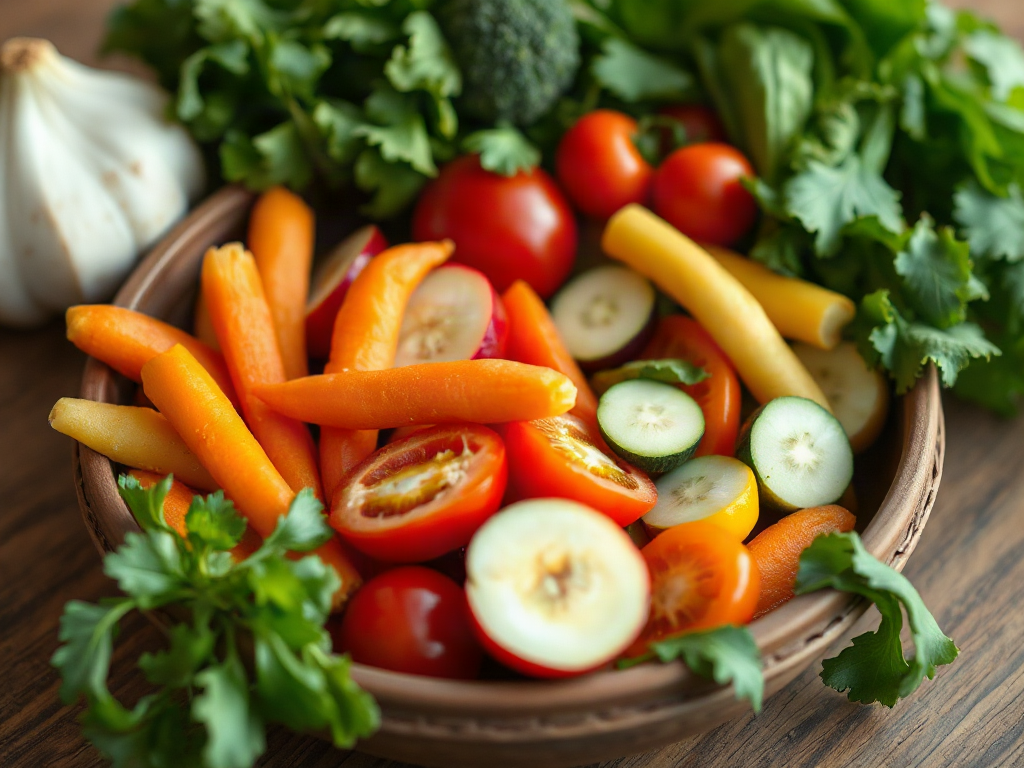
Organic produce choices during digestive symptom flares should emphasize familiar, well-cooked fruits and vegetables in small portions, while raw salads, tough skins, large servings, and highly fermentable options may be harder to tolerate. Steaming, baking, peeling, or blending can soften texture and reduce the mechanical work of digestion without making a food universally safe. Bananas, applesauce, peeled potatoes, cooked carrots, squash, and plain canned fruit are practical starting points, but tolerance depends on whether symptoms involve diarrhea, constipation, bloating, nausea, or pain. Organic certification may reduce certain pesticide exposures, yet it does not determine fiber content or guarantee symptom relief. Track portions, preparation, and symptoms, and seek medical care for severe, persistent, or alarming symptoms.
How Flares Change Produce Tolerance
Digestive symptom flares can make normally comfortable produce feel difficult because the gut may be reacting to texture, fiber load, fermentable carbohydrates, acidity, or meal volume. A raw kale salad, for instance, combines bulky insoluble fiber with extensive chewing, while a smaller serving of cooked zucchini presents less physical roughness. The distinction matters more during episodes involving loose stools, cramping, nausea, bloating, or heightened sensitivity.
Organic status is a purchasing choice, not a digestive-treatment category. Organic and conventionally grown carrots contain similar types of fiber, and switching production methods does not remove the need to consider peeling, cooking, portion size, or personal tolerance. Washing all produce under running water remains sensible, including organic items. Avoiding organic foods solely because they contain fiber can also backfire if a prolonged restrictive pattern reduces dietary variety.
During a flare, prioritize the variable most likely to be driving discomfort. Texture often matters when chewing, swallowing, or bowel urgency is prominent. Fermentable carbohydrates may matter more when gas and abdominal distension dominate. Acidity can be relevant for people whose symptoms worsen after tomatoes or citrus, although a food trigger should not be assumed from a general diagnosis. Keeping a short record of the food, amount, preparation, and response is more informative than labeling all produce as safe or unsafe.
A common mistake is changing several foods at once. If someone removes fruit, vegetables, dairy, grains, and seasonings simultaneously, improvement cannot be attributed to one change and nutritional gaps become harder to avoid. A narrower trial—such as replacing raw vegetables with cooked portions for a few meals—provides a clearer comparison and leaves more options available.
Gentler Choices and Preparation Methods
Soft texture and modest portions usually make produce easier to test during a flare. Cooked carrots, peeled potatoes, winter squash, pumpkin, tender zucchini, applesauce, ripe banana, and canned peaches or pears packed in juice are examples that many people find easier than raw, fibrous alternatives. These are not universally tolerated foods, and canned fruit may contain added sweeteners that worsen symptoms for some people. The useful principle is controlled texture and quantity, not a permanent list of “safe” items.
Heat changes the physical structure of plant tissue, making it softer and reducing the effort required to break it apart during eating. Steaming, simmering, baking, and pressure cooking can therefore be practical during a sensitive period. Peeling removes some skin-associated fiber and roughness, while removing seeds and stringy sections can further reduce texture challenges. Blending may help with chewing and volume, but a smoothie can still deliver a large dose of fruit sugars or fiber quickly, so liquid form does not automatically mean gentle.
Compare a raw apple with unsweetened applesauce: the latter has a softer texture and usually less intact skin, but it may provide less chewing and a faster eating pace. Compare a whole baked potato with fries: baking preserves a straightforward whole-food option, whereas frying adds fat that some people find harder to tolerate during nausea or diarrhea. Preparation changes the experience without guaranteeing a particular digestive response.
Use a small serving with a familiar meal rather than testing several new ingredients in an empty stomach. A few spoonfuls of cooked squash or half a ripe banana can provide an initial observation point. If symptoms remain stable, increase gradually at a later meal. If symptoms worsen, note whether the likely issue was the food itself, the portion, added fat, sweetener, spice, or the timing of the meal.
Readers comparing organic produce choices during digestive symptom flares should also distinguish fresh, frozen, and canned formats. Frozen vegetables without sauces can be convenient and nutritionally useful; canned vegetables may be softer but higher in sodium, which can matter for people managing other health conditions. Organic labels do not settle these preparation and formulation questions.
Matching Produce to the Symptom Pattern
Diarrhea, constipation, bloating, nausea, and reflux-like discomfort create different practical priorities, so one produce plan should not be applied to every flare. Loose stools may make large amounts of raw fiber, prune products, or concentrated fruit juice less appealing, while constipation may call for a gradual return of fluids and fiber rather than an abrupt pile of bran-like produce. A person with bloating may tolerate cooked carrots but react to a large serving of onions or cauliflower, even though both are nutritious choices.
For diarrhea or urgency, cooked and peeled options can reduce bulk and rough texture for some people. Plain potatoes, carrots, squash, and applesauce may be easier starting points than raw greens or fruit with edible skins. This approach is not a treatment for the underlying cause, and persistent diarrhea can lead to dehydration or require medical assessment. Juice is a frequent poor substitute because it removes much of the food structure while concentrating sugars.
For constipation, reducing all plant foods indefinitely may worsen an already low-fiber pattern. A better progression may involve adding one soft fruit or cooked vegetable, increasing fluids when appropriate, and observing stool response over several days. Kiwi, berries, pears, or dried fruit may suit some people but aggravate gas or loose stools in others. The relevant comparison is gradual, individualized change versus a sudden large fiber increase.
For bloating, portion size and fermentability deserve attention. A bowl containing broccoli, cauliflower, beans, apples, and a large smoothie can create a substantial fermentable load even when every ingredient is organic. Testing one cooked item in a modest serving gives more useful information. Nausea may favor cool, bland, low-fat preparations, while acidic tomatoes and citrus may be worth postponing if they repeatedly coincide with upper digestive discomfort.
Do not use produce avoidance to diagnose a condition. Blood in stool, black stool, severe or localized pain, repeated vomiting, faintness, fever, dehydration, unexplained weight loss, or symptoms that persist or recur should prompt medical advice. Nutrition adjustments can improve comfort for some people, but they should not delay evaluation of a potentially significant illness.
A Practical Reintroduction Plan
A structured trial makes flare eating less restrictive and more informative. Choose one produce item, one preparation, and one modest serving. Keep the rest of the meal familiar so that a reaction is easier to interpret. For example, test cooked peeled carrots with a plain grain and a tolerated protein rather than adding carrots to a new spicy stew containing several possible triggers.
Record four details: the produce item, whether it was raw or cooked, the approximate serving, and symptoms during the following hours and next bowel movement. Also note sauces, sweeteners, oils, coffee, and unusually large meals. A reaction after a fruit smoothie may reflect speed, volume, or added ingredients rather than the fruit alone. Repeating a food on a separate stable day can help distinguish a consistent pattern from coincidence, provided symptoms are not severe.
- Begin with texture: choose peeled, cooked, seedless, or soft produce.
- Control quantity: use a small serving before increasing it.
- Change one variable: avoid testing several new foods together.
- Assess the pattern: look for repeated responses, not one isolated symptom.
- Expand when stable: restore variety gradually rather than remaining on a narrow menu.
Progress is not measured by eating the largest possible salad. It is measured by maintaining hydration, meeting nutritional needs, and widening food choices without repeatedly provoking symptoms. If a peeled cooked version works but the raw version does not, preparation is useful information. If even small portions trigger symptoms, continuing to experiment at home may be less appropriate than consulting a clinician or registered dietitian.
Budget and availability also affect the plan. Organic frozen vegetables can reduce waste, and conventional produce may be a reasonable alternative when organic options are unaffordable. A tight food budget should not force someone into juice, highly processed snack foods, or a nutritionally incomplete diet. For more context, review organic produce choices during digestive symptom flares alongside guidance from a qualified healthcare professional when symptoms are recurrent.
Frequently Asked Questions
Is organic produce easier to digest during a flare?
Not automatically. Cooking, peeling, portion size, acidity, and fermentable carbohydrate content usually matter more directly to tolerance than organic certification.
Which organic produce is often easiest to test first?
Small servings of cooked carrots, peeled potatoes, squash, zucchini, applesauce, or ripe banana are practical starting points, although individual responses vary.
Should raw vegetables be avoided during digestive symptoms?
Not necessarily, but raw skins, stalks, and large salad portions may be harder to tolerate during some flares. A cooked version can provide a useful comparison.
Can smoothies help when produce feels difficult to eat?
A smoothie may reduce chewing demands, but it can deliver substantial fruit, fiber, and sugar quickly. Use a modest portion and avoid assuming blended means symptom-free.
When should digestive symptoms be medically evaluated?
Seek medical advice for severe or persistent symptoms, dehydration, repeated vomiting, blood or black stool, fever, faintness, unexplained weight loss, or significant localized pain.
Conclusion
Choosing produce during a digestive flare is less about finding a universally “safe” organic food and more about reducing avoidable variables. Start with a small serving of soft, cooked, peeled produce; keep sauces and sweeteners simple; and match the trial to the dominant symptom rather than following a generic avoidance list. Organic certification may reflect farming practices, but it does not change a food’s fiber, acidity, fermentability, or portion-related effects. Compare one preparation at a time, record repeatable responses, and gradually restore variety when symptoms settle. Persistent, severe, or alarming symptoms deserve medical evaluation instead of increasingly restrictive food experiments.