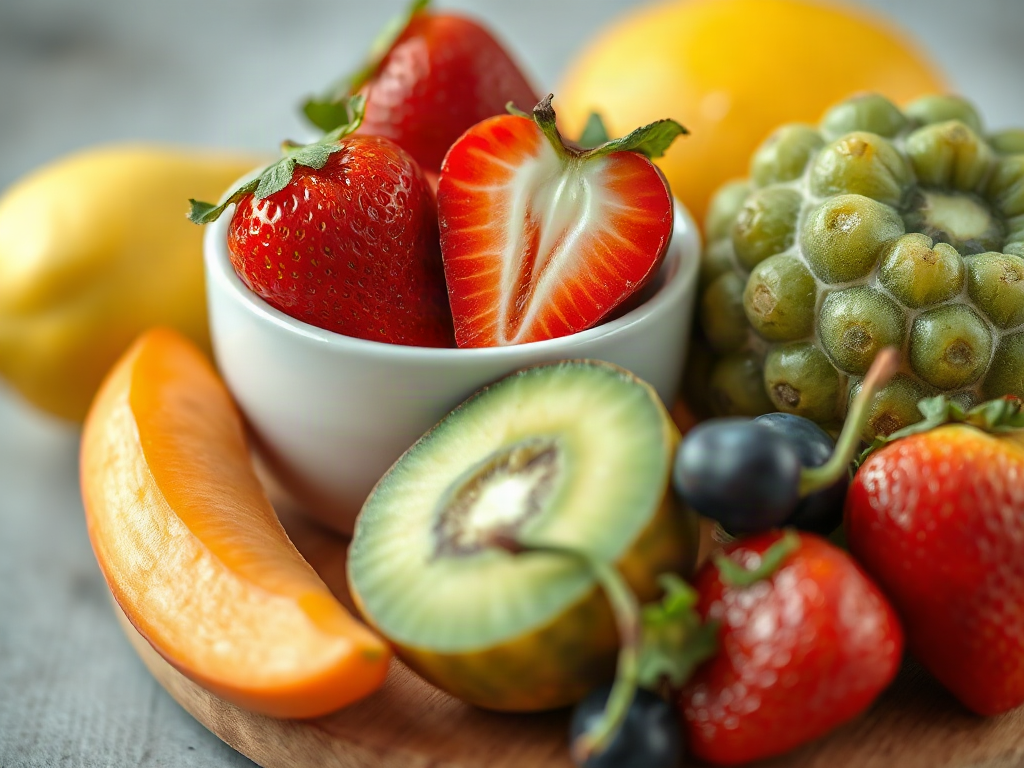
Organic fruit intake with oral allergy syndrome is usually managed by identifying the raw fruits that trigger mouth or throat symptoms, then comparing them with cooked, canned, or peeled forms that may be better tolerated. The syndrome often reflects cross-reaction between pollen allergens and similar proteins in fresh produce, so organic certification does not remove the underlying trigger. Keep a symptom and pollen-season record, introduce only one fruit at a time, and stop eating a fruit that causes itching, swelling, or throat discomfort. Persistent, intense, or systemic reactions require evaluation by an allergist because oral allergy syndrome can occasionally involve more serious symptoms.
Why Raw Fruit Can Trigger Oral Allergy Syndrome
Oral allergy syndrome, also called pollen-food allergy syndrome, happens when the immune system recognizes a protein in certain fruits as similar to a pollen protein. The reaction is usually limited to areas that contact the food: itchy lips, a tingling tongue, scratchy throat, or mild swelling in the mouth. Birch, grass, and ragweed pollen are commonly associated with different food patterns, although a person’s triggers do not always follow a simple seasonal chart.
A raw apple, for example, may cause mouth itching in someone sensitized to birch pollen, while applesauce may be tolerated. The difference is not that the cooked version is less nutritious in every respect; heat can alter the shape of some proteins enough that the immune system no longer recognizes them as readily. This effect varies by fruit, cooking method, freshness, and individual sensitivity.
Organic status addresses farming and handling practices, not the protein structure responsible for the allergic reaction. An organic peach can still trigger symptoms if a conventional peach does, and washing a fruit will not reliably remove the relevant internal proteins. Choosing organic may fit a person’s preferences or reduce exposure to certain agricultural residues, but it should not be treated as an oral allergy syndrome treatment.
Freshness can complicate the picture. Some people report stronger symptoms from very ripe fruit, while others react similarly at every stage of ripeness. A fruit smoothie may also expose the mouth to a larger amount more quickly than a few bites of whole fruit. Reading organic fruit intake with oral allergy syndrome as a tolerance question, rather than an organic-versus-conventional question, leads to more useful decisions.
A common mistake is assuming that a mild mouth reaction is automatically harmless. Many cases remain mild, but symptoms involving widespread hives, vomiting, breathing difficulty, dizziness, or progressive throat tightness are not typical reasons to keep experimenting at home. The response should be guided by symptom severity and medical advice, not by the label on the fruit.
Organic, Conventional, Cooked, and Peeled Fruit Choices
Fruit form often matters more than the organic label when oral allergy syndrome is the concern. Cooking, baking, pasteurization, canning, or thorough processing may reduce reactivity for some pollen-related fruit proteins. Peeling may help in selected cases because certain proteins are more concentrated near the skin, but peeling is not a universal safeguard. A peeled apple can still cause symptoms, and a cooked fruit can still be unsuitable for a person with a different type of food allergy.
Consider a person who reacts to raw cherries during spring pollen season. They might tolerate cherries incorporated into a fully baked dish, but that result should not be generalized to cherry juice, a lightly warmed compote, or a smoothie containing raw cherries. Heat exposure, preparation time, and the amount eaten all change the situation. The practical comparison is not simply “organic fruit versus regular fruit”; it is raw whole fruit versus a specific processed form.
Whole fruit usually offers more intact fiber and less concentrated sweetness than juice. Juice can deliver a larger amount rapidly and may remove much of the fruit’s physical structure, while dried fruit compresses several servings into a small portion. Neither form should be used as a tolerance test. If raw pear causes oral symptoms, switching to pear juice may increase exposure rather than solve the problem.
Useful options to discuss with a clinician or dietitian may include cooked apples, baked pears, canned peaches, or other heat-treated forms, depending on the suspected trigger. Commercially processed products are not automatically safe, and mixed-fruit products make it harder to identify the cause. Check labels for combinations such as apple, pear, peach, cherry, hazelnut, or almond when a packaged food produces an unexpected mouth reaction.
Another weak assumption is that “natural” means lower risk. A fresh organic fruit salad can combine several potential cross-reactive foods at once, making symptoms difficult to trace. A simpler plate with one known-tolerated fruit, plain yogurt if dairy is tolerated, and oats may provide a more informative and balanced snack than a large mixed bowl. The goal is not to avoid all fresh fruit, but to preserve nutrition while reducing unnecessary exposure to a personally identified trigger.
A Practical Method for Testing Fruit Tolerance
Testing tolerance works best as a controlled observation rather than repeated casual exposure. Start by recording the fruit, variety, form, amount, preparation, season, and symptoms. Note whether the fruit was raw, peeled, refrigerated, blended, canned, or cooked. A record may reveal that a reaction occurs only with raw nectarines, only during a high-pollen period, or only after a large smoothie.
Use foods that have already been tolerated as the foundation of meals. When a clinician has indicated that home observation is appropriate, introduce one unfamiliar fruit or preparation at a time and avoid combining it with several suspected triggers. A small taste is not a formal allergy test, and someone with a history of significant reactions should not conduct food challenges without professional direction.
A practical decision sequence looks like this:
- Identify whether the symptom is limited to the mouth or includes skin, stomach, breathing, circulation, or progressive throat symptoms.
- Record the exact fruit and preparation instead of grouping all fruit together.
- Pause the suspected food if symptoms recur and avoid escalating the amount.
- Ask an allergist whether testing, supervised challenge, or an emergency action plan is appropriate.
For example, a person who tolerates baked apple but reacts to raw apple should not assume that every apple product is equivalent. Apple cider, unheated puree, fruit leather, and a baked pie have different processing and ingredient profiles. The same reasoning applies to organic products: certification may change how the fruit was grown, but it does not standardize the allergenic proteins or guarantee tolerance.
Symptoms that appear only during pollen season can still be real food reactions. Conversely, a mouth sensation after fruit may sometimes reflect irritation from acidity, an oral sore, or another condition rather than pollen-food allergy. Repeated patterns deserve professional review instead of increasingly restrictive self-diagnosis. Link symptom observations with organic fruit intake with oral allergy syndrome decisions, but do not use a food diary as a substitute for medical assessment.
When Symptoms Need Medical Attention
Mild itching or tingling confined to the lips and mouth is the classic presentation, but severity can differ between people and episodes. Seek urgent medical help for trouble breathing, wheezing, faintness, widespread hives, repeated vomiting, marked tongue or throat swelling, or symptoms that progress beyond the mouth. A reaction that feels different from previous episodes should be treated cautiously.
An allergist can review pollen sensitivity, food history, coexisting asthma, medication use, and the possibility of a primary food allergy. That distinction matters because some reactions to fruits are not explained by oral allergy syndrome. A person who reacts to cooked fruit, develops symptoms away from the mouth, or experiences symptoms after a very small amount may need a more detailed evaluation.
Do not deliberately repeat a suspected trigger to “build tolerance” unless a qualified clinician has recommended a supervised plan. Home trials can be especially risky when the person’s history includes breathing symptoms, fainting, severe reactions, poorly controlled asthma, or reactions to nuts associated with pollen-food patterns. The safest next step may be avoiding the suspected food until an evaluation rather than searching for an organic replacement.
Emergency medications should be used exactly as prescribed. An antihistamine may be part of an individual plan for mild symptoms, but it should not be assumed to replace emergency care for a severe reaction. Ask a healthcare professional what symptoms require immediate action and whether an epinephrine auto-injector is appropriate.
A frequent failure mode is treating every mouth symptom as proof of the same syndrome. Burning from citrus, irritation from underripe fruit, and contact reactions can feel similar. A careful history improves the chance of identifying the actual pattern and prevents needless elimination of nutrient-rich foods. Medical advice is particularly important before removing several fruit groups from a child’s or adult’s diet.
Building a Nutritious Fruit Routine
A workable fruit routine uses tolerated forms and replaces, rather than merely removes, foods. If raw apples and peaches cause symptoms but cooked versions are tolerated, baked fruit, unsweetened applesauce, or canned fruit packed in water may provide alternatives. If a whole fruit group is being avoided, use other tolerated foods that contribute fiber, vitamin C, potassium, or polyphenols, such as suitable berries, melon, citrus, or vegetables, depending on the person’s reactions and overall diet.
Prioritize variety only within the safe range. A mixed smoothie is convenient but makes exposure harder to identify and can deliver several suspected fruits at once. A bowl of one tolerated fruit with oats, seeds, or plain yogurt offers clearer portion control. Dried fruit can be useful in small amounts, but its concentrated carbohydrate content and ease of overeating make it a different nutritional choice from fresh fruit.
Organic purchasing can remain part of the routine if it fits the household budget and preferences. When funds are limited, directing the budget toward fruits that are reliably tolerated is more practical than buying organic versions of foods that provoke symptoms. Washing all produce, storing cut fruit safely, and preventing cross-contact with known allergens remain sensible food-handling measures, but none of them changes a cross-reactive protein into a non-allergenic one.
Signs that a plan is working include fewer unexplained episodes, adequate fiber and micronutrient intake, and a clear understanding of which forms are tolerated. Signs that it needs revision include expanding food avoidance, anxiety around ordinary meals, recurring symptoms despite avoidance, or difficulty meeting nutritional needs. At that point, an allergist or registered dietitian can help distinguish confirmed triggers from assumed ones.
For a personalized reference, use organic fruit intake with oral allergy syndrome as a starting point, then organize choices around documented symptoms and professional advice. The useful target is a flexible diet with known boundaries, not a promise that every organic fruit will be safe.
Frequently Asked Questions
Does buying organic fruit prevent oral allergy syndrome?
No. Organic certification concerns production methods, while oral allergy syndrome is usually caused by immune recognition of proteins in the fruit. Organic and conventional versions of the same fruit may both trigger symptoms.
Can cooking make a triggering fruit easier to tolerate?
Cooking can alter some cross-reactive proteins, so certain people tolerate baked, canned, or heated fruit better than raw fruit. It is not universal, and cooked fruit should not be tested at home after a serious reaction without medical guidance.
Should I avoid all fruit after a mouth-itching reaction?
Usually, broad avoidance is unnecessary without an evaluation. Record the specific fruit, preparation, amount, and symptoms, then discuss recurring or concerning reactions with an allergist.
Are smoothies safe if whole fruit causes oral symptoms?
Not necessarily. Smoothies often contain raw fruit and can deliver a larger amount quickly. Blending does not reliably remove the proteins responsible for oral allergy syndrome.
When is a fruit reaction an emergency?
Breathing difficulty, faintness, widespread hives, repeated vomiting, significant tongue or throat swelling, or rapidly worsening symptoms require urgent medical attention. Follow the emergency plan prescribed by a healthcare professional.
Conclusion
Managing fruit with oral allergy syndrome depends on the specific fruit, its preparation, symptom pattern, and personal medical history—not on the organic label alone. Keep tolerated foods in the diet where possible, compare raw and heat-treated forms cautiously, and avoid mixed products that make triggers difficult to identify. A written record of fruit type, ripeness, amount, season, and symptoms can make an allergy appointment far more useful. Do not repeat a food that caused a significant reaction, and seek prompt care for breathing symptoms, widespread hives, faintness, vomiting, or progressive swelling. A flexible plan built with an allergist or dietitian can protect nutrition without turning every fresh fruit into a presumed hazard.