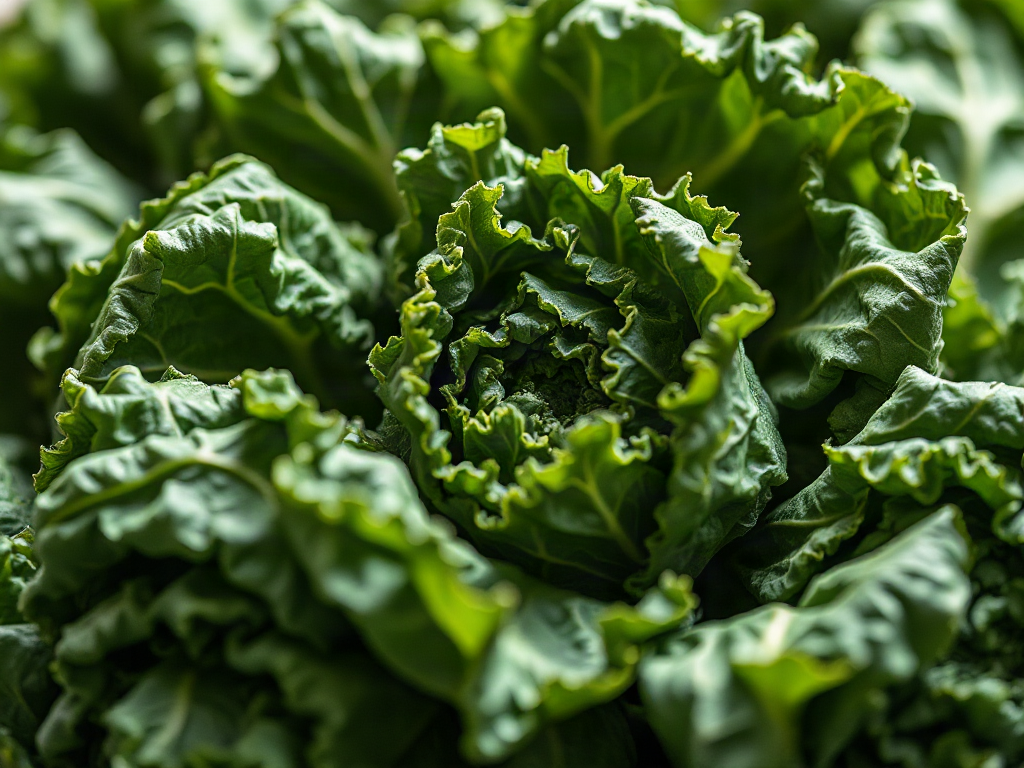
Organic kale nutrition includes fat-soluble vitamins K and A precursors, and absorption is generally improved when kale is eaten with a modest source of dietary fat. Olive oil, avocado, tahini, nuts, seeds, eggs, or oily fish can help the digestive tract incorporate these compounds into micelles for uptake. Chopping and gently cooking kale may make carotenoids more accessible, although prolonged boiling can reduce water-soluble nutrients such as vitamin C. A practical meal combines kale with fat rather than eating it plain, while anyone taking warfarin or another vitamin K–sensitive medication should keep intake consistent and seek individualized clinical guidance.
What Nutrients Does Organic Kale Provide?
Kale is nutritionally notable for vitamin K, provitamin A carotenoids, vitamin C, folate, fiber, and several minerals. Its dark-green leaves contain beta-carotene and related pigments that the body may convert to vitamin A as needed. Kale also contains lutein and zeaxanthin, carotenoids found in eye tissue, although eating kale should not be treated as a remedy for an eye condition or any other disease.
The word organic describes how the crop was produced under an applicable certification system; it does not guarantee a fixed nutrient level or automatically make every bunch nutritionally superior. Variety, maturity, soil conditions, storage time, and cooking can all influence the food that reaches the plate. Organic and conventionally grown kale can both be nutrient-dense choices. The useful distinction is whether organic production aligns with a shopper’s preferences, availability, and budget—not an assumption that the label transforms absorption.
Fat-soluble nutrition in kale centers on vitamin K and carotenoids. Vitamin K is already fat-soluble, while beta-carotene is a precursor that can be converted to vitamin A. These compounds behave differently from water-soluble vitamin C: digestive fat assists with their handling in the intestine, whereas vitamin C can leach into cooking water. That difference explains why no single preparation protects or maximizes every nutrient at once.
A common mistake is judging kale only by a nutrient chart. Database values describe the food, but they do not show how much an individual will absorb from a particular meal. Food structure, cooking, dietary fat, digestive health, portion size, and the rest of the meal affect bioavailability. A large raw kale salad with fat-free dressing may contain abundant carotenoids yet provide a less favorable absorption setting than a smaller salad dressed with olive oil and tahini.
Freshness still matters for quality. Choose leaves that are firm and deeply colored rather than yellowing, slimy, or strongly wilted. Refrigerate unwashed kale in a breathable or loosely closed bag, then wash it under running water before preparation. Buying organic does not remove the need to rinse away soil and surface debris. If stems are tough, remove them for salads or slice them thinly and cook them longer than the leaves to reduce waste.
How Does Dietary Fat Affect Vitamin Absorption?
Dietary fat helps the intestine absorb kale’s fat-soluble compounds by supporting the formation of micelles, small structures involved in transporting fats and associated compounds toward the intestinal surface. Bile and digestive enzymes participate in this process. A completely fat-free kale dish therefore differs physiologically from kale served with olive oil, seeds, avocado, eggs, cheese, or fish.
The goal is a mixed meal, not an excessive coating of oil. A spoonful of tahini blended into lemon dressing, a scattering of walnuts on a kale salad, or a small amount of olive oil used for sautéing provides a practical fat source. Exact absorption varies, so there is no universally necessary gram target for every person and preparation. Adding large amounts of oil also raises the meal’s energy density without guaranteeing proportionally greater uptake.
Food structure influences the same process. Plant cell walls can limit access to carotenoids, while chopping, massaging, blending, and heating disrupt some of that structure. Consider two smoothies: one contains kale, water, and fruit; the other includes kale, fruit, and plain yogurt or nut butter. The second supplies fat and protein, making it a more complete meal and a more suitable environment for fat-soluble compounds. A smoothie made only with juice may be easier to drink but can contain less fiber per serving if strained and may be less filling.
Vitamin K deserves separate judgment because intake consistency can matter for people using warfarin. The concern is not that kale is inherently unsafe; abrupt shifts from rarely eating leafy greens to eating large portions every day may interfere with management of vitamin K–sensitive anticoagulation. Patients should not eliminate nutritious greens or change medication on their own. A prescriber or registered dietitian can help establish a stable pattern that fits the treatment plan.
Signs that the meal strategy is practical are ordinary rather than dramatic: the kale is enjoyable, the added fat fits the rest of the diet, portions are repeatable, and the dish does not cause persistent digestive discomfort. More oil is not a meaningful sign of better absorption. People with conditions affecting fat digestion or absorption, or those who have had certain gastrointestinal procedures, may need individualized advice because a standard pairing may not address the underlying limitation.
Is Raw, Steamed, or Sautéed Kale the Better Choice?
No preparation method preserves every kale nutrient equally. Raw kale avoids heat-related losses and retains its crisp texture, but intact plant tissue can make some carotenoids less accessible. Gentle heating softens the leaves and disrupts cell structure, while prolonged boiling creates more opportunity for vitamin C, folate, and other water-soluble components to move into discarded water.
Raw preparation works well when texture is managed. Remove thick stems, slice the leaves finely, and massage them briefly with a dressing containing olive oil or tahini. Acid from lemon juice or vinegar brightens flavor but does not replace dietary fat for fat-soluble vitamin absorption. A salad with kale, chickpeas, roasted peppers, pumpkin seeds, and an oil-based dressing offers fiber, plant protein, and fat in one dish.
Steaming is useful when a softer texture is wanted without submerging the leaves. Cook until the kale turns bright green and becomes tender enough to chew comfortably, rather than continuing until it is dull and mushy. Sautéing combines structural softening with a fat source in the pan. Garlic and olive oil are a simple base, but temperature and time should remain moderate to avoid scorching the leaves or oil.
Boiling is not automatically a poor choice. It may suit soups, bean stews, or dishes in which the cooking liquid is consumed, allowing leached compounds to remain in the meal. The weaker approach is boiling kale in a large pot of water and draining it after extensive cooking when nutrient retention is a priority. Frozen kale is another reasonable option: it is convenient, reduces spoilage, and works well in soups, egg dishes, and sautés, though its thawed texture is less suitable for a crisp salad.
| Preparation | Practical Strength | Main Tradeoff | Useful Fat Pairing |
|---|---|---|---|
| Raw and finely sliced | Fresh texture and no heat exposure | Tough tissue may limit accessibility and comfort | Tahini or olive-oil dressing |
| Briefly steamed | Softens leaves without immersion | No fat is added by steaming alone | Avocado, seeds, or dressing after cooking |
| Lightly sautéed | Combines heat and dietary fat | Heavy oil use increases energy density | A modest amount of olive oil |
| Cooked in soup | Cooking liquid stays in the dish | Long heating may reduce heat-sensitive nutrients | Beans plus pesto, or fish in the meal |
Alternating preparations is more sensible than searching for one perfect method. Raw salad one day and gently cooked kale another can balance texture, convenience, and nutrient-retention considerations. The preparation is failing if kale repeatedly goes uneaten, requires so much oil that it no longer fits the meal, or causes discomfort because the portion rose too quickly.
How to Build a Balanced Kale Meal
A useful kale meal combines the leaves with a modest fat source, enough protein, and other foods that make the dish satisfying. Kale is nutrient-dense but does not supply a complete meal by itself. Treating a plain bowl of leaves as lunch often leads to poor satiety, while loading it with large amounts of cheese, oil, and sweetened toppings can shift the balance in the opposite direction.
Start with the form that suits the meal. Finely sliced raw leaves work for salads; steamed kale fits grain bowls; frozen chopped kale is efficient for soup or scrambled eggs. Add fat through one deliberate ingredient rather than several unmeasured additions. Olive oil, avocado, nuts, seeds, tahini, eggs, salmon, and full-fat or reduced-fat dairy can all contribute, depending on dietary needs and preferences.
Next, add a protein and an energy source appropriate to the person. White beans and whole grains create an affordable plant-based bowl. Eggs with sautéed kale and whole-grain toast suit breakfast. Kale cooked into a lentil soup can be finished with pesto or served with yogurt. These combinations improve palatability and meal completeness without presenting kale as a treatment food.
A compact meal check keeps the priorities clear:
- Prepare the leaves for comfortable eating: remove tough stems, chop, massage, steam, or sauté.
- Include a measured fat source: use dressing, seeds, avocado, eggs, dairy, or oily fish rather than relying on a fat-free preparation.
- Add protein and sufficient food: pair kale with beans, lentils, eggs, fish, poultry, tofu, or another suitable protein.
- Check personal constraints: account for anticoagulant therapy, digestive tolerance, allergies, sodium needs, and total energy intake.
- Favor repeatability: choose a preparation that can be eaten consistently instead of an elaborate recipe that produces waste.
Budget affects the organic decision as well. If organic kale is expensive or unavailable, conventionally grown fresh kale or frozen kale still offers the relevant nutrient profile. The organic label should not displace more consequential choices, such as eating vegetables regularly, adding an appropriate fat source, or selecting a preparation that preserves the cooking liquid. Likewise, packaged kale chips vary widely in oil and sodium and are not nutritionally interchangeable with plain leaves.
Adjust based on response. Reduce the portion temporarily and cook the leaves more thoroughly if a large raw serving causes bloating or discomfort. Reassess the dressing if oil pools at the bottom of the bowl. Seek professional guidance rather than experimenting independently if vitamin K intake interacts with medication or if a medical condition affects fat absorption.
Conclusion
Kale delivers its best practical value when meal composition and preparation are considered together. Choose fresh or frozen leaves that fit the budget, prepare them in a form that will actually be eaten, and include a deliberate source of fat such as olive oil, tahini, seeds, avocado, eggs, or fish. Brief steaming and light sautéing offer useful alternatives to raw salads, while soups retain compounds that would otherwise be discarded with cooking water.
Avoid treating more oil, an organic label, or a single cooking technique as a nutritional shortcut. Consistency, dietary variety, comfortable portions, and a complete meal matter more. Anyone using warfarin or managing a condition that affects fat digestion should discuss substantial changes in kale intake with an appropriate healthcare professional.
Frequently Asked Questions
Does kale need to be eaten with fat?
Kale does not have to be eaten with fat, but including a modest source such as olive oil, tahini, nuts, seeds, avocado, or eggs creates a more favorable setting for absorbing vitamin K and carotenoids.
Is raw kale less nutritious than cooked kale?
Neither form is universally more nutritious. Raw kale avoids heat exposure, while gentle cooking can soften plant tissue and make carotenoids more accessible. Rotating raw and cooked preparations balances these tradeoffs.
Does lemon juice improve fat-soluble vitamin absorption?
Lemon juice adds flavor and acidity but does not replace dietary fat in the absorption process. Use it with olive oil, tahini, avocado, or another fat-containing ingredient.
Can people taking warfarin eat kale?
They may be able to eat kale, but vitamin K intake generally needs to remain consistent. Sudden dietary changes should be discussed with the clinician managing anticoagulation rather than handled by avoiding greens without guidance.
Is organic kale more nutritious than conventional kale?
The organic label identifies a production standard, not a guaranteed nutrient advantage. Variety, freshness, storage, preparation, affordability, and how regularly the kale is eaten may be more useful meal-planning considerations.