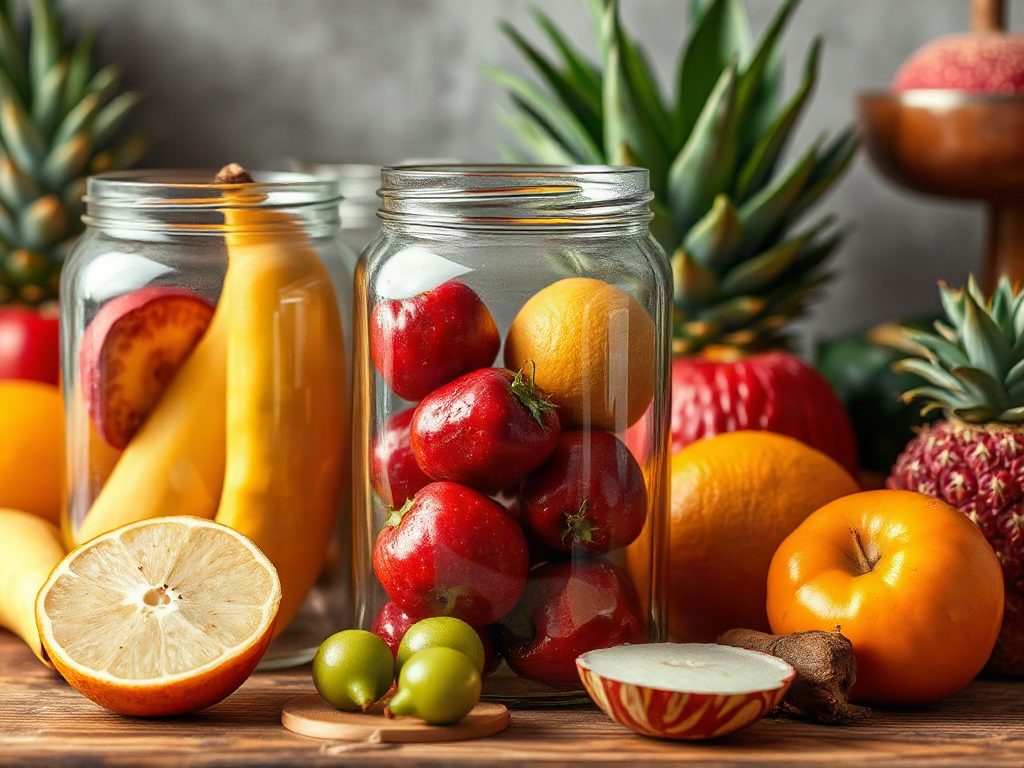
Glass versus plastic for organic fruit storage is mainly a choice between durability, visibility, weight, and moisture control rather than a guaranteed difference in freshness. Glass containers resist staining and odors, while lightweight plastic is easier to stack, transport, and handle around children. Either material can protect berries, grapes, and cut melon when the container is food-safe, clean, appropriately vented or sealed, and kept at the correct temperature. Excess surface moisture, crushed fruit, trapped ethylene, and poor airflow usually cause more spoilage than the container material itself.
Does Container Material Change Fruit Freshness?
Container material has less influence on freshness than temperature, airflow, ripeness, handling, and surface moisture. A glass bowl with a tight lid can accelerate deterioration if wet berries are sealed inside it, while a simple plastic produce box may work well if its vents release moisture and the fruit remains cold. The useful comparison is therefore not glass against plastic in isolation. It is one complete storage setup against another.
Fresh fruit continues to respire after harvest, consuming oxygen and releasing carbon dioxide, water vapor, and heat. Some fruits also produce ethylene, a natural plant hormone that promotes ripening. A sealed container changes the atmosphere surrounding the fruit, but a household container does not provide the precisely controlled conditions used in commercial storage. If condensation collects on the walls or lid, the enclosed environment is probably retaining more moisture than the fruit needs.
The type and condition of the fruit determine how that environment should be managed. Whole apples tolerate handling and storage differently from delicate raspberries. Firm grapes benefit from refrigeration and protection from crushing, whereas peaches may need time at room temperature to finish ripening before they are chilled. Cut melon requires refrigeration in a covered container because cutting exposes moist flesh and removes much of the protection supplied by the rind.
| Storage factor | Glass | Plastic | What matters most |
|---|---|---|---|
| Moisture visibility | Condensation is easy to see | Clear plastic also allows inspection | Remove pooled water and avoid packing wet fruit |
| Airflow | Usually depends on the lid design | Vented produce boxes are widely available | Match ventilation to the fruit and its moisture level |
| Odor and staining | Highly resistant | May retain odors or discolor over time | Replace damaged or difficult-to-clean containers |
| Physical protection | Rigid but breakable | Rigid options resist impact | Prevent crushing without overfilling |
A common misconception is that an airtight lid automatically extends the life of every fruit. Tight closure is useful for cut fruit because it limits contamination and dehydration, but uncut berries can deteriorate in a humid, sealed space. Inspect the fruit rather than trusting the container label: dry surfaces, little condensation, normal aroma, and firm texture suggest the setup is working. Leaking juice, persistent fogging, sour odors, or rapidly spreading softness signal that the fruit needs sorting and the container needs cleaning.
When Is Glass the Better Choice?
Glass is particularly useful for refrigerated cut fruit, repeated household use, and situations where easy inspection and thorough cleaning are priorities. Its nonporous surface does not readily retain pigments or aromas from cherries, mango, pineapple, or ripe melon. A clear container also makes leftovers visible, which can reduce the chance that prepared fruit is forgotten behind opaque packages.
For example, a household that prepares pineapple chunks for several meals may prefer a shallow glass container with a fitted lid. The rigid walls protect the pieces from compression, and the broad base allows the fruit to be spread rather than piled deeply. Any juice collecting at the bottom remains visible. That does not make glass self-managing: the pineapple still needs prompt refrigeration, clean utensils, and separation from spoiled pieces.
Glass also withstands repeated washing without developing the scratches often seen in older plastic. Scratches and damaged seals can make a container harder to clean effectively. The practical advantage is cleanliness and longevity, not a special ability to preserve organic produce. Organic and conventionally grown fruit follow the same post-harvest biology once they enter the kitchen, so the production label does not change basic refrigeration or sanitation needs.
The disadvantages are substantial enough to affect the decision. Glass is heavier, consumes more refrigerator shelf capacity in some shapes, and can break when dropped or exposed to abrupt temperature changes. A large glass vessel filled with grapes may also be awkward to lift from a high shelf. Breakage around food creates an immediate reason to discard exposed fruit because tiny fragments may be difficult to detect.
Choose glass when the container will stay primarily in the refrigerator, adults can handle it safely, and its shape suits the quantity being stored. Shallow vessels are preferable for fragile berries because deep layers put pressure on the fruit at the bottom. Check that the lid seals cleanly, the rim is not chipped, and the container is fully dry before loading it. The mistake to avoid is assuming that a premium glass container compensates for warm storage, overripe produce, or fruit packed while dripping wet.
When Is Plastic More Practical?
Plastic is often the more workable option for packed lunches, crowded refrigerators, children’s snacks, and households that need lightweight, stackable containers. A rigid food-storage box can protect plums or grapes without adding the weight of glass. Vented designs may also simplify airflow management for whole fruit that would suffer in a tightly sealed, humid enclosure.
A commuter carrying washed grapes illustrates the tradeoff. A small rigid plastic container is less likely to shatter in a bag, but the grapes should be dry before packing and kept cool if they will remain out for an extended period. A loose plastic bag offers less protection and can trap moisture against bruised fruit. The important distinction is not merely plastic versus glass; it is a clean, intact container designed for food contact versus thin packaging being used beyond its practical purpose.
Food-grade plastic should be used according to the manufacturer’s instructions. Discard containers that are cracked, warped, heavily scratched, or unable to close properly. Single-use berry clamshells may provide useful ventilation in the refrigerator, but they are not necessarily designed for indefinite washing and reuse. Transferring sound berries to another vessel is optional; leaving them in a clean, ventilated retail package can be effective if crushed or moldy berries are removed.
Plastic has limitations. Some containers stain after holding deeply colored fruit, retain odors, or become cloudy with wear. Lightweight boxes can also flex, allowing soft fruit to be squeezed under other groceries. Conversely, the fear that every plastic container automatically ruins fruit oversimplifies the issue. Suitability depends on the specific product, its condition, intended temperature range, lid design, and pattern of reuse.
Use plastic when break resistance and portability outweigh resistance to staining and long-term wear. Select a rigid size that leaves enough room to avoid compression but not so much empty space that fruit tumbles during transport. If condensation appears, dry the fruit, wipe the container, or use a vented lid where appropriate. Plastic is failing as a storage choice when the box carries a persistent odor after washing, has damaged surfaces, or cannot protect the contents from being crushed.
How Should Organic Fruit Be Stored in Either Container?
Correct storage begins by sorting the fruit according to ripeness and whether it is whole or cut. Containers cannot restore bruised, leaking, or moldy produce. Remove damaged pieces promptly because liquid and physical contact can spread deterioration through a package, particularly among berries. Buy quantities that fit realistic eating patterns; even an ideal vessel cannot make highly perishable fruit last indefinitely.
Washing requires a fruit-specific decision. Berries are often best kept dry until shortly before eating because residual water can encourage rapid surface deterioration. If they are washed in advance, drain and dry them gently and thoroughly before refrigeration. Apples, citrus, and other sturdy whole fruits are less fragile, but they should still be dry before entering a closed container. Do not use soap on fruit. Clean running water and hygienic handling are the appropriate household basics.
A practical storage sequence keeps the material choice in perspective:
- Sort first: remove split skins, leaking pieces, and fruit showing mold or fermentation-like odors.
- Control moisture: place only dry whole fruit in a closed vessel and check for condensation after chilling.
- Choose the closure: use a covered container for cut fruit; consider ventilation for moisture-sensitive whole fruit.
- Prevent pressure: avoid deep piles of raspberries, blackberries, ripe peaches, or other easily bruised produce.
- Recheck daily: use the ripest sound pieces first and clean the container if juice accumulates.
Ripening stage changes the location as well as the container. Firm pears, peaches, nectarines, and avocados are commonly allowed to ripen at room temperature before refrigeration slows further softening. Apples and grapes generally fit refrigerated storage, while bananas are vulnerable to chilling effects and often remain at room temperature. Ethylene-producing fruit can speed changes in nearby sensitive produce, so separating very ripe fruit may be more useful than switching from plastic to glass.
Cut fruit deserves stricter handling because exposed flesh offers less physical protection. Place it in a clean covered vessel, refrigerate it promptly, and serve it with clean utensils. If cut fruit has remained warm for an uncertain period, changing containers does not reset its handling history. When spoilage is visible or the safety of damaged fruit is uncertain, discarding it is more prudent than trimming a questionable portion and returning the remainder to storage.
Evaluate success through observable conditions rather than a fixed storage promise. Fruit should retain its expected color, aroma, and texture without puddled juice or recurring condensation. If the same problem returns, change one variable at a time: load less fruit, improve drying, use a shallower container, adjust ventilation, or move the vessel to a consistently cold refrigerator area. That process reveals whether the failure comes from moisture, pressure, temperature, or advanced ripeness rather than from glass or plastic alone.
Frequently Asked Questions
Does fruit last longer in glass than in plastic?
Not automatically. Fruit condition, refrigeration, moisture, ventilation, and handling usually matter more than material. A suitable plastic container can outperform a sealed glass vessel filled with damp fruit.
Should berries be stored in an airtight glass container?
Only if moisture is carefully controlled. Dry berries may do well in a shallow container, but trapped condensation encourages deterioration. A vented setup is often easier to manage.
Can organic fruit stay in its original plastic package?
Yes, when the package is clean, ventilated, undamaged, and protects the fruit. Remove crushed or moldy pieces and avoid sealing a wet retail package inside another bag.
Is glass better for storing cut fruit?
Glass works well for cut fruit because it resists odors and stains and is easy to inspect. Clean food-grade plastic is also suitable when its lid fits and the container is refrigerated promptly.
Should fruit be washed before going into a storage container?
Fragile berries are generally easier to preserve when kept dry until use. If any fruit is washed in advance, dry it thoroughly before storage to reduce trapped surface moisture.
Conclusion
Choose the container around the fruit and the way it will be used. Glass suits repeated refrigerator storage, cut fruit, and households that value stain resistance and easy inspection. Plastic earns its place when low weight, stackability, ventilation, or break resistance is more important. Neither option excuses poor temperature control or careless handling.
Start by removing damaged pieces, keeping delicate fruit dry, avoiding deep layers, and matching the lid to the produce. Covered storage is appropriate for cut fruit, while whole berries may need moisture release rather than a tight seal. Inspect condensation, texture, odor, and pooled juice each day. If deterioration continues, adjust drying, airflow, loading depth, or refrigerator placement before buying a different container. A clean vessel used for the right fruit will usually matter more than whether its walls are glass or plastic.