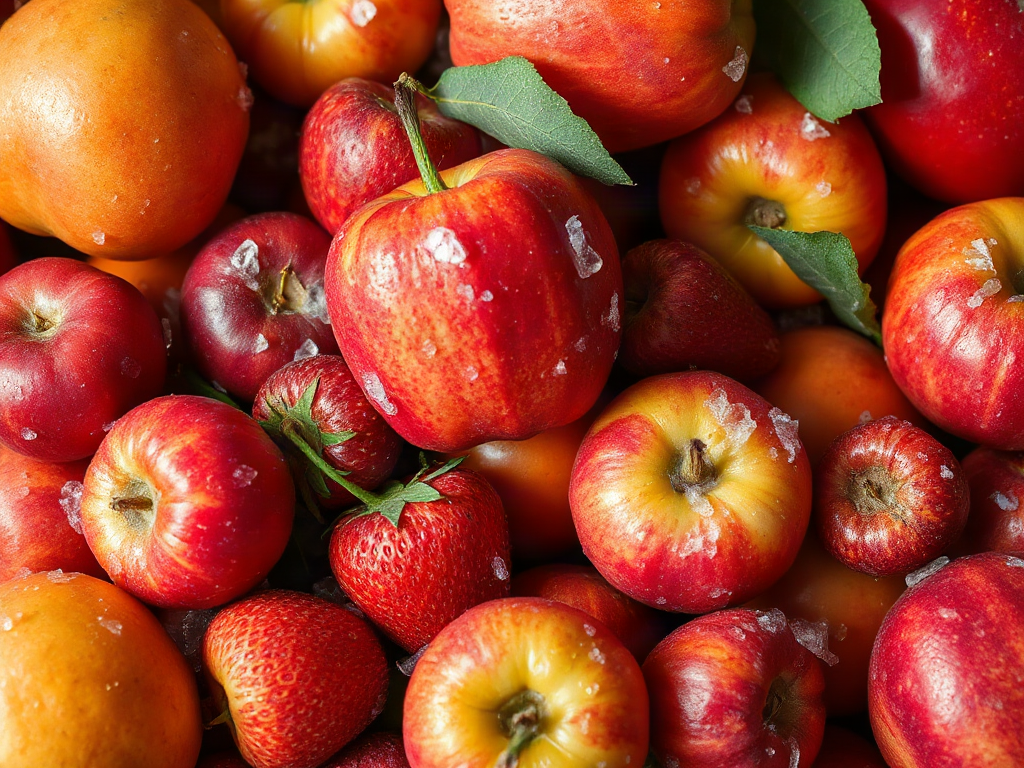
Fruit chilling injury and flavor deterioration occur when cold-sensitive fruit is held below its safe temperature range long enough to disrupt cell membranes, aroma production, ripening, and texture. Symptoms may include brown or water-soaked flesh, pitting, uneven ripening, poor juiciness, and a flat or fermented flavor after the fruit returns to warmth. Tropical and subtropical examples such as bananas, mangoes, avocados, papayas, and some citrus are more vulnerable than apples or berries. Preventing the damage requires matching each fruit to an appropriate temperature, avoiding abrupt cooling, limiting storage time, and checking internal quality rather than relying only on surface appearance. Warming cannot reliably reverse cellular injury once it has developed.
How Chilling Injury Changes Flavor
Chilling injury is physiological damage caused by temperatures that are too low for a particular fruit, even when the fruit has not frozen. The threshold varies with species, cultivar, maturity, growing conditions, and exposure time. A refrigerator may preserve one fruit while gradually damaging another. That difference explains why a mango can look acceptable after several days in the cold yet taste bland, resinous, sour, or oddly fermented when cut.
Cold stress affects cell membranes and the enzymes involved in ripening. Membranes become less flexible, normal movement of sugars and acids is disturbed, and tissue may lose its ability to coordinate softening and aroma formation. Volatile compounds that give ripe fruit its recognizable smell may be produced in smaller amounts or in an altered balance. The result is flavor deterioration that does not always match visible spoilage.
Temperature is only part of the problem. A fruit held just below its tolerance for a few hours may recover better than one held slightly warmer for many days. Immaturity, bruising, low humidity, poor ventilation, and repeated movement between cold and warm conditions can increase the quality loss. A firm avocado, for instance, may remain hard after chilling while developing gray-brown flesh and weak flavor instead of progressing normally toward a creamy texture.
The common mistake is treating all cold damage as ordinary spoilage. Mold, leaking juice, alcoholic odor, and active decay raise food-safety concerns; chilling injury primarily describes quality damage. The two can overlap, because injured tissue may become more vulnerable to microbes. Readers assessing a questionable item should judge odor, surface growth, leaking, tissue breakdown, and storage history together rather than assuming that a strange flavor alone proves contamination.
For related handling decisions, see fruit chilling injury and flavor deterioration alongside guidance on ripening and refrigerated storage. The practical priority is to prevent the physiological injury; refrigeration after ideal ripeness may preserve flavor, but refrigeration cannot restore aroma compounds that were never properly formed.
Which Fruits Are Most Vulnerable
Tropical and subtropical fruits generally face greater chilling risk than fruits adapted to cool-season storage. Bananas, mangoes, avocados, papayas, pineapples, guavas, and some varieties of citrus may develop injury when stored too cold. Tomatoes are botanically fruits and are also commonly affected, although they are usually handled as a separate produce category. Apples, pears, grapes, and many berries have different storage tolerances, but that does not mean every variety can be placed at any temperature without quality loss.
Ripeness changes the response. An unripe avocado or mango often needs time at a moderate temperature to complete normal ripening. Prolonged cold storage may interrupt that process, producing fruit that softens unevenly or remains tough around damaged areas. A fully ripe item can sometimes tolerate a short period of refrigeration better because its flavor development is already further along. That is a quality-management distinction, not a guarantee.
Variety and origin matter as well. Two mangoes bought from different suppliers may respond differently because of cultivar, harvest maturity, transport conditions, and previous temperature exposure. A fruit that endured a cold truck, chilled display, and home refrigerator may have accumulated stress before the consumer notices anything. Surface firmness is an unreliable measure because cold-injured tissue can remain firm while internal membranes are already compromised.
A useful comparison is between a ripe berry and a green banana. The berry is highly perishable and may benefit from cold preservation, while the green banana may lose normal ripening quality if chilled. Treating both as “fresh fruit that belongs in the refrigerator” ignores their biology. If a package gives a storage recommendation, follow it; otherwise, consult guidance from a university extension service, produce supplier, or recognized postharvest resource for that specific fruit.
Do not assume that organic labeling changes chilling tolerance. Organic and conventionally grown fruit can experience the same temperature-related physiological response. The relevant variables are fruit type, maturity, temperature, humidity, time, handling, and visible deterioration. A small kitchen experiment can be informative: compare one item stored at room temperature with another refrigerated for the same period, then record aroma, softness, juiciness, and internal color after ripening.
Symptoms, Timing, And Diagnosis
Chilling symptoms may appear during cold storage or only after the fruit is returned to warmer conditions. External signs include pitting, depressed spots, dull or gray skin, uneven color development, surface browning, and shriveling. Internal signs can include translucent or water-soaked flesh, browning near the peel, poor juiciness, fibrous areas, and sections that soften while the rest remains firm.
Flavor changes are often more subtle. A damaged fruit may taste flat because aroma release is reduced, or it may show excessive sourness because the balance between sugars and organic acids has shifted. Some fruit develops a bitter, astringent, medicinal, or fermented note. Aroma is especially useful when the appearance is ambiguous: a ripe mango with little fragrance and rubbery flesh may have suffered cold stress, while a fruit with mold, active leakage, or a strong rotten odor should not be treated as a simple quality problem.
Timing provides another clue. If a fruit was normal before refrigeration, then developed poor ripening and internal browning after several days in a cold setting, chilling injury is plausible. If it was already bruised, overripe, warm, or damaged before storage, the deterioration may have another cause. Ethylene exposure, dehydration, mechanical impact, fungal decay, and natural senescence can produce overlapping symptoms.
Use a simple inspection sequence rather than cutting away one unattractive spot and assuming the rest is sound:
- Check the storage history, including approximate temperature and number of days.
- Look for mold, leaking liquid, widespread collapse, or a distinctly rotten odor.
- Cut the fruit on a clean surface and inspect color, firmness, moisture, and tissue consistency.
- Taste only when there are no spoilage indicators and the interior looks normal enough to evaluate.
“It will recover on the counter” is a weak assumption. Warming may allow some undamaged tissue to ripen, but it does not reliably repair membrane injury or recreate lost volatile compounds. A slightly underdeveloped fruit may improve after gradual warming; a fruit with extensive browning, watery tissue, or an off odor usually will not return to its original quality. More detail on fruit chilling injury and flavor deterioration can help distinguish a ripening delay from irreversible quality loss.
Storage Decisions That Limit Quality Loss
The most effective approach is to match temperature and timing to the fruit rather than cooling everything immediately. Keep cold-sensitive fruit in a stable, moderate location until it reaches the desired ripeness, then use refrigeration only when the fruit’s tolerance and condition make it worthwhile. Avoid placing unripe bananas, mangoes, papayas, and avocados in the cold simply to slow them down; the delay may come with uneven ripening and weaker flavor.
Temperature swings deserve attention. Moving fruit repeatedly from a warm kitchen to a cold refrigerator and back can create condensation and accelerate surface deterioration. A stable environment is preferable to frequent cycling. Do not pack warm, damp fruit tightly in a sealed container, since trapped moisture can encourage decay. At the same time, excessive airflow or a very dry refrigerator can cause shriveling and loss of juiciness, so storage needs a balance between ventilation and moisture retention.
A practical priority sequence is:
- Identify whether the fruit is cold-sensitive and whether it is ripe or still developing.
- Prevent bruising and keep the fruit away from direct contact with very cold surfaces.
- Use a stable storage location and avoid unnecessary temperature changes.
- Inspect before eating, especially after transport, prolonged refrigeration, or delayed ripening.
- Separate fruit showing decay from sound items so leaking fluids and mold do not spread.
Short-term quality preservation and maximum shelf life are not always the same goal. Refrigerating a ripe papaya may slow softening, but a cooler setting may also dull aroma. Leaving it at room temperature may preserve flavor for a shorter window while increasing the need for prompt use. Choose the tradeoff according to when the fruit will be eaten, not according to shelf life alone.
Signs that a storage change is working include normal aroma development, even softening, expected skin color, and juicy flesh without water-soaked patches. Signs that it is failing include persistent hardness after the normal ripening window, gray or brown internal areas, pitting, shriveling, and a flat or fermented taste. When several of those signs appear together, cooking, blending, or trimming may improve usability only if the remaining tissue is clean and sound; those methods cannot make spoiled fruit safe.
For home planning, mark cold-sensitive fruit with a visible “ripen first” reminder and reserve refrigerator space for fruit that is already ripe or naturally cold-tolerant. That small change prevents a common error: using cold as a universal freshness button. Consult fruit chilling injury and flavor deterioration when comparing storage choices across varieties, since tolerance is not identical even within one type of fruit.
University extension programs, government postharvest resources, and recognized produce-quality organizations offer fruit-specific temperature guidance. Look for materials that identify cultivar, maturity stage, storage duration, and symptoms rather than general refrigerator advice; those details are necessary for interpreting chilling injury accurately.
Frequently Asked Questions
Can chilling injury make fruit unsafe to eat?
Chilling injury is usually a quality defect, not automatically a safety hazard. Discard fruit with mold, rotten odor, extensive leaking, or widespread soft decay because cold damage can make tissue more susceptible to microorganisms.
Does letting cold-injured fruit warm up restore its flavor?
Warming may allow unaffected tissue to continue ripening, but it cannot reliably reverse membrane damage or restore aroma compounds lost during chilling.
Which fruits commonly develop chilling injury?
Bananas, mangoes, avocados, papayas, guavas, and some citrus are commonly vulnerable, while tolerance varies by variety, maturity, exposure time, and previous handling.
Why can fruit look fine but taste flat after refrigeration?
Cold stress can disrupt ripening enzymes and volatile aroma production before obvious surface symptoms appear. Internal inspection and aroma are often more revealing than skin appearance alone.
Should unripe tropical fruit go straight into the refrigerator?
Usually not unless fruit-specific guidance supports it. Many unripe tropical fruits ripen more normally in a stable moderate environment, then may be chilled briefly after reaching the preferred ripeness.
Conclusion
Cold storage protects some fruit but harms other fruit by disrupting membranes, ripening, aroma formation, and texture. The most useful decision is to identify the fruit’s cold sensitivity and maturity before choosing a storage location. Keep bananas, mangoes, avocados, papayas, and similar fruit out of prolonged cold while they are still ripening, avoid repeated temperature swings, and inspect the interior when flavor or texture seems abnormal. Treat pitting, browning, and poor aroma as quality clues, but treat mold, leaking, rotten odor, and collapsing tissue as stronger discard signals. A stable temperature, limited handling, and timely use usually protect flavor better than maximizing refrigerator time.
Further Reading
Authoritative Sources
- What is Chilling Injury in Peaches, What Causes it, and How ...
extension.umd.eduCI is manifested in many different symptoms including loss of flavor, mealiness, flesh browning, leatheriness, and flesh bleeding.
- Molecular Biochemistry and Physiology of Postharvest ...
mdpi.comPostharvest chilling injury (PCI) is a significant limitation in the storage of temperature-sensitive fruits, leading to quality deterioration and reduced ...
- Pomegranate: Chilling Injury
postharvest.ucdavis.eduThe minimum safe temperature is 5°C (41°F) for up to 8 weeks. Importance. Chilling injury can be a major cause of deterioration of ...
- A review of chilling injury causes and control
citrusaustralia.com.auThe classical symptoms of chilling injury is pitting of the peel and superficial scald-like symptoms of the peel and browning of the skin.