Vegetable Preparation Using Microwave Steaming: Timing, Texture, and Food Safety
Explore vegetable preparation using microwave steaming through why microwave steaming works, including practical limits and conditions that change the outcome.
Explore vegetable preparation using microwave steaming through why microwave steaming works, including practical limits and conditions that change the outcome.
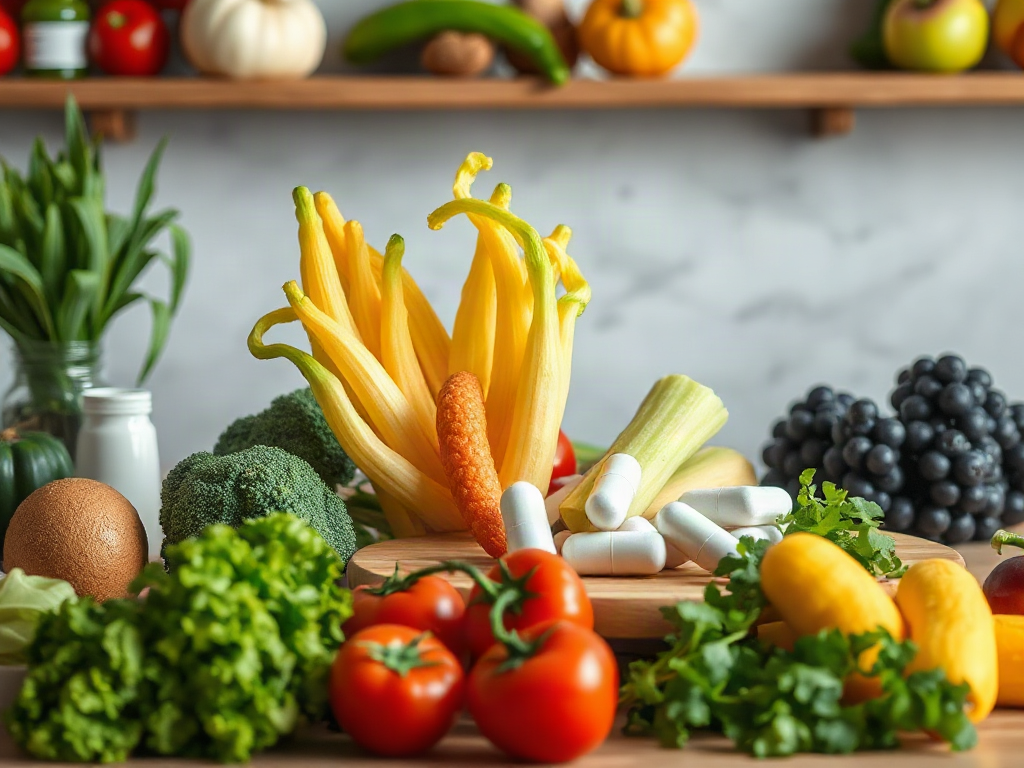
Organic produce interactions with high fiber supplements usually involve total fiber load, fluid needs, digestive tolerance, and the spacing of medicines or minerals rather than a harmful reaction between organic foods and fiber itself. Fruits, vegetables, beans, and whole grains can add fermentable fiber, which may increase gas, bloating, cramping…

Organic produce choices during intermittent fasting windows work best when higher-fiber vegetables, whole fruit, and water-rich foods are placed inside the eating period alongside adequate protein, fats, and other nourishing foods. Leafy greens, broccoli, berries, apples, citrus, tomatoes, and squash can add fiber and micronutrients, while eating a very large…
Explore vegetable intake timing for evening fullness through why timing influences evening, including practical limits and conditions that change the outcome.

Organic fruit timing before bedtime and digestion usually depends more on portion size, fiber, acidity, and personal tolerance than on whether the fruit is organic. Eating a modest serving such as a banana, kiwi, or berries one to two hours before bed may be comfortable for some people, while a…
Produce nutrition for endurance training hydration needs is most useful when water-rich foods, carbohydrate-rich produce, sodium sources, and workout timing are matched to duration, heat, and sweat loss. Melons, oranges, grapes, berries, and cucumbers can add fluid and carbohydrates, while potatoes, bananas, leafy greens, and tomatoes contribute potassium and other…

Organic fruit texture modifications for safe eating involve softening firm flesh, removing skins and seeds, reducing piece size, and checking that each bite is moist and easy to manage. Steaming, baking, poaching, mashing, and blending can change fibrous or crisp fruit into a smoother texture, while peeling and finely dicing…

Vegetable choices for people with swallowing restrictions should be soft, moist, cohesive, and prepared to match the person’s prescribed texture level. Well-cooked carrots, peeled zucchini, pumpkin, sweet potato, and finely mashed cauliflower may work better than raw salad, stringy greens, fibrous celery, or mixed-texture dishes.
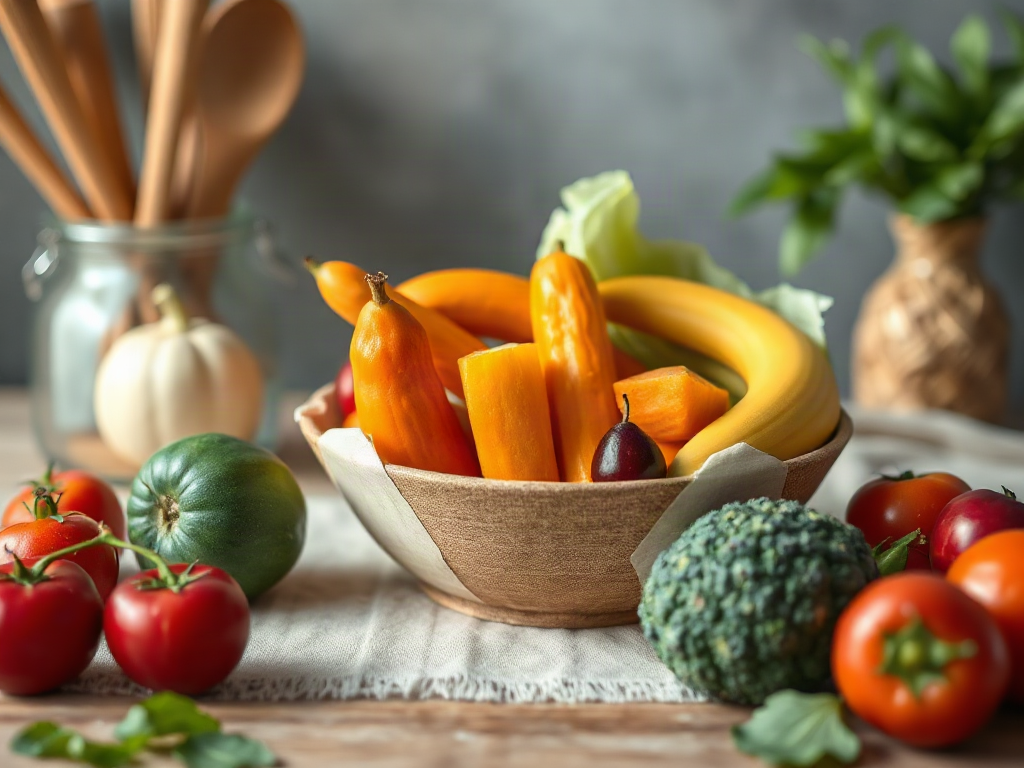
Explore fruit and vegetable nutrition for appetite loss through why appetite loss changes produce and fruit, considering the conditions that change the outcome.
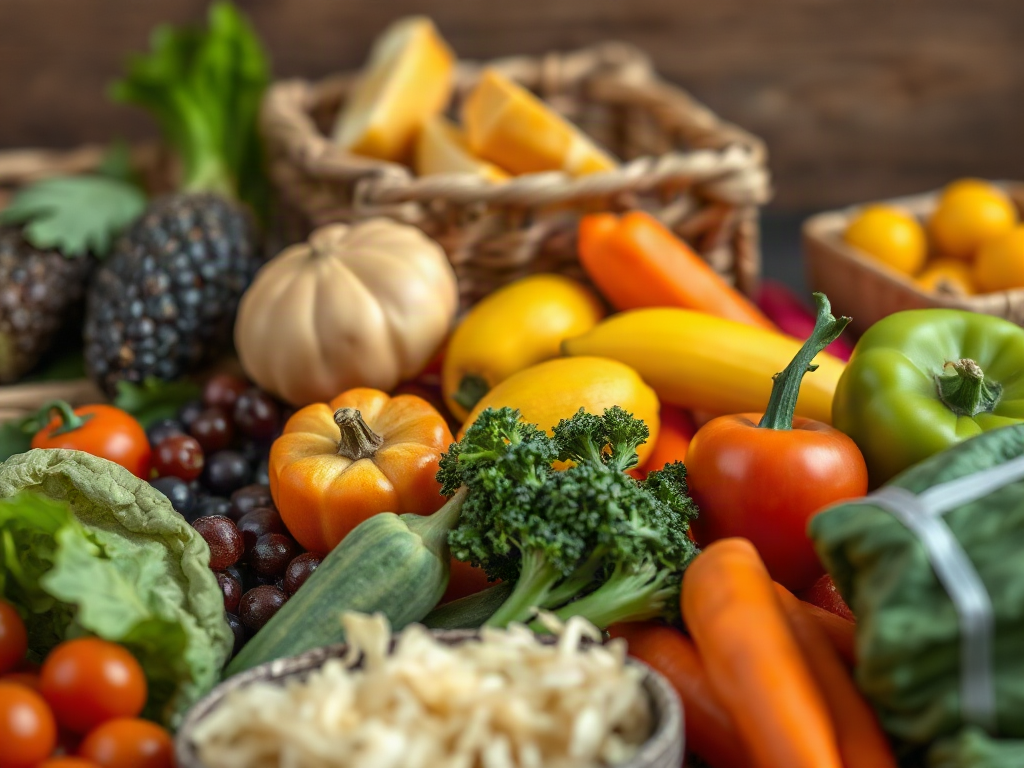
Organic produce choices for older adults with chewing difficulty should emphasize naturally soft foods and produce softened by steaming, roasting, stewing, or blending, while preserving useful nutrients and manageable textures. Ripe bananas, avocado, applesauce, cooked squash, tender green beans, peeled peaches, and well-cooked carrots are often easier than raw apples…