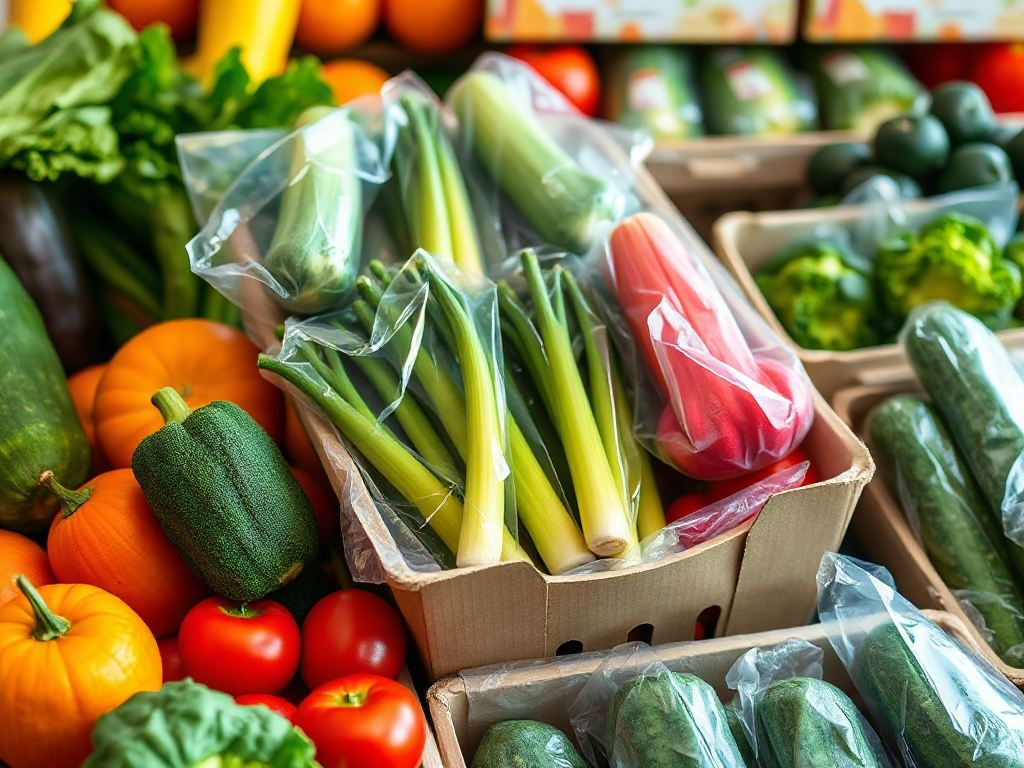
Produce packaging can help protect nutrients in organic vegetables by limiting oxygen exposure, moisture loss, light, bruising, and temperature swings, but it does not preserve quality indefinitely. Perforated film, breathable containers, and modified-atmosphere packs may slow wilting and oxidation when designed for a specific vegetable. Packaging that traps excess moisture can instead encourage decay, while damaged or warm produce may lose quality before packaging offers much protection. Check for condensation, sliminess, bruises, fading, and broken seals, then refrigerate promptly and follow the package date as a quality guide rather than a guarantee. Nutrient retention still depends heavily on harvest freshness, storage time, and cooking method.
What Produce Packaging Can and Cannot Preserve
Produce packaging can slow some forms of nutrient decline in organic vegetables, but it is not a guarantee that packaged vegetables retain more nutrients than loose vegetables. A package may reduce physical damage, limit moisture loss, and slow contact with oxygen or light. Those effects can preserve texture and may help protect sensitive compounds during the time between harvest, transport, sale, and home use.
The starting quality of the vegetable matters more than the organic label or the presence of a sealed container. A freshly harvested leafy green that has remained cold may retain better quality than an older item placed in attractive packaging. Conversely, a package can be useful when it prevents repeated handling and keeps a delicate vegetable from being crushed in a shopping bag.
Packaging also has limits. It cannot reverse nutrient changes caused by long storage, warm temperatures, microbial spoilage, or extensive cutting. Chopped vegetables generally have more exposed surface area than whole vegetables, so oxygen, moisture movement, and handling can affect them differently. Washing before packaging may further shorten the useful storage period if water remains trapped inside.
Consider a bag of organic spinach. A breathable bag with small vents may help manage moisture while reducing wilting. A tightly closed bag filled with condensation may create a different outcome: leaves can become slimy even though the package appears intact. The practical question is not simply whether the vegetable is packaged, but whether the package matches the vegetable and has remained cold and undamaged.
For readers comparing loose and packaged options, the most reliable priority order is freshness, visible condition, appropriate temperature, package design, and planned use. A package that allows you to use the entire quantity before spoilage may preserve more nutritional value in practice than a loose bulk purchase that sits unused.
How Packaging Affects Nutrient Loss
Nutrients in vegetables do not all respond to storage in the same way. Vitamin C and some other water-soluble compounds can decline during prolonged storage, especially when produce experiences heat, oxygen exposure, or tissue damage. Carotenoids and other plant compounds may be more stable in some conditions, although their retention still depends on the vegetable, storage environment, and preparation method.
Packaging changes the environment around the produce. Film, trays, clamshells, and bags can reduce water loss, which helps vegetables remain crisp. They can also lower the movement of oxygen around cut surfaces. In specially designed modified-atmosphere packaging, the balance of oxygen and carbon dioxide is adjusted to slow respiration. That approach can help preserve quality when the package remains sealed and refrigerated, but it is not interchangeable with ordinary plastic wrap.
Light is another consideration. Transparent packaging allows shoppers to inspect the contents, yet prolonged light exposure may affect light-sensitive vitamins in some foods. Opaque or partially covered packaging can reduce that exposure, although the benefit depends on the time and conditions involved. Packaging that blocks light but causes overheating is not automatically better, because temperature has a strong effect on deterioration.
Cutting creates a useful comparison. A whole carrot has fewer exposed surfaces than shredded carrot, so a package that keeps shredded carrot moist and cold may protect texture while still leaving the cut tissue more vulnerable to oxidation. The package can slow the process; it cannot eliminate the biological activity created by cutting.
Weak assumptions cause poor decisions. “Sealed” does not mean sterile, and “organic” does not mean immune to nutrient loss. A swollen package, strong odor, leaking liquid, or slimy surface signals a quality problem rather than effective preservation. When a package has failed, cooking may make the food safer in some circumstances, but it should not be treated as a way to restore lost nutrients or correct obvious spoilage.
A practical test is to compare the package condition with the vegetable itself. Look for bright, natural color, firm tissue, intact leaves, and minimal pooled liquid. Those observations do not measure nutrient content directly, but they help identify handling and storage conditions that commonly work against quality.
Packaging Types and Vegetable-Specific Tradeoffs
Packaging works best when its airflow and moisture control suit the vegetable. Leafy greens, herbs, mushrooms, broccoli, carrots, and berries have different water-loss and respiration patterns, so one package format cannot provide the same result for all of them.
Breathable bags and perforated film
Perforated bags are often used for leafy greens and other vegetables that need some moisture retention without complete sealing. The openings allow excess humidity and respiratory gases to escape. If the holes are too large, the produce may wilt quickly; if the package is too tight or the refrigerator is humid, condensation can accumulate. A small amount of moisture is not automatically a problem, but persistent droplets and wet leaves deserve attention.
Clamshells and rigid containers
Rigid containers can reduce bruising and compression, which is useful for tender greens, sprouts, or small vegetables that are easily damaged by loose handling. They also allow visual inspection without opening the package. Their weakness is limited flexibility: a container with trapped moisture can conceal deterioration, and a crowded container may press against the produce. A cracked lid or broken hinge also reduces the intended protection.
Modified-atmosphere packaging
Modified-atmosphere packs are engineered to slow respiration through controlled gas exchange. They may extend acceptable texture and appearance for selected fresh-cut vegetables, but the system depends on an intact seal and consistent refrigeration. Once opened, the original atmosphere changes, so the package should not be treated as though its unopened storage conditions still apply.
Loose vegetables remain a reasonable choice when a shopper wants to inspect individual pieces, buy a small amount, or avoid unnecessary packaging. They may be preferable for firm carrots, cabbage, or onions that tolerate handling well. Packaged produce can be more practical for fragile greens or pre-portioned vegetables, especially when the household has a clear plan to use them soon. The better choice depends on expected waste, not packaging appearance alone.
Packaging materials also create an environmental tradeoff. A container may reduce food waste by preventing bruising or extending usable freshness, while adding material that requires disposal. Avoiding waste is relevant to the nutrition question because vegetables that are discarded provide no nutritional value. Choose the format that protects the amount you will realistically eat, rather than assuming either minimal packaging or maximum sealing is always preferable.
Storage Decisions That Protect Quality
Cold, prompt storage usually matters more than the package brand. After purchase, move perishable organic vegetables into appropriate refrigeration without leaving them in a warm vehicle or on a counter for an extended period. Keep packages away from areas where they may be crushed, and avoid stacking heavy items on delicate greens.
Do not automatically wash every packaged vegetable before storage. Extra surface water can accelerate decay when ventilation is poor. Follow the package directions, and if washing is needed, use clean running water and dry the produce as well as practical before storing it. Washing does not make spoiled vegetables acceptable, and it does not replace hand hygiene or clean preparation surfaces.
Opening a package changes its internal environment. Once opened, fold or close the bag loosely enough to prevent unnecessary moisture buildup while retaining reasonable protection, unless the label gives different instructions. For a rigid container, inspect the bottom for pooled liquid and remove visibly deteriorated pieces promptly so they do not remain in contact with sound produce.
A simple household priority list can make the decision clearer:
- Use fragile or cut vegetables first, especially leafy greens, herbs, and ready-to-eat mixtures.
- Keep packages cold and intact until use, while avoiding unnecessary temperature changes.
- Control moisture, since both dehydration and trapped condensation can reduce quality.
- Choose cooking methods thoughtfully. Short steaming or quick sautéing may limit prolonged water and heat exposure compared with extended boiling.
Cooking changes the nutrient picture separately from packaging. Some nutrients can move into cooking water, while heat may make certain plant compounds easier to access. That does not mean raw is always nutritionally superior or that packaging determines the final nutritional value. The useful approach is to protect freshness before preparation and use a cooking method suited to the vegetable and the meal.
For example, packaged broccoli with firm stems and no excess liquid may be a good candidate for prompt steaming. A damp, yellowing package should be used immediately if still sound or discarded if spoilage is present; postponing use simply because the printed date has not passed is a weak storage strategy.
Common Mistakes When Buying Packaged Vegetables
The most common mistake is treating packaging as proof of superior nutrition. Packaging is a handling tool, not a nutrient guarantee. Shoppers should compare harvest freshness indirectly through color, firmness, odor, and condition rather than assuming a sealed package is newer than loose produce.
A second mistake is ignoring condensation. Droplets may appear after a package moves between temperature zones, so one brief observation is not conclusive. Persistent wetness, slimy leaves, cloudy liquid, or an unusual smell suggests that moisture and temperature control have been inadequate. These signs are more useful than a package’s polished appearance.
Buying oversized packages can also reduce nutritional value in practice. If half the greens are discarded because they wilt before the next meal, a smaller loose portion may have been the better option. Conversely, a small packaged amount that prevents bruising may suit a person who shops infrequently. Household eating patterns are part of the preservation decision.
Another misconception is that cutting and packaging make vegetables equivalent to whole vegetables. Fresh-cut products offer convenience, but cutting exposes tissue and increases handling. Use them promptly after opening, keep them refrigerated, and do not leave an opened container in a warm kitchen while preparing other foods.
Use this inspection sequence at the store and at home:
- Check the package for broken seals, punctures, leaks, or swelling.
- Look through the package for bruising, discoloration, excessive liquid, or collapsed leaves.
- Choose the freshest sound package that matches your expected use date.
- Refrigerate promptly and inspect again before preparation.
- Discard produce with clear spoilage rather than trying to salvage it through washing or prolonged cooking.
Readers researching does produce packaging protect nutrients in organic vegetables should separate three questions: does the package reduce physical damage, does it manage moisture and gases appropriately, and will the vegetable be eaten before quality declines? That distinction produces better choices than focusing on the word “organic” or on the presence of plastic alone.
For additional guidance, consult produce-handling information from the USDA, university extension programs, and recognized food-safety organizations. These sources can help readers compare refrigeration, washing, cut-produce handling, and signs of spoilage without treating package claims as a direct measurement of nutrient retention. The same practical questions apply when researching packaging and vegetable freshness: how was the food handled, how cold was it kept, and how soon will it be used?
Frequently Asked Questions
Does sealed packaging preserve more nutrients than loose vegetables?
Not necessarily. A suitable package may reduce wilting, bruising, and oxygen exposure, but freshness, temperature, storage time, and the vegetable’s condition usually matter more than whether it is sealed.
Can organic vegetable packaging prevent vitamin loss?
It may slow some quality changes, but it cannot prevent all nutrient loss. Heat, prolonged storage, cutting, light, and cooking can still affect nutrient retention.
Is condensation inside a vegetable package a problem?
Persistent condensation can encourage decay, particularly in leafy vegetables. Inspect for sliminess, odor, discoloration, and pooled liquid rather than judging the package by moisture alone.
Should packaged organic vegetables be washed before refrigeration?
Follow the package directions. Washing can leave moisture that accelerates spoilage when produce is poorly ventilated, so vegetables that are washed should be dried as well as practical before storage.
Does cooking matter more than packaging for nutrient retention?
Cooking can have a substantial effect because prolonged heat or boiling may change or move some nutrients. Prompt use, suitable refrigeration, and shorter cooking methods can work together with appropriate packaging.
Conclusion
Produce packaging can protect the nutritional quality of organic vegetables indirectly by reducing bruising, moisture loss, oxygen exposure, and handling damage. Its value depends on design and condition: breathable packaging may suit leafy greens, rigid containers can protect delicate items, and modified-atmosphere packs require an intact seal and reliable refrigeration. Packaging cannot restore nutrients, correct spoilage, or replace freshness. Choose sound produce with little condensation, refrigerate it promptly, use cut vegetables early, and select package sizes that fit your eating schedule. When deciding between loose and packaged vegetables, prioritize the option that remains fresh and gets eaten rather than discarded. That practical measure often determines the nutritional value your household actually receives.