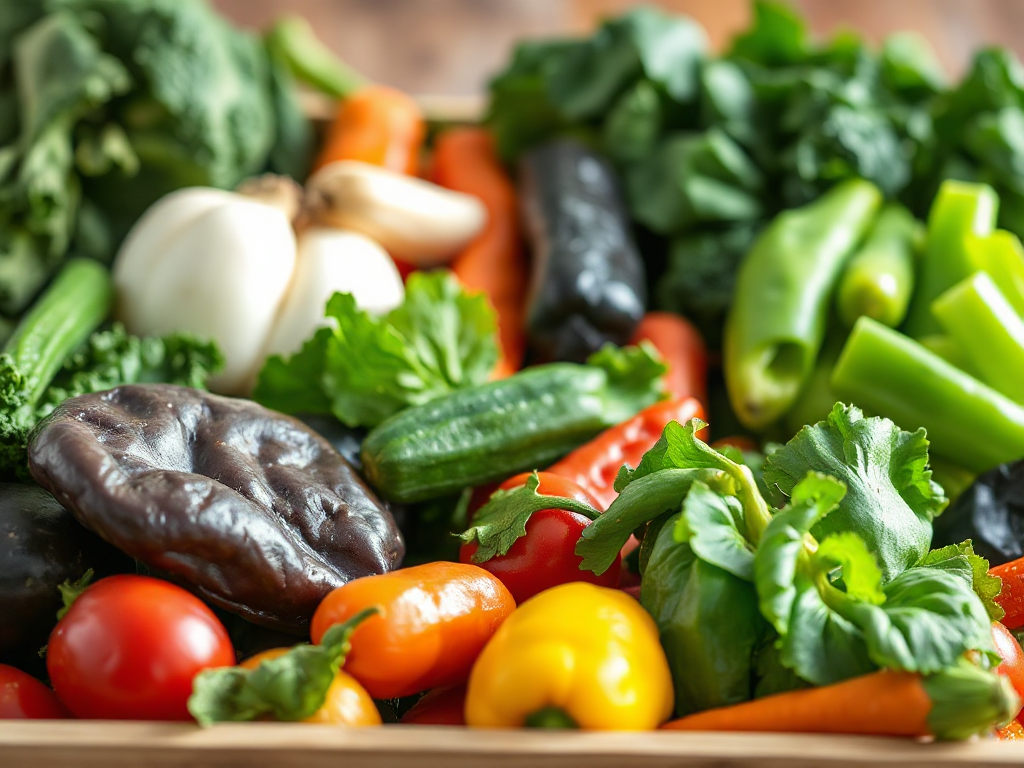
Organic vegetable choices for potassium controlled diets should be based on each vegetable’s potassium content, serving size, preparation method, and the rest of the day’s meals. Lower-potassium options often include cabbage, cauliflower, cucumber, lettuce, onions, peppers, and green beans, while potatoes, tomatoes, winter squash, spinach, and large servings of beans may require tighter portions or specific preparation. Leaching diced potatoes can reduce some potassium, but it does not make an unrestricted serving appropriate. Organic certification does not change a vegetable’s potassium level, so nutrition information and individualized limits matter more than the growing method. Anyone following a prescribed potassium restriction should confirm portions with a renal dietitian or clinician.
How Potassium Limits Change Vegetable Selection
Potassium-controlled eating is a portion-and-pattern decision, not a simple list of forbidden vegetables. The amount in a serving, the number of servings eaten across a day, cooking methods, and other potassium sources such as fruit, dairy, legumes, and salt substitutes all influence the total. A person with a mild restriction may be able to include foods that someone with a stricter prescription needs to limit. Medical advice should determine the target rather than a generic internet chart.
Organic status does not reliably predict potassium content. An organic tomato and a conventionally grown tomato may differ in farming practices, but the label is not a potassium-control tool. Variety, maturity, water content, portion size, and whether the food is fresh, canned, dried, or concentrated are more useful selection factors. A fresh vegetable may look like the obvious choice, yet a concentrated tomato product or a large serving of cooked greens can deliver much more potassium per practical portion.
Keep a serving in context. A small amount of a higher-potassium vegetable may fit a meal plan, while several low-potassium choices can still contribute a meaningful total if eaten repeatedly throughout the day. The useful question is not simply “Is this vegetable healthy?” but “How much potassium does my planned portion contribute, and what else will I eat today?” The organic vegetable choices for potassium controlled diets that work best are the ones that fit both the nutrient limit and the person’s usual meals.
A common mistake is treating “low potassium” as a permanent property of a food. Cooking removes water and can make a portion denser; canned foods may contain added salt; packaged vegetables may include potassium-containing additives. Checking the ingredient panel for terms such as potassium chloride can matter, particularly in reduced-sodium products and salt substitutes.
Lower-Potassium Produce for Everyday Meals
Vegetables commonly used in potassium-controlled meal plans include cabbage, cauliflower, cucumber, lettuce, onions, bell peppers, radishes, and green beans, although the permitted portion still depends on the individual prescription. These foods can provide texture and flavor without making every meal depend on potatoes, tomatoes, or large servings of leafy greens. Their practical value comes from variety: cabbage can form a slaw, cauliflower can replace part of a starch, and peppers and onions can season a grain or protein dish.
Preparation changes the meal more than the organic label does. Raw cucumber or lettuce may be easy to portion for a salad, but a salad can become less suitable when it includes tomato, avocado, beans, dried fruit, and a potassium-containing salt substitute. A cabbage-and-pepper salad with a vinegar dressing may be easier to manage than a mixed salad assembled without measuring ingredients. Portion awareness prevents a lower-potassium base from being overwhelmed by toppings.
Green beans illustrate why food tables and serving sizes must be read carefully. A modest serving may fit a plan, while a large bowl eaten as the main vegetable can provide considerably more potassium. Frozen, fresh, and canned versions may differ in sodium, preparation, and serving weight. If canned vegetables are used, draining and rinsing may reduce some sodium, but it should not be assumed to remove potassium or additives completely.
For an everyday plate, choose one measured vegetable serving, then add flavor with herbs, garlic, vinegar, lemon, pepper, or a small amount of oil rather than potassium-based salt substitutes. Compare a plain frozen vegetable with a seasoned microwave pouch: the latter may contain sauces or mineral additives that change the nutrient profile. These details make vegetable selection more dependable than relying on a broad “organic” or “natural” claim.
Higher-Potassium Vegetables, Portions, and Preparation
Potatoes, sweet potatoes, tomatoes, winter squash, spinach, beet greens, and many beans are often treated as higher-potassium choices in meal planning. They are not automatically off-limits, but they may require smaller portions, less frequent use, or a preparation method discussed with a renal dietitian. Removing a food without replacing its culinary role can make meals unnecessarily restrictive and may lead to reliance on processed foods.
Leaching is a preparation technique sometimes used for potatoes and other selected vegetables. The food is peeled when appropriate, cut into small pieces, soaked in plenty of water, drained, and then cooked in fresh water. This can move some potassium into the water, especially when the food is cut finely and boiled, but the reduction is variable. Leached potatoes should not be considered potassium-free, and roasting, baking, or frying alone does not provide the same mechanism because the potassium remains in the food.
Consider a dinner built around a baked potato. Swapping it for a measured serving of rice may simplify potassium control, but if the potato is preferred, a clinician-approved leaching method and portion may allow it to remain occasionally. The tradeoff is culinary quality: leached potatoes can lose flavor and texture, and the process takes more time. Similar caution applies to leafy greens; a small cooked serving is far more concentrated than a large bowl of raw leaves because cooking reduces volume.
Tomato products deserve special attention because sauce, paste, juice, and canned tomatoes concentrate ingredients into forms that are easy to consume quickly. A tablespoon of sauce may not equal a cup of soup, and a recipe serving can contain more than the cook expects. Read the full recipe, divide it into realistic portions, and ask whether a lower-potassium alternative such as roasted red pepper, cabbage, or a measured amount of fresh pepper would preserve the dish’s flavor. Never use soaking or boiling as permission to ignore an individualized limit.
A Practical Organic Produce Shopping Plan
Shopping works best when the vegetable decision is made before the cart is full. Begin with the potassium limit supplied by the healthcare team, then identify two or three vegetables for the week that match the planned portions. Add one higher-potassium favorite only if its amount and preparation are already understood. This approach is more realistic than trying to eliminate every food that appears on a high-potassium list.
Use the following compact check before buying or cooking:
- Check the serving size in the nutrition reference or meal plan, not just the food name.
- Distinguish fresh vegetables from concentrated products such as paste, juice, soup, and sauce.
- Inspect packaged foods for potassium chloride and other potassium-containing additives.
- Account for the entire meal, including legumes, dairy-based sauces, salt substitutes, and fruit.
- Measure the cooked portion when cooking changes the vegetable’s volume or density.
Farmers market produce can fit well, but informal descriptions such as “heirloom,” “local,” or “chemical-free” do not provide potassium data. Ask about variety when it affects recipe planning, then use a reliable nutrient reference for the actual food and portion. Organic produce may be chosen for personal, environmental, or farming preferences; those reasons are separate from potassium management.
Signs that a plan is working include meals that can be repeated without guesswork, consistent portion sizes, and fewer surprises from packaged ingredients. Signs that it needs adjustment include frequent reliance on vague food lists, difficulty estimating restaurant servings, or laboratory results that do not match the prescribed plan. Potassium levels can also be affected by kidney function, medicines, fluid status, and other medical conditions, so a concerning result calls for clinical follow-up rather than self-directed restriction.
Use organic produce planning as a flexible framework: select a measured base, verify preparation, and reserve more concentrated vegetables for portions that have been specifically approved. A renal dietitian can adapt the choices to cultural foods, budget, cooking time, and the person’s laboratory results.
Frequently Asked Questions
Does organic certification make vegetables lower in potassium?
No. Organic certification describes production standards, not a guaranteed potassium level. Variety, portion, maturity, and processing are more relevant to potassium intake.
Which organic vegetables are often easier to fit into a potassium-controlled plan?
Cabbage, cauliflower, cucumber, lettuce, onions, peppers, radishes, and measured servings of green beans are commonly considered workable options, but personal limits still apply.
Can soaking potatoes remove enough potassium to make them unrestricted?
No. Cutting, soaking, and boiling may reduce some potassium, but the amount varies and the finished portion still needs to fit the prescribed plan.
Are canned vegetables acceptable on a potassium-controlled diet?
They may be, depending on the vegetable, portion, sodium content, and additives. Draining and rinsing can address some sodium, but it should not be treated as complete potassium removal.
Should potassium-based salt substitutes be avoided?
Ask the healthcare team before using them. Products containing potassium chloride can add a substantial, easily overlooked source of potassium.
Conclusion
Choosing organic vegetables for a potassium-controlled diet is chiefly a matter of verified portions, preparation, and total-day planning. Use lower-potassium choices such as cabbage, cauliflower, cucumber, peppers, lettuce, and onions to build variety, while treating potatoes, tomatoes, winter squash, leafy greens, and beans as foods that may need tighter limits or approved preparation. Organic labeling does not replace nutrient information, and leaching does not make a high-potassium vegetable unlimited. Plan meals around the serving size your clinician or renal dietitian has prescribed, check packaged ingredients for potassium additives, and record the forms you actually eat. That method preserves more food variety while reducing the guesswork that can undermine potassium control.