Organic Produce Budgeting With Seasonal Substitutions: A Month-by-Month Shopping Plan
If the plan includes organic greens, use them in a salad or sauté early in the week, then move any remaining leaves into soup or a cooked grain dish.
If the plan includes organic greens, use them in a salad or sauté early in the week, then move any remaining leaves into soup or a cooked grain dish.
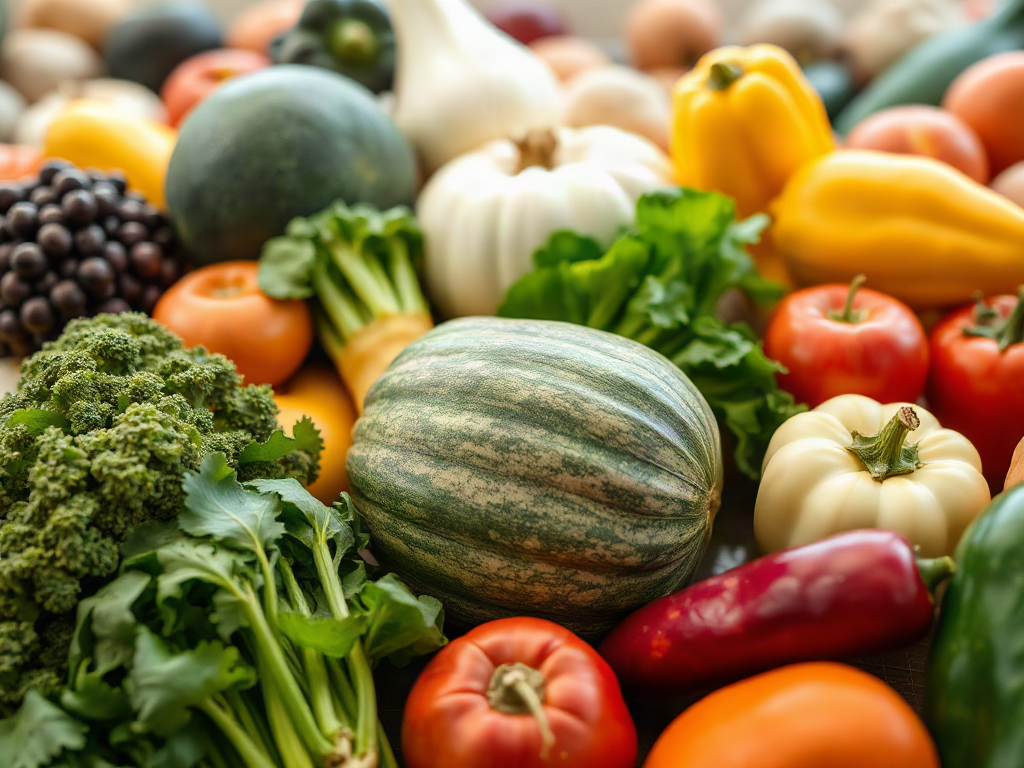
Choosing organic produce by edible weight per dollar means comparing the price of the usable portion—not the package price—while accounting for peels, cores, stems, cooking loss, and spoilage. Weigh or estimate the edible yield, divide the organic price by that usable amount, and compare similar foods in the same store and season.
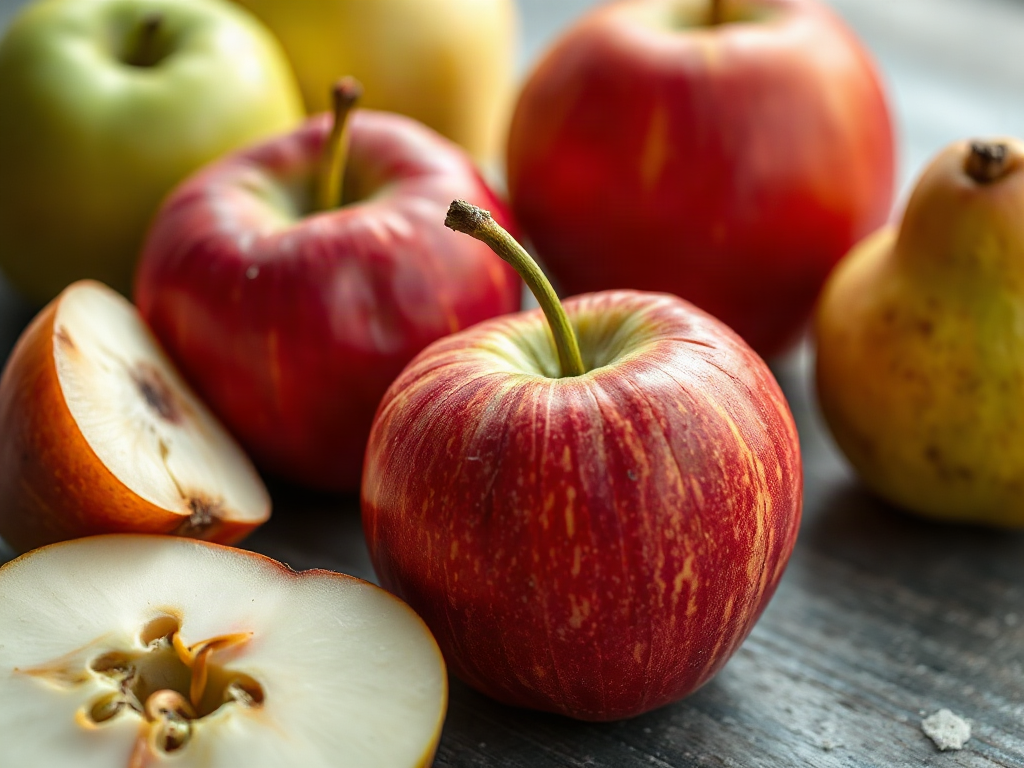
Fruit cores and rinds have safe culinary uses when the specific part is edible, the fruit is thoroughly washed, and tough or irritating portions are removed before cooking. Apple and pear cores can flavor stock or syrup after the seeds and woody stem ends are discarded, while citrus rinds work…
Organic produce scraps suitable for stock making include clean onion ends and skins, carrot peels, celery leaves, herb stems, mushroom stems, corn cobs, and the trimmings from many leafy vegetables. Rinse scraps first, remove soil, mold, bruised sections, waxy coatings, and anything strongly bitter, then freeze them until you have enough for a batch.
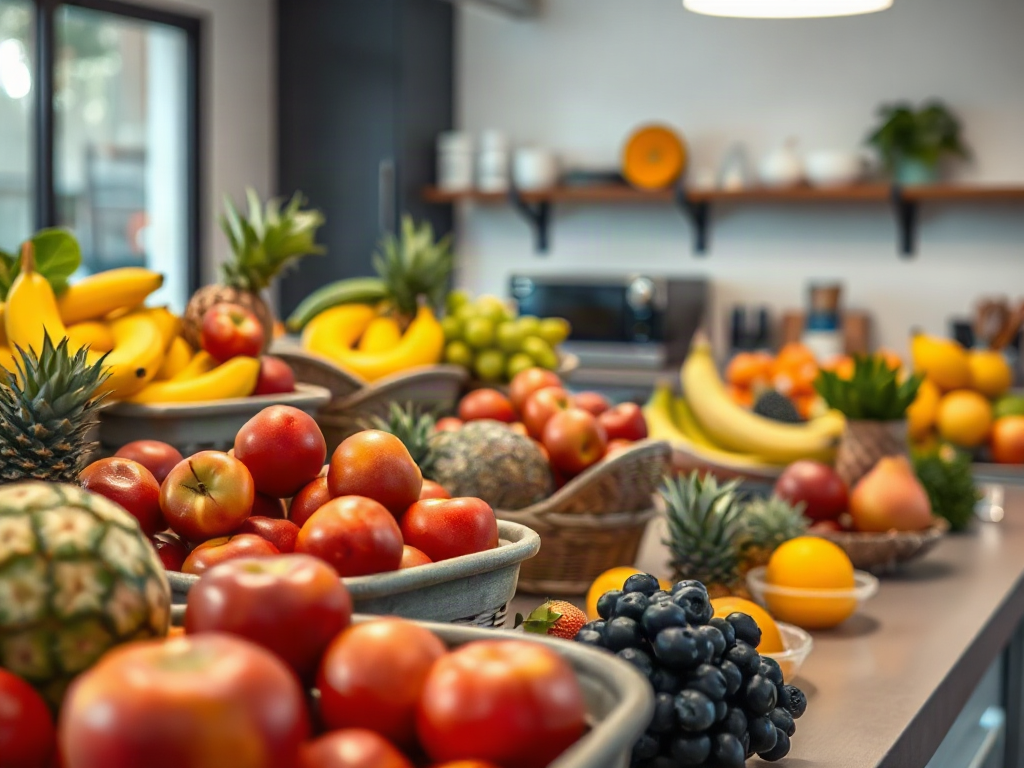
Explore organic fruit preparation for office kitchens through designing practical fruit station, considering the conditions that change the outcome.
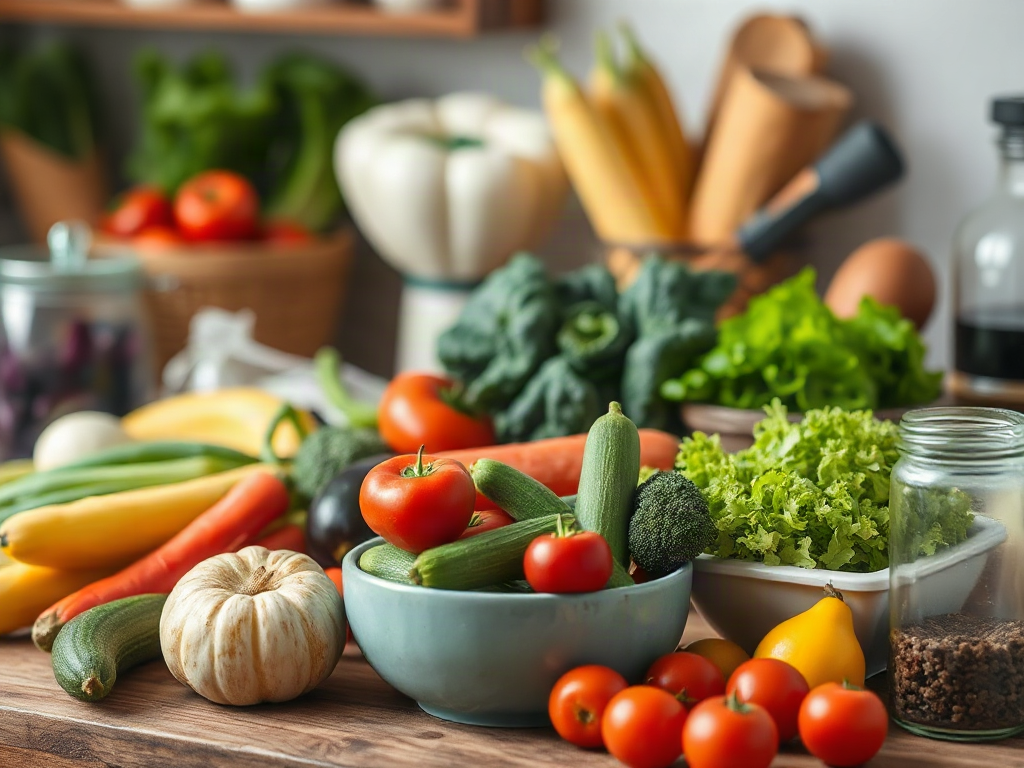
Explore organic produce meal prep with no knife skills through no-knife produce setup, including practical limits and conditions that change the outcome.
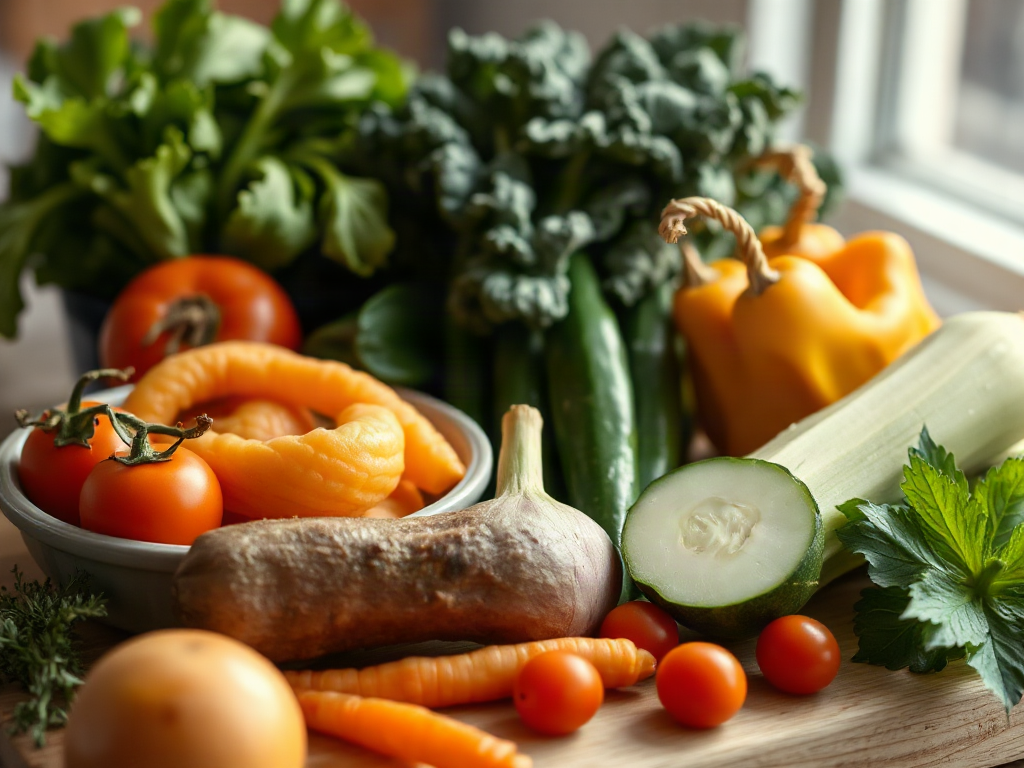
Raw versus cooked organic vegetables for absorption depends on the nutrient and the cooking method, not on a universal winner. Gentle heating can soften plant tissues and make carotenoids in foods such as carrots and tomatoes easier to access, while raw preparation may preserve heat-sensitive vitamin C in peppers, broccoli, and leafy greens.
Explore organic vegetable roasting without excessive oil through what creates browning with less, considering the conditions that change the outcome.
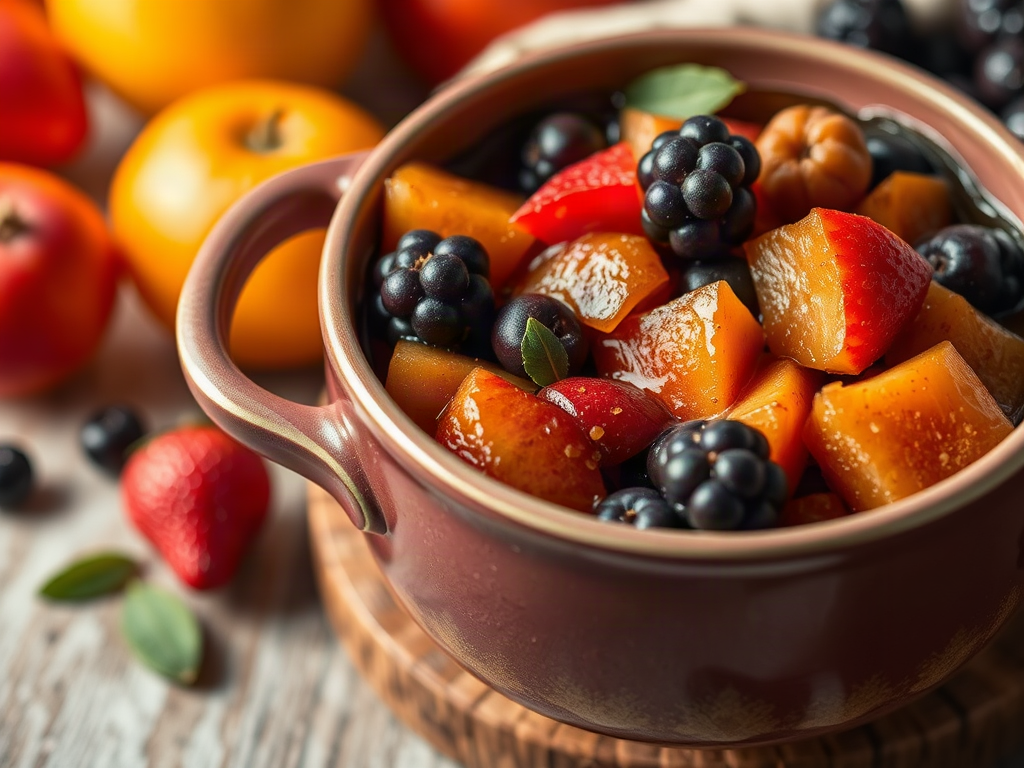
Stewing fruit changes nutrient concentration mainly by softening cell walls, moving water-soluble compounds into the cooking liquid, and evaporating some water. Vitamin C and certain B vitamins are more vulnerable to prolonged heat, while minerals, fiber, and many pigments remain in the fruit or liquid.
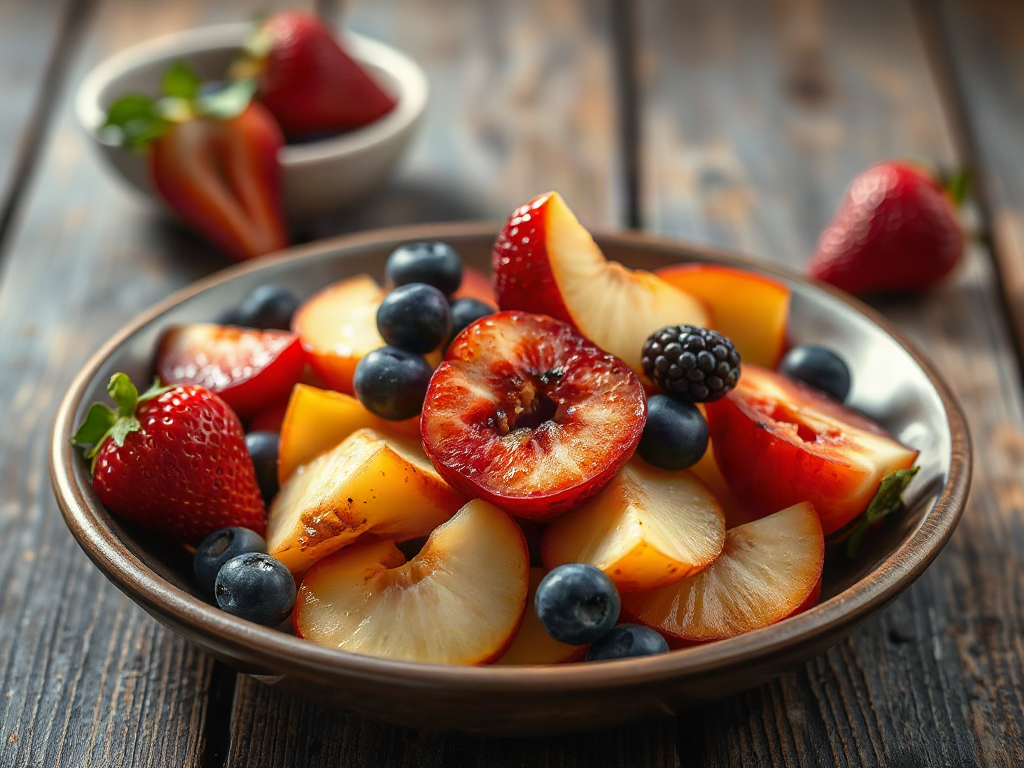
Organic fruit cooking methods that preserve texture rely on gentle heat, short cooking times, and careful handling before and after cooking. Poaching, steaming, quick sautéing, and low-temperature baking generally retain more shape than prolonged boiling because fruit cells are less exposed to intense heat and excess water.